FAU study finds larger movements may aid learning of complex visual patterns
A Florida Atlantic University study found that larger arm movements helped participants learn visual categories that depend on combining features, but not categories governed by explicit rules.
Key Takeaways
- •Larger arm movements improved learning for similarity-based visual categories in the study.
- •The researchers found no meaningful movement benefit for categories learned through explicit rules.
- •The results came from controlled virtual-reality tasks, and real-world training effects remain untested.
Larger arm movements helped participants learn complex visual patterns more accurately in a Florida Atlantic University study, with the benefit concentrated in tasks that required combining several features. The university announced the findings on Oct. 23.
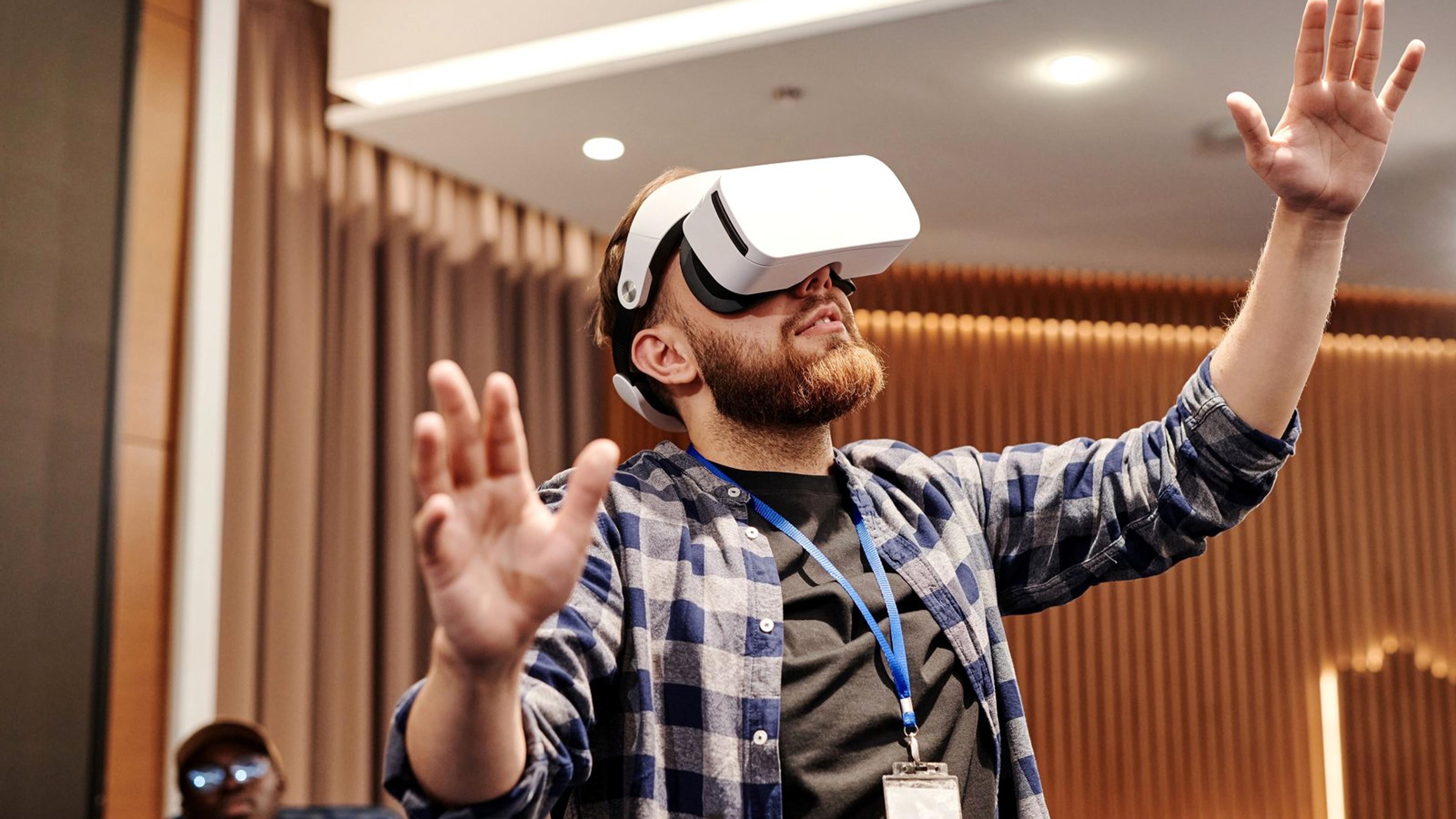
The researchers compared simple button presses with larger actions in an immersive virtual-reality experiment. Participants learned to identify visual patterns by either pressing a button or making broader movements, including swinging at a virtual target or punching a response box. The larger actions did not interact directly with the images, according to FAU.
The difference appeared in similarity-based categories, where learners had to integrate several features rather than follow one stated rule. Participants using larger movements learned those patterns more effectively and reached greater accuracy than participants using button presses. The same movement approach did not produce a meaningful advantage on explicit rule-based categories, including when that task was made more complex.
FAU said the team tested whether the result could be explained by other factors. Researchers controlled how long participants viewed each image, accounted for differences in response speed and increased the complexity of the rule-based task. The selective benefit for similarity-based learning remained. Participants also retained the advantage after switching from larger movements to button presses, the university reported.
The findings were published in Science Advances and were produced with Brown University collaborators, FAU said. Luke Rosedahl, an assistant professor of biomedical engineering at FAU, was the corresponding author. Co-authors included Brown researchers Yuka Sasaki and Takeo Watanabe.
FAU said the result could inform future work on training for tasks such as medical diagnosis and aviation, where people must combine information and recognize patterns. Those applications were not tested in the study. Further research is needed to determine whether the lab findings translate to practical training, the university said.
The research was supported by grants from the National Institutes of Health and the National Science Foundation.