IBCCES outlines five accreditation paths for South Florida organizations
The Cognitive Care Zone program describes training and accreditation options for businesses, schools and service providers across Miami-Dade, Broward and Palm Beach.
Key Takeaways
- •IBCCES describes five training and accreditation pathways for different sectors.
- •The initiative spans Miami-Dade, Broward and Palm Beach counties.
- •Its page lists participating locations and an app for finding stated accommodations.
The South Florida Cognitive Care Zone is an IBCCES initiative that brings together residents, organizations and industry leaders in Miami-Dade, Broward and Palm Beach counties. Its current program page describes training and accreditation pathways for employers, schools, health providers and visitor-facing businesses. The IBCCES program page also lists certified locations around the region.
The organizer describes the effort as a community-wide project to reduce barriers for people with cognitive differences and conditions. Its stated scope includes Alzheimer’s and dementia, autism and sensory sensitivities, Down syndrome, ADHD and dyslexia, mental health conditions, and traumatic brain injury and stroke. The page says a designated Cognitive Care Zone requires participation from residents, employers and education facilities, but it does not state a numerical threshold for what counts as a significant number.
IBCCES lists five accreditation paths. Cognitive Care Accreditation serves organizations such as healthcare providers, attractions, hospitality and community services. Certified Autism Center focuses on support for autistic and sensory-sensitive people. Other tracks cover Down syndrome inclusion, comprehensive student wellbeing and neurodiverse workplaces. The page describes each as a training or accreditation route; it does not claim that every business in the three-county region has completed one.
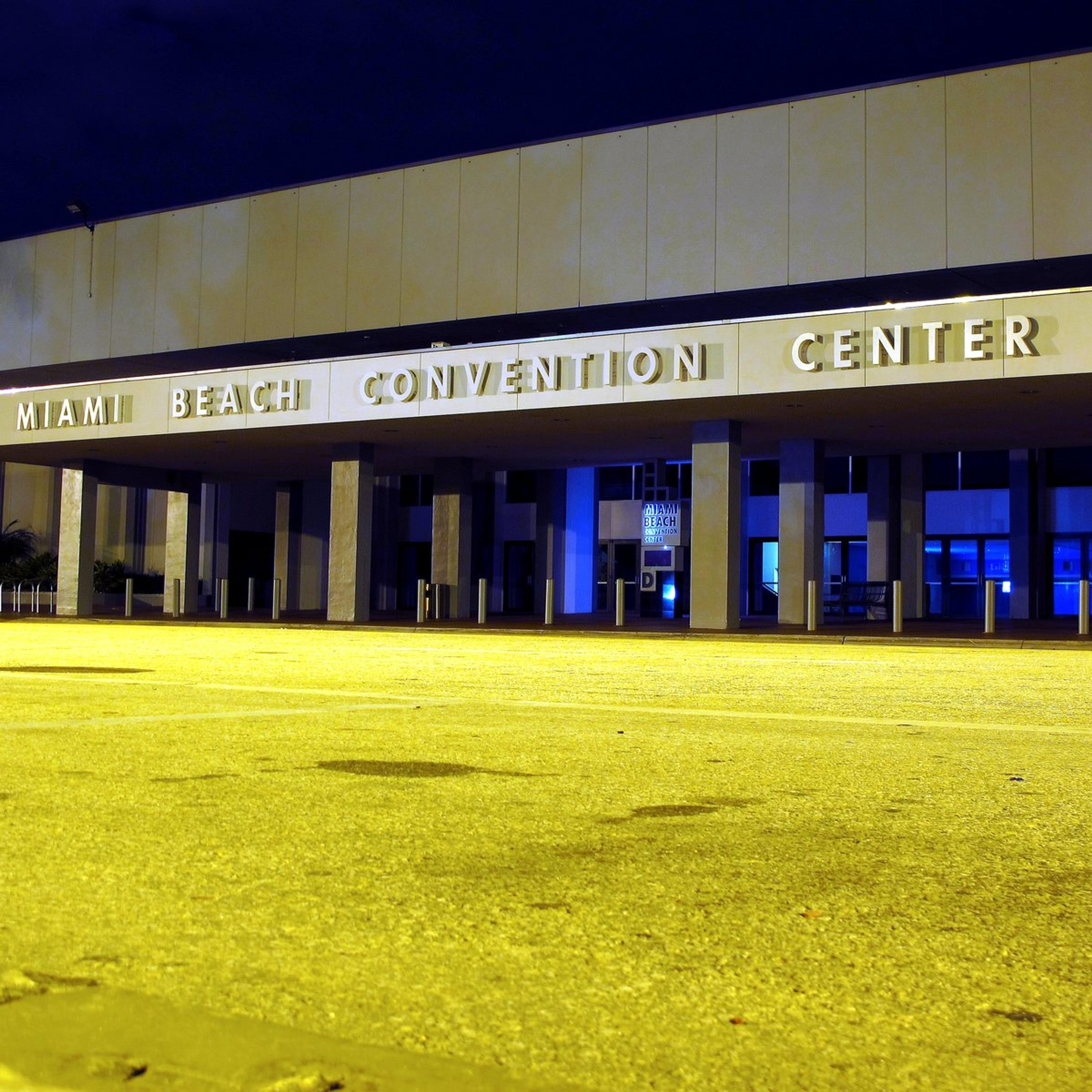
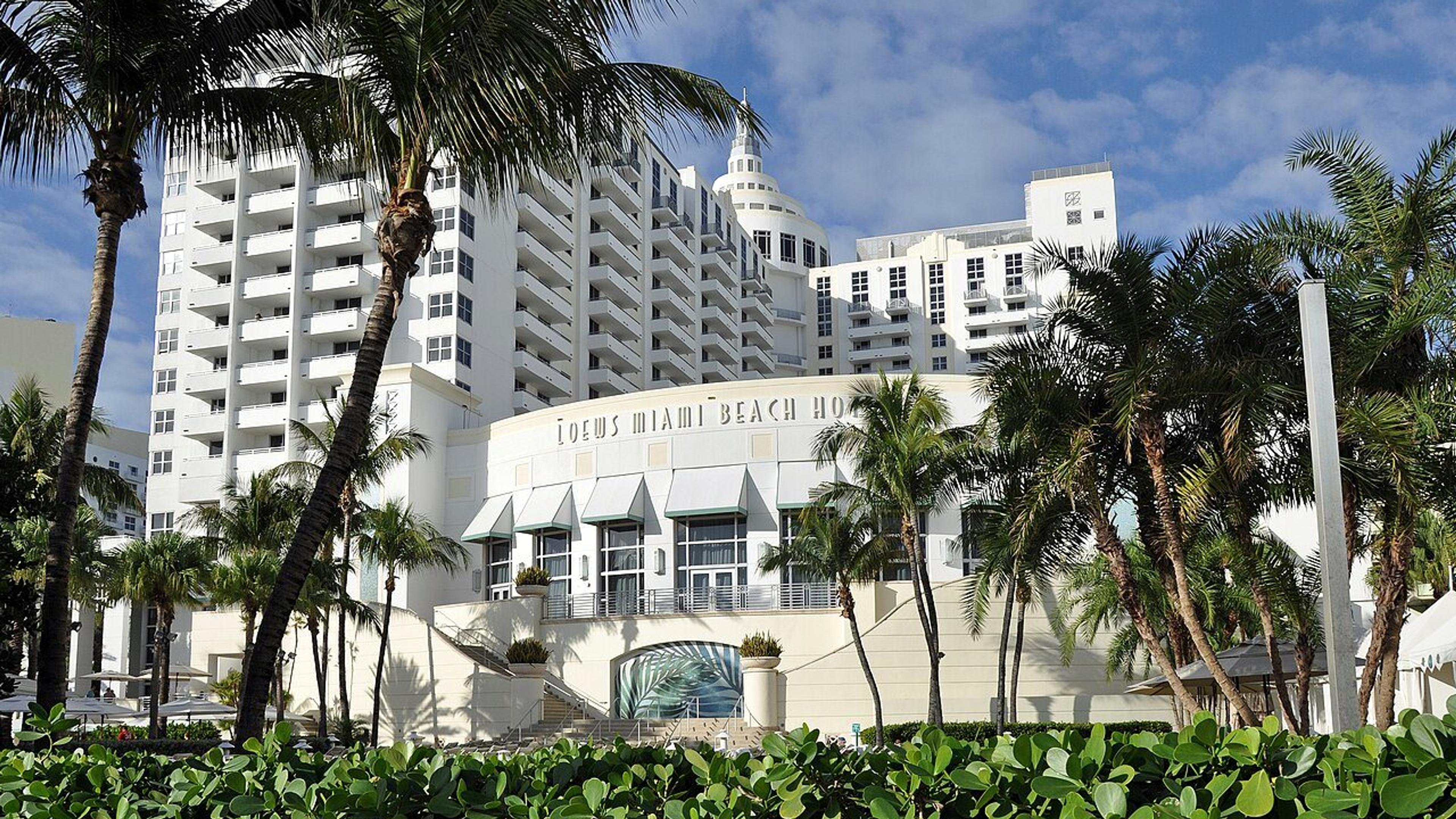
The program’s regional directory names organizations and locations including the Greater Miami Convention & Visitors Bureau, Miami-Dade County Parks, Carnival Cruise Line’s kids camp, Miami Children’s Museum, Miami Beach Convention Center, Wynwood Walls, Loews Miami Beach Hotel, Joe DiMaggio Children’s Hospital’s Miramar emergency department and the Village of Wellington. Those entries offer families and visitors a starting point for finding participating services, though readers should check the directory for a specific site and its available accommodations.
IBCCES also promotes an accessibility app that it says can show certified locations, sensory-friendly hours, sensory guides and dementia-aware staff. Users can filter for needs such as autism and sensory support, vision or hearing. The page says the app is available through the App Store and Google Play; its listings and details should be checked directly before a trip.
For South Florida employers, the page presents several possible ways to take part, from staff training to organization-level accreditation. The pathways differ by sector, so a hotel, school and healthcare provider would not necessarily follow the same program. IBCCES invites organizations to contact a Cognitive Care Zone specialist for information about certification. No regional participation total or measured local outcome is provided on the page.
The initiative’s practical focus is service readiness: helping public-facing staff understand a range of cognitive needs and making accommodations easier to find. Its five program tracks and location directory give residents a way to identify participating organizations, while employers can review which accreditation path fits their setting. The page describes the program’s aims and listed partners, not the results of any launch event or a countywide certification rate.
Photo: P. Hughes (Indies1). CC BY-SA 4.0. Tonal adjustments; homepage crop.