Fort Lauderdale’s luxury wave is reshaping downtown homes, offices and dining
Key Takeaways
- •The DDA’s September review put New York-backed downtown development at 4.6 million square feet.
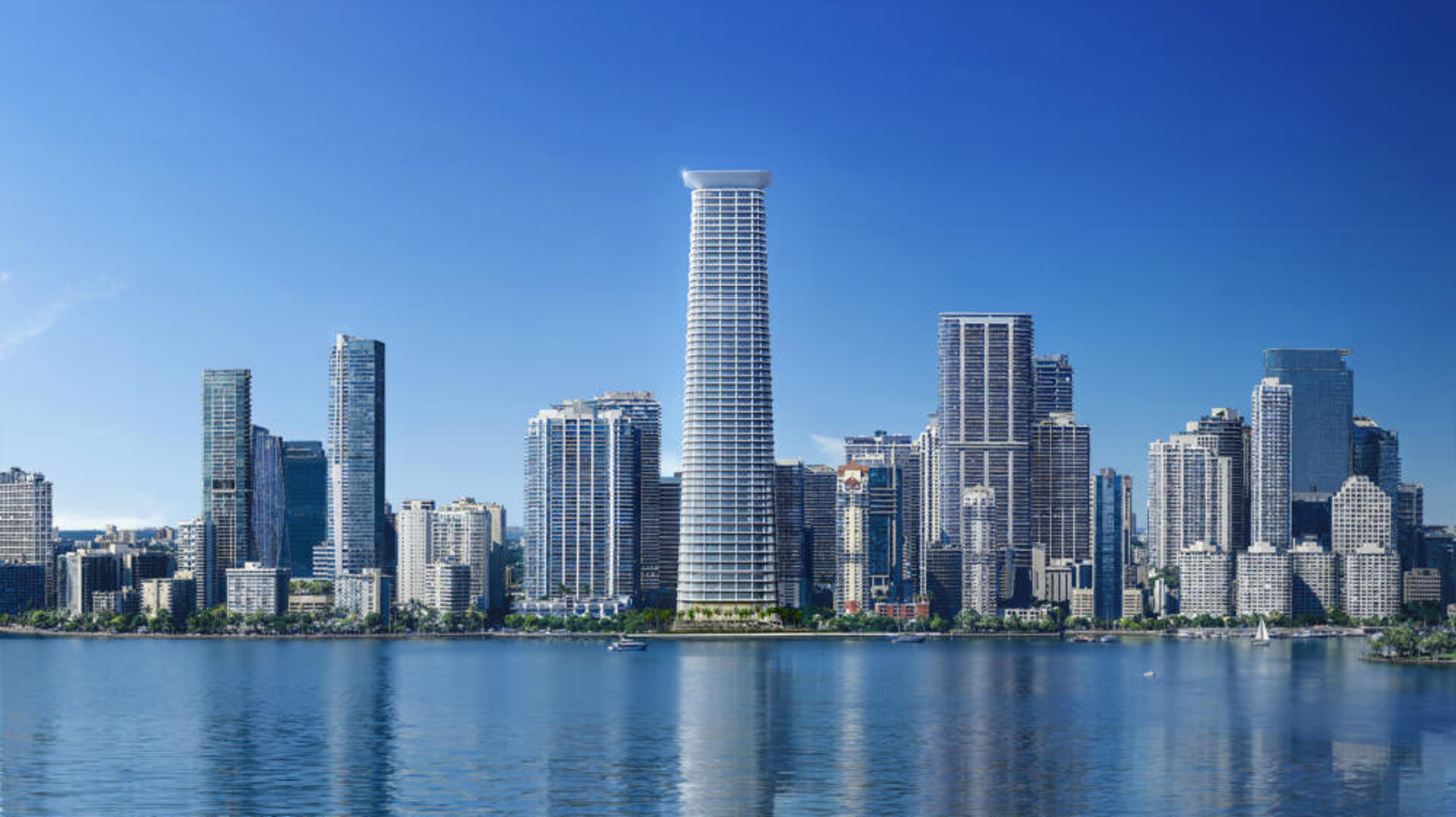
- •Andare’s official plans include 163 residences and more than 35,000 square feet of amenities.
- •Hines says T3 FAT Village’s first office tenants are scheduled to move in during 2027.
Fort Lauderdale’s latest wave of luxury development is bringing residences, workplaces and hospitality businesses into the same downtown growth story. An October 14 Axios report puts renewed attention on the city’s appeal to wealthy newcomers and developers from New York. The underlying projects show how that investment is spreading across Las Olas and Flagler Village.
For local businesses, the useful question is how new homes, offices and shared amenities change the customer base around them. A residential tower creates one set of needs; a mixed-use district adds workers, restaurant patrons and visitors throughout the day. Fort Lauderdale has examples of both taking shape.
A larger role for outside developers
In a September 24 investment review, the Fort Lauderdale Downtown Development Authority said New York investors were behind 4.6 million square feet of downtown development, about 45% of the total. The authority cited a September Bloomberg feature as the basis for its overview.
That scale helps explain the attention the city is receiving. It represents a substantial development pipeline across several downtown neighborhoods, with outside firms participating alongside local developers. The next measure of that investment will be delivery, leasing and the services that open around the projects.
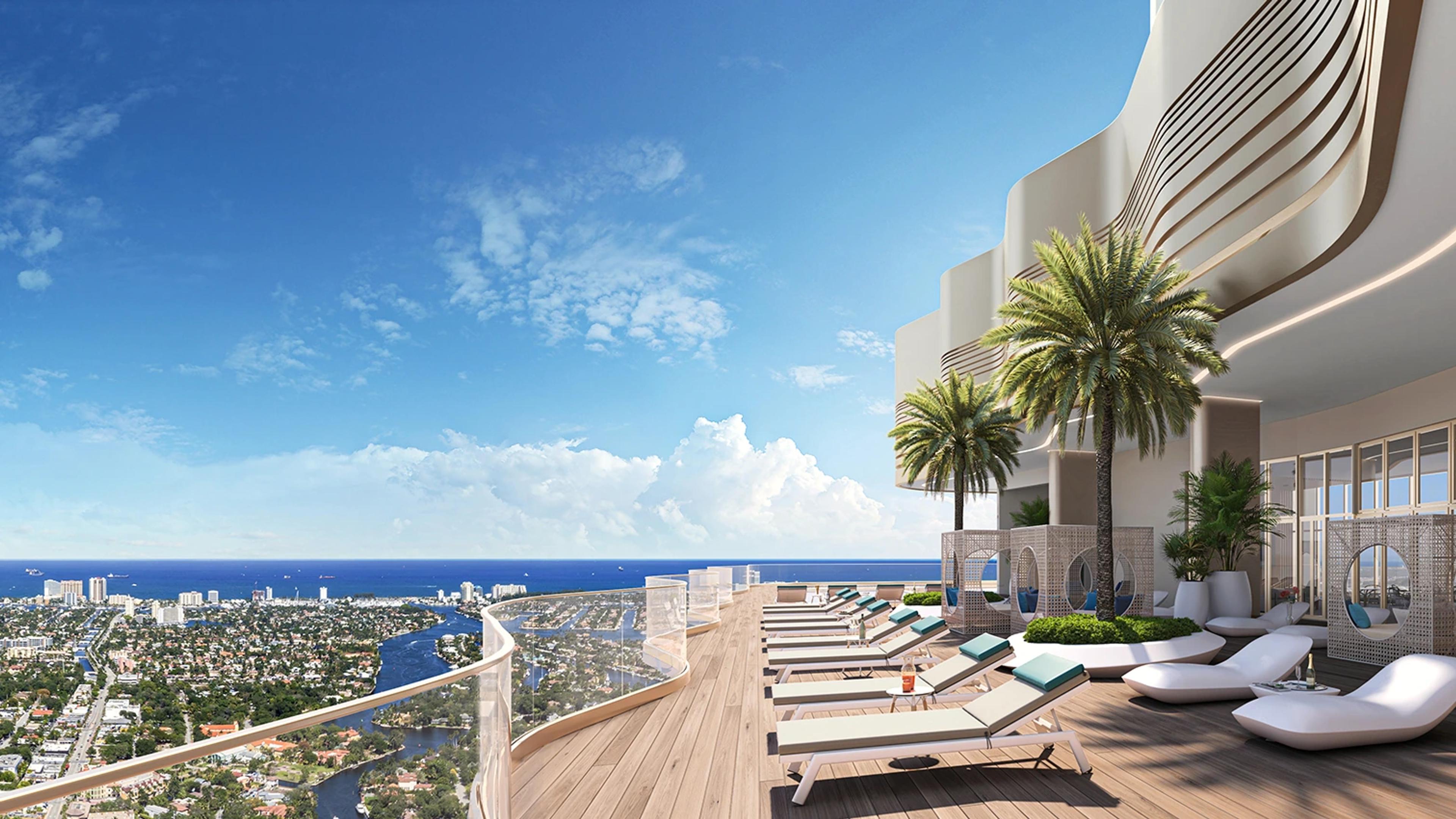
Andare Residences provides a concrete example on Las Olas. The project’s official website identifies 163 residences with two to four bedrooms, private elevator access and integrated smart-home technology. The development, designed by Pininfarina, is currently described as under construction.
Its amenity program lists more than 35,000 square feet across three levels. Planned facilities include pools, a spa, Pilates and yoga studios, a pickleball court, private dining and conference rooms. Those spaces show how developers are packaging residences with facilities for work, exercise and social life.
The design has implications beyond the condominium itself. Residents who can work and spend leisure time close to home may also use nearby restaurants, shops and professional services. For operators evaluating a downtown location, the mix of residential amenities and street-level businesses is part of understanding where customers will spend time.
The office component matters
Flagler Village adds a separate employment dimension. Hines and Urban Street Development announced September 15 that GXO Logistics and CBI Workplace Solutions signed the first office leases at T3 FAT Village. GXO plans a 35,000-square-foot regional office serving its Americas and Asia Pacific business.
CBI will relocate its existing Fort Lauderdale office from Las Olas Boulevard. Hines says the first office tenants are scheduled to move in during 2027, with retail, public spaces and further neighborhood amenities also coming online throughout that year. That timetable makes the employment story a planned addition to the district’s daily activity.
The office leases support a broader mixed-use strategy: bring workplaces close to residences, dining and public gathering areas. For nearby operators, the arrival of office tenants can introduce weekday demand alongside the residential and visitor economy. The timing of those arrivals matters when planning staffing, space and services.
A changing population and business mix
The DDA’s December 2025 migration review, based on Miami Realtors’ second-quarter 2025 estimates, reported that 55% of out-of-state movers came from New York City and surrounding suburbs. It also identified Los Angeles and San Diego as a growing source, accounting for 22% of out-of-state movers in the review. Those figures provide historical context for today’s development strategy.
The commercial response is visible along Las Olas. In its July 30 corridor update, the DDA described planned restaurant additions, rising pedestrian activity and proposed improvements to the walking experience. It reported more than five million annual visits and a 19% increase in foot traffic since 2021.
Taken together, the projects suggest that Fort Lauderdale’s growth is being organized around a fuller daily urban experience. Luxury homes are one component, supported by offices, dining, wellness facilities and public space. For businesses considering expansion, the milestones to watch are completed homes, tenant move-ins and actual venue openings, with T3’s first office arrivals scheduled for 2027.