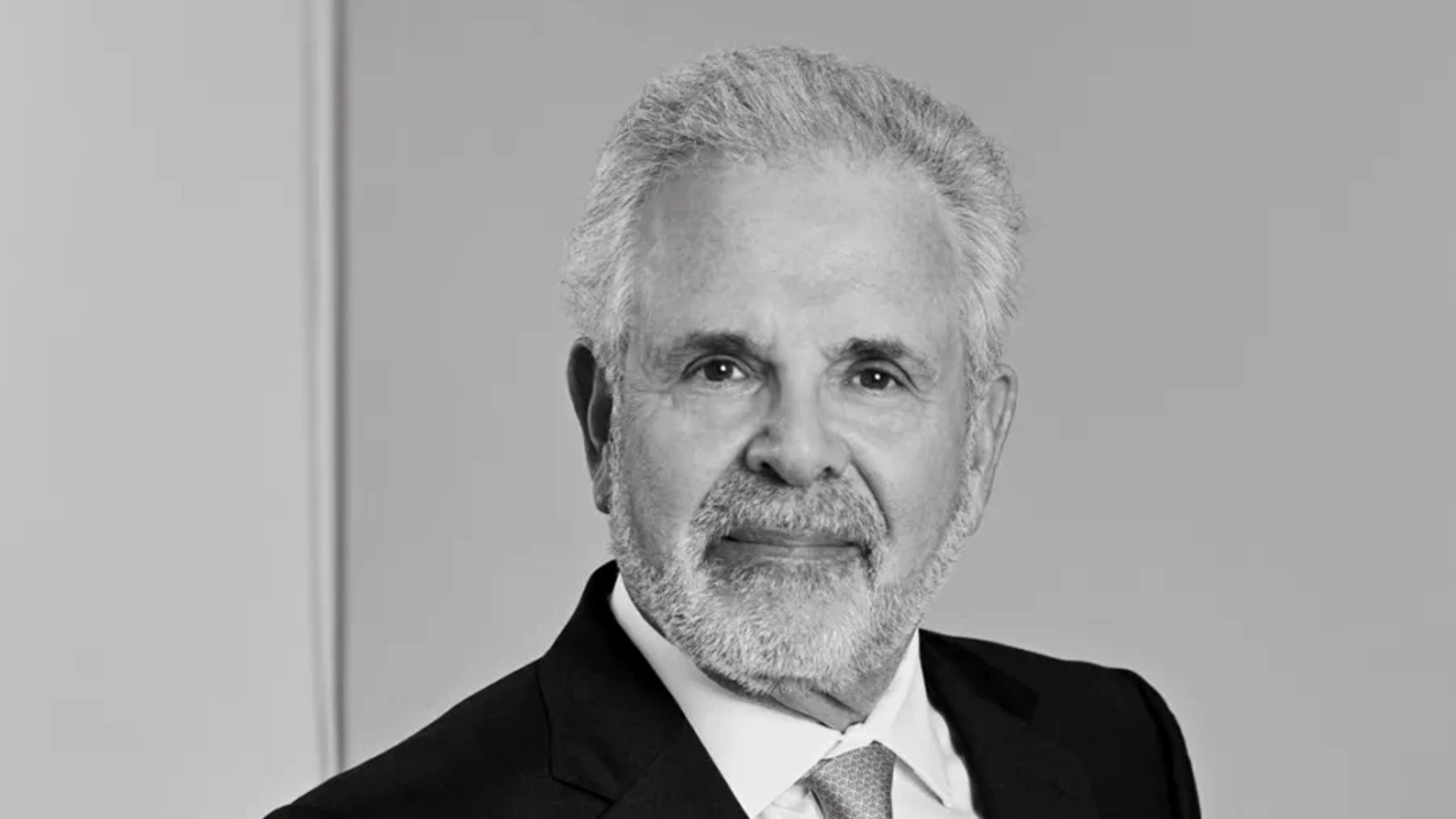
Russell Galbut withdraws three Live Local proposals in Miami Beach
Key Takeaways
- •Galbut says he is withdrawing applications for three Miami Beach sites.
- •The city continues to review and approve other Live Local developments.
- •The state framework ties expanded development capacity to long-term affordable rental housing.
Russell Galbut says he is withdrawing three Live Local Act development applications in Miami Beach, according to an October 14 report by Florida Politics. The decision covers proposed projects at 1575 Alton Road, 740 Alton Road and 880 71st Street.
The Crescent Heights co-founder communicated his decision in a Monday email to City Manager Eric Carpenter, the report said. He credited conversations with Miami-Dade Commissioner Vicki Lopez and Miami Beach Commissioner Alex Fernandez while reiterating his support for additional housing.
For the city’s development pipeline, the immediate consequence is a change in the route being pursued for those three properties. Withdrawal of the applications leaves their future redevelopment dependent on whatever plans the owners bring forward next.
What the city’s pipeline shows
Miami Beach maintains separate public lists of Live Local applications under review and those that have received approval. Its under-review page still includes application PB24-0712 for 1575 Alton Road, alongside proposals at 810 Alton Road, 42 Collins Avenue, 1501 Collins Avenue and other addresses.
The city’s approved-project list identifies developments at 1960 Normandy Drive, 663 Alton Road, 1826 Collins Avenue, 7410 Collins Avenue and 7401-7425 Harding Avenue. It does not list the three sites covered by Galbut’s announcement.
Those remaining applications and approvals show why the decision matters beyond a single developer: Miami Beach continues to process a broader set of projects using the state housing framework. Each site has its own application, review record and development conditions.
Why developers use Live Local
Under Florida’s municipal affordable-housing statute, qualifying developments on eligible land must reserve at least 40% of residential units as affordable rentals for at least 30 years. Mixed-use projects must devote at least 65% of total floor space to residential use.
The framework expands allowable development capacity. Its height provisions generally reference the highest permitted commercial or residential building within one mile, subject to statutory exceptions. Density and floor-area rules also provide a route beyond ordinary site limits.
Qualifying projects receive administrative approval rather than another vote by the municipal governing body, but applicable requirements such as setbacks and parking still matter. That combination makes the details of a site and its review consequential to whether a proposal can move ahead.
The statute also creates a forthcoming reporting milestone. Beginning November 1, 2026, municipalities must provide annual reports covering proposed or approved projects and related litigation from the previous fiscal year, including project size and affordable-unit information.
A developer with deep local ties
Galbut’s GFO Investments biography identifies him as Crescent Heights’ managing principal and co-founder and GFO’s founder. Raised in Miami Beach, he began condominium development in the city in 1976 and co-founded Crescent Heights in 1989.
GFO’s profile links his recent work to Five Park, 72 Park, Forma and Gale Miami Hotel & Residences. His involvement across several projects gives this decision relevance to investors and businesses following the region’s development pipeline.
Florida Politics reported that Galbut characterized the move as an effort to collaborate with the community while continuing to support housing investment. The next development to watch is whether revised proposals emerge for the three sites and which approval pathway they pursue.