Deerfield Beach officials weigh flood proposals after homes are damaged
After residents described repeated flood damage, Deerfield Beach officials discussed more pumps and a larger homeowner rebate. The ideas are not approved, and an engineering review outlines both the limits of existing drainage work and tradeoffs for a new pump station.
Key Takeaways
- •Officials discussed new pumps and other measures, but no approval was reported.
- •The city’s published rebate currently offers eligible homeowners up to $5,000 for approved flood barriers.
- •A city-commissioned review says recent drainage improvements help in routine rain but are limited in severe storms.
Deerfield Beach officials are weighing additional flood measures after residents described damaged homes at an Oct. 20 City Commission meeting. Proposals included more mobile pumps, a separate engineering study and deep-water injection wells, while the city’s own engineering review says existing drainage work can reduce routine ponding but cannot prevent every severe-rain flood.
NBC 6 reported that weekend flooding displaced families and that some parts of the city received more than 8 inches of rain. Residents told commissioners that the repeated damage has disrupted daily life. Those accounts describe impacts; they do not establish that the recently completed drainage system failed its design.
The proposals remain proposals. WSVN reported that Mayor Todd Drosky asked to put two additional mobile pumps on a future meeting agenda. Vice Mayor Michael Hudak asked the city attorney to consider increasing the flood rebate and mitigation amount from $5,000 to $10,000. The coverage did not report a vote approving either change or provide a date for the next decision.
The city’s current Flood Barrier Rebate Program offers eligible homeowners reimbursement of up to $5,000 for city-approved barriers at doors, garage openings, windows and other vulnerable openings, subject to program rules and available funding. That program addresses entry points at individual properties; it is different from neighborhood-scale drainage work.
A December 2025 peer-review memorandum commissioned by Deerfield Beach describes why the corridor is difficult to drain. The review says parts of the SE 8th Avenue area sit about 2 feet below surrounding portions of the drainage basin, so runoff can collect in low-lying public rights of way while higher areas drain first.
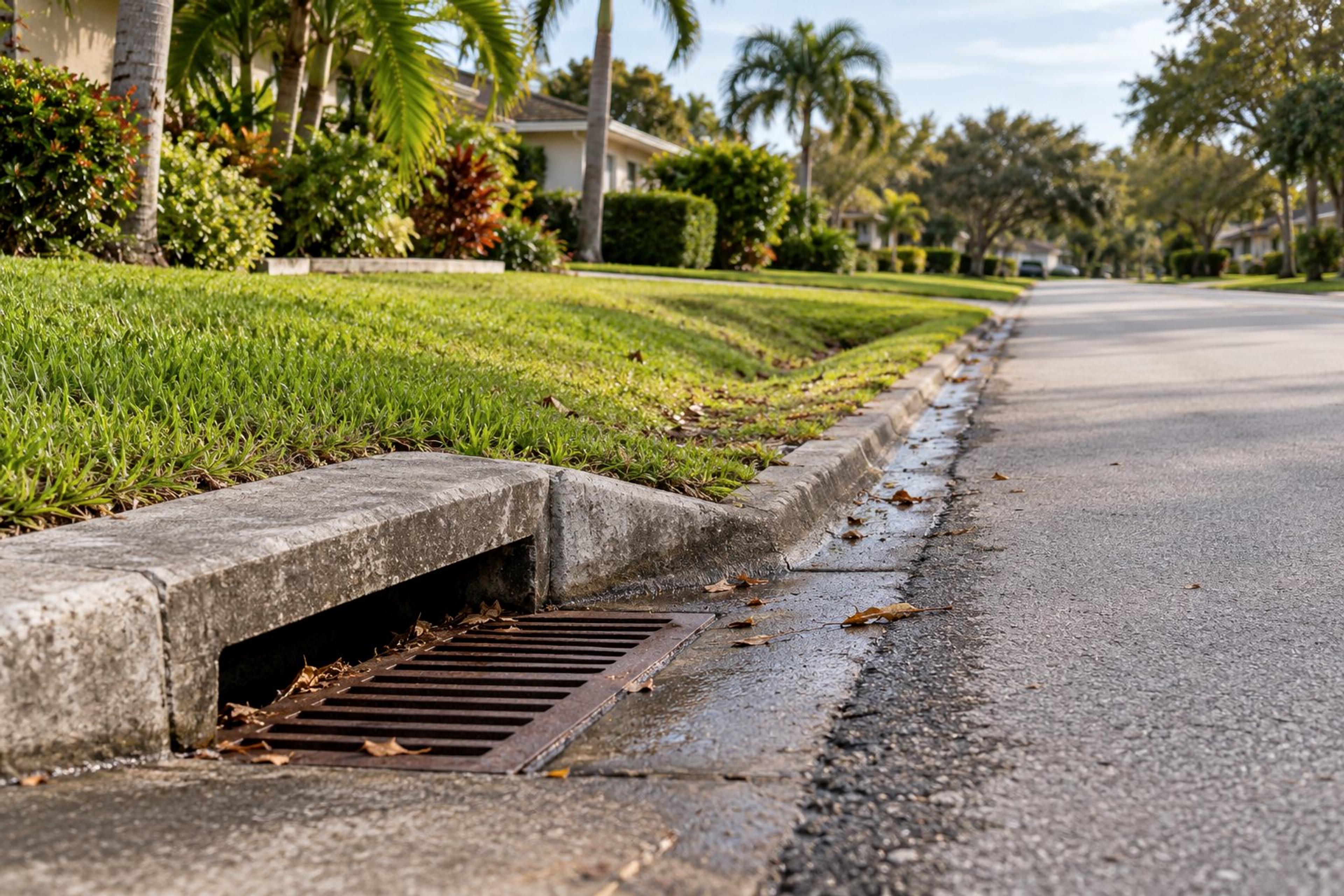
The review describes the installed improvements as added exfiltration trench and related drainage connections. It says the work should reduce peak water levels and flooding duration during routine rainfall, but was not expected to meet ordinary roadway service criteria during severe storms. The engineers did not identify evidence in the records they reviewed that the work had failed to perform according to its design expectations.
The memorandum’s discussion of an October 2025 storm notes 8.2 inches of rain measured by nearby gauges and a storm intensity comparable to a 25-year event. It says the installed improvements provided some relief during that event, while the intense rainfall and elevated tide contributed to flooding beyond what the system was designed to handle. That historical analysis is not a measurement of the October 2026 weekend.
A larger pump station could offer more relief, the engineers wrote, but it would bring higher construction and operating costs, limited space in the public right of way and regulatory restrictions on discharge rates. Those limits could constrain how much water a new station can move. The memorandum recommends further basin-wide analysis before estimating the benefit of that option.
For residents, the immediate distinction is between help available now and measures still under discussion. The city’s published rebate page describes the current application and eligible flood barriers. The meeting coverage does not yet establish a funding decision, pump purchase, construction schedule or approved increase to the rebate.
The next verifiable step is an agenda or formal city action on the ideas raised at the meeting. Until then, the city’s engineering review provides context for both the limits of the existing system and the tradeoffs officials would need to evaluate before promising a permanent fix.