NANOG 98 puts Miami’s Latin America internet gateway role on opening-day agenda
Key Takeaways
- •NANOG 98 runs Oct. 19-21 at the InterContinental Miami, with Global Connectivity as its spotlight.
- •The formal opening is scheduled for 10 a.m. Monday, followed by a TeleGeography keynote from Paul Brodsky.
- •The published agenda connects Miami’s regional network role with subsea cables, routing security, reliability and AI data-center demands.
Miami’s position as a connection point between North America and Latin America is the organizing question for NANOG 98, which opens Monday at the InterContinental Miami. The North American Network Operators’ Group has put “Global Connectivity” at the center of a three-day program running Oct. 19-21, bringing network operators and infrastructure professionals to a city whose regional links are central to the event’s subject.
The schedule places a formal opening from 10 to 10:15 a.m. Eastern on Monday, followed by a 10:15 a.m. keynote from Paul Brodsky of TeleGeography. His listed subject is international bandwidth, subsea cable investment, route diversity and Miami’s role as a hub serving Latin America. Those are scheduled topics, not findings from the meeting, and the agenda may evolve as sessions take place.
The program gives local businesses a practical reason to watch the discussion. Financial services, cloud platforms, media companies and other organizations rely on networks that move data across borders. The NANOG agenda also lists sessions on routing security, network reliability and the changing demands of AI data-center networking. The schedule does not announce a new Miami investment or quantify local capacity.
The distinction matters for a city whose digital-infrastructure reputation often gets reduced to a single statistic. NANOG’s own organizer account describes the region’s proximity to the NAP of the Americas and its international connectivity as reasons for choosing Miami.
Instead, the conference offers a view of the operational questions behind connectivity: how networks maintain alternate routes, how operators manage reliability and security, and what new computing loads could require from the infrastructure beneath them. A session agenda can show what specialists intend to examine; it cannot establish that a proposed route, investment or performance result has been delivered.
That makes the first keynote particularly relevant to South Florida’s business community. International bandwidth and cable routes shape the paths available to traffic between markets. Resilience can matter to companies that need services to remain available when a route or provider has trouble. The conference’s focus on these subjects signals professional attention, while the economic effect on local firms remains a separate question.
Monday’s agenda also sets up a second keynote by John Evans on Tuesday, as the meeting continues through Wednesday. The current event listing identifies the InterContinental Miami as the venue and confirms the Oct. 19-21 dates. NANOG lists registration hours for Monday, but its public materials contain conflicting timing for rates; readers should check the organizer’s live information for current access details.
For Miami, the immediate value is a chance to compare its role in regional data exchange with the needs network operators expect next. The event may surface useful perspectives on cable diversity, secure routing and AI-related demand, but those discussions should not be mistaken for a completed project or a guaranteed business benefit.
Readers can follow the organizer’s posted program as it unfolds. Any account of attendance, announcements or decisions would require confirmation after the relevant sessions. At opening, the verified story is the agenda itself: an international network meeting in Miami putting regional connectivity, resilience and future network loads on the same schedule.
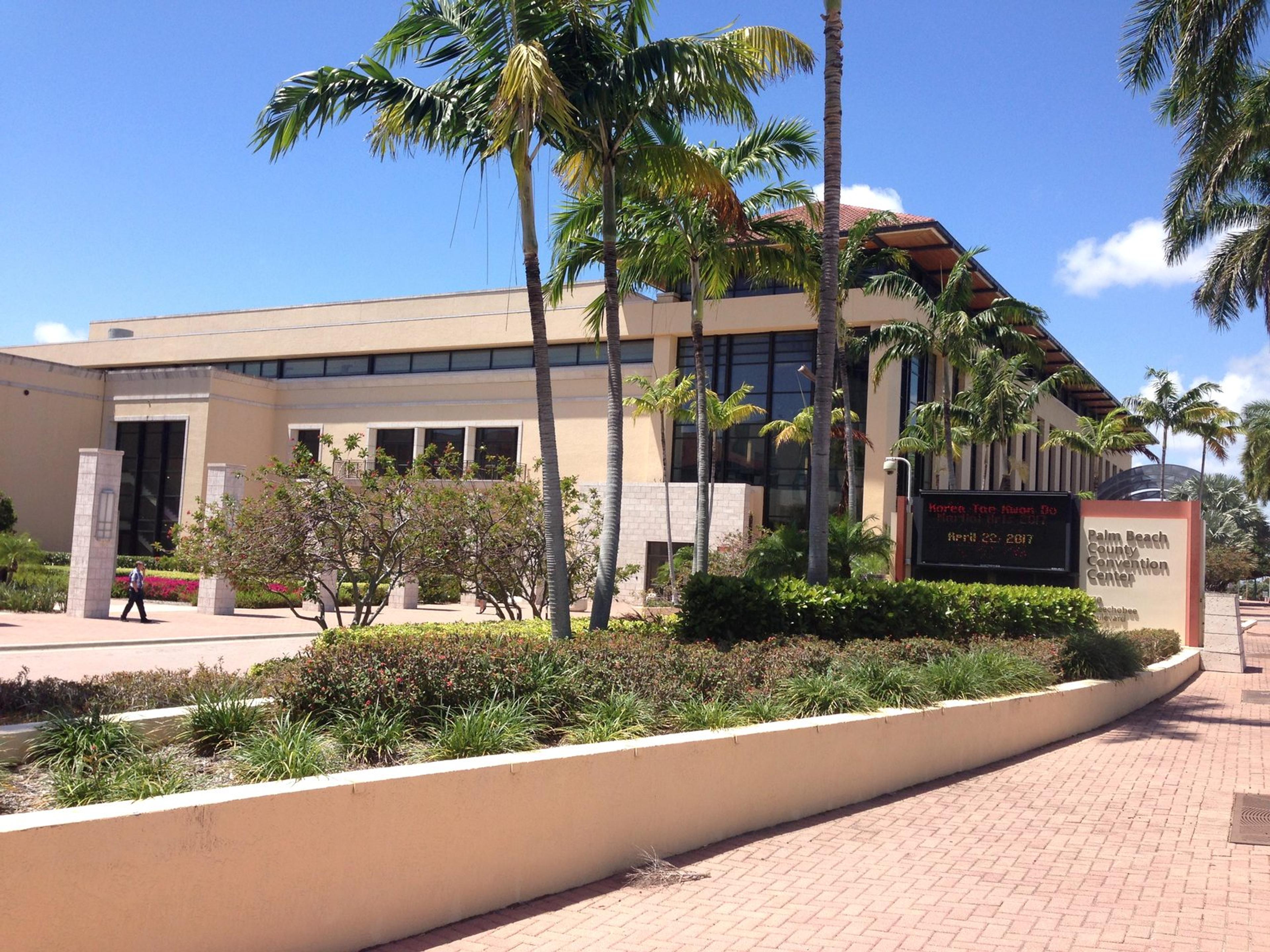
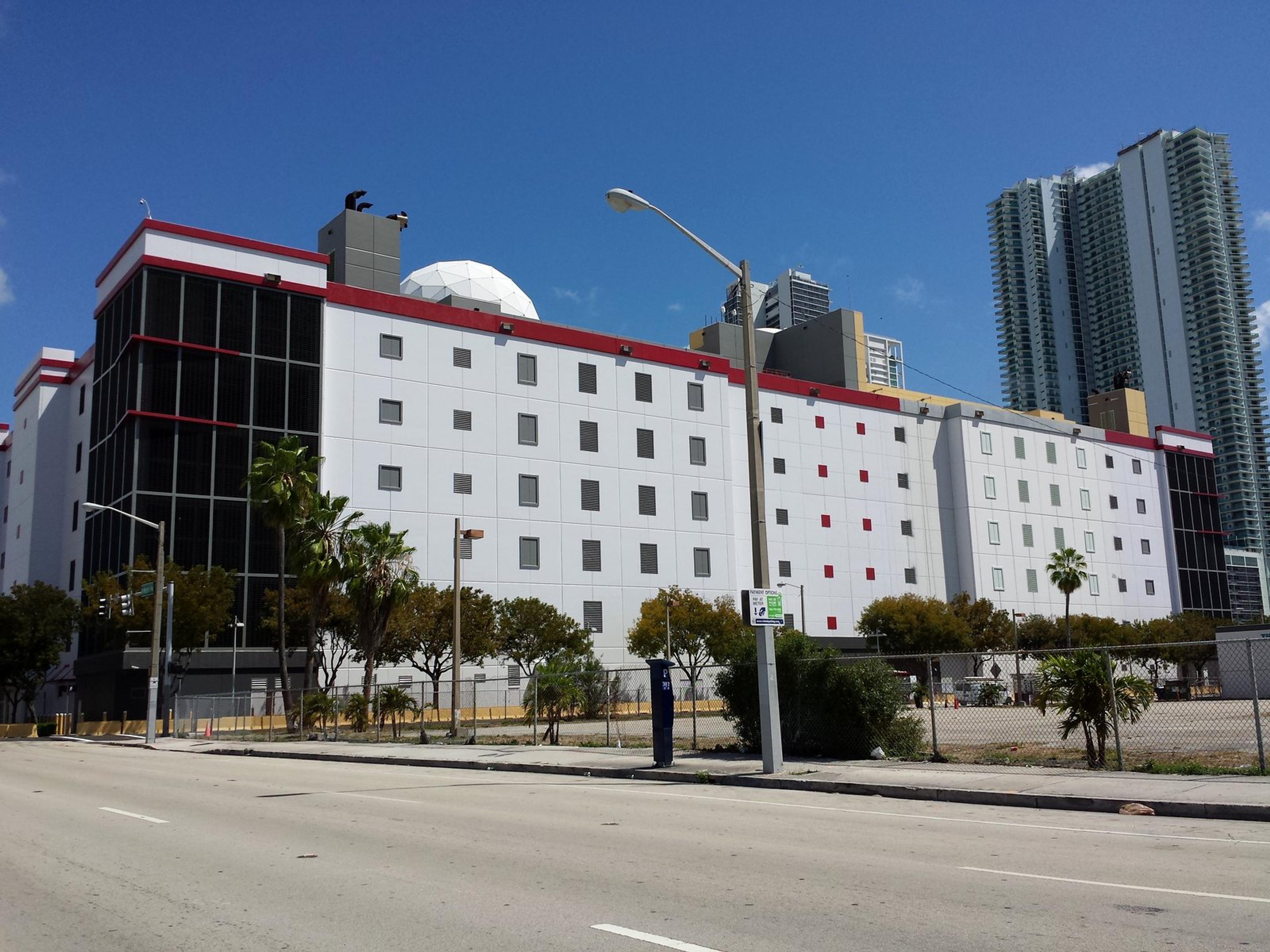
Photo: Pietro / Wikimedia Commons. CC BY-SA 3.0. Color adjusted by 22Miami. The edited photo retains this license.