Broward weighs Port Everglades talks with Sol Shipping and Baleària
Key Takeaways
- •The October 20 proposal would authorize negotiations, with final agreements returning for board approval.
- •Sol's existing seven-acre terminal lease expires October 31, 2027.
- •Baleària's passenger-terminal and berth agreement runs through November 30, 2026.
Broward County commissioners are scheduled to consider opening contract negotiations with two established Port Everglades operators on Tuesday, October 20. The proposal covers Sol Shipping Services' marine-terminal lease and Baleària Caribbean's passenger-terminal and berth agreement, linking a produce-import operation and a Bahamas ferry service in one agenda item.
The published commission agenda lists the meeting for 10 a.m. Eastern time. Item 26-1348 seeks waivers of the county's competitive selection requirements so the port director, or a designee, can negotiate directly with the companies. It asks commissioners to find good cause for each waiver. The requested waivers cite Sections 32.4.h and 32.10 of the Broward County Administrative Code, the provisions governing competitive selection and exceptions.
Port staff recommends approval because of the operators' longstanding presence. The staff memo says any negotiated agreements would return to commissioners for approval. It identifies no fiscal impact from this initial action, leaving the terms of any eventual contracts for a later decision.
Sol, based in Pompano Beach, has moved perishable cargo through the port since 1993, according to the memo. Its existing lease covers approximately seven acres at 2000 Eller Drive in Midport and expires October 31, 2027. The company imports produce through a seasonal weekly container service and handles other cargo, including cement and marble, during the offseason.
That activity sits within a wider South Florida food-import network. Port Everglades' perishables overview identifies Central and South America as its principal sources of fresh produce. The port highlights cold-chain continuity, shorter time to market and shelf life as important considerations for the trade. Those operating requirements help explain why terminal access matters to a produce importer and the businesses handling its cargo.
Baleària's agreement is closer to its current expiration date: November 30, 2026. The county says its passenger-and-cargo fast ferry has connected Port Everglades and the Bahamas since 2011. It generally uses Berth 21 but has no dedicated berth, with multi-day cruise assignments potentially taking priority.
The operator's Grand Bahama route page lists Fort Lauderdale's Terminal 21 and Freeport as its endpoints. It advertises an approximately three-hour crossing, subject to weather, and cautions that terminal assignments can vary. For travelers, that means the existing route and departure arrangements remain the relevant planning information while the county considers the separate agreement process.
The two negotiations concern different parts of the port's business. Sol's facilities support goods moving through the regional supply chain; Baleària's terminal and berth access support passenger travel alongside cargo. Neither motion announces a new route or a completed terminal expansion. The immediate question is whether commissioners will allow direct negotiations with the current operators.
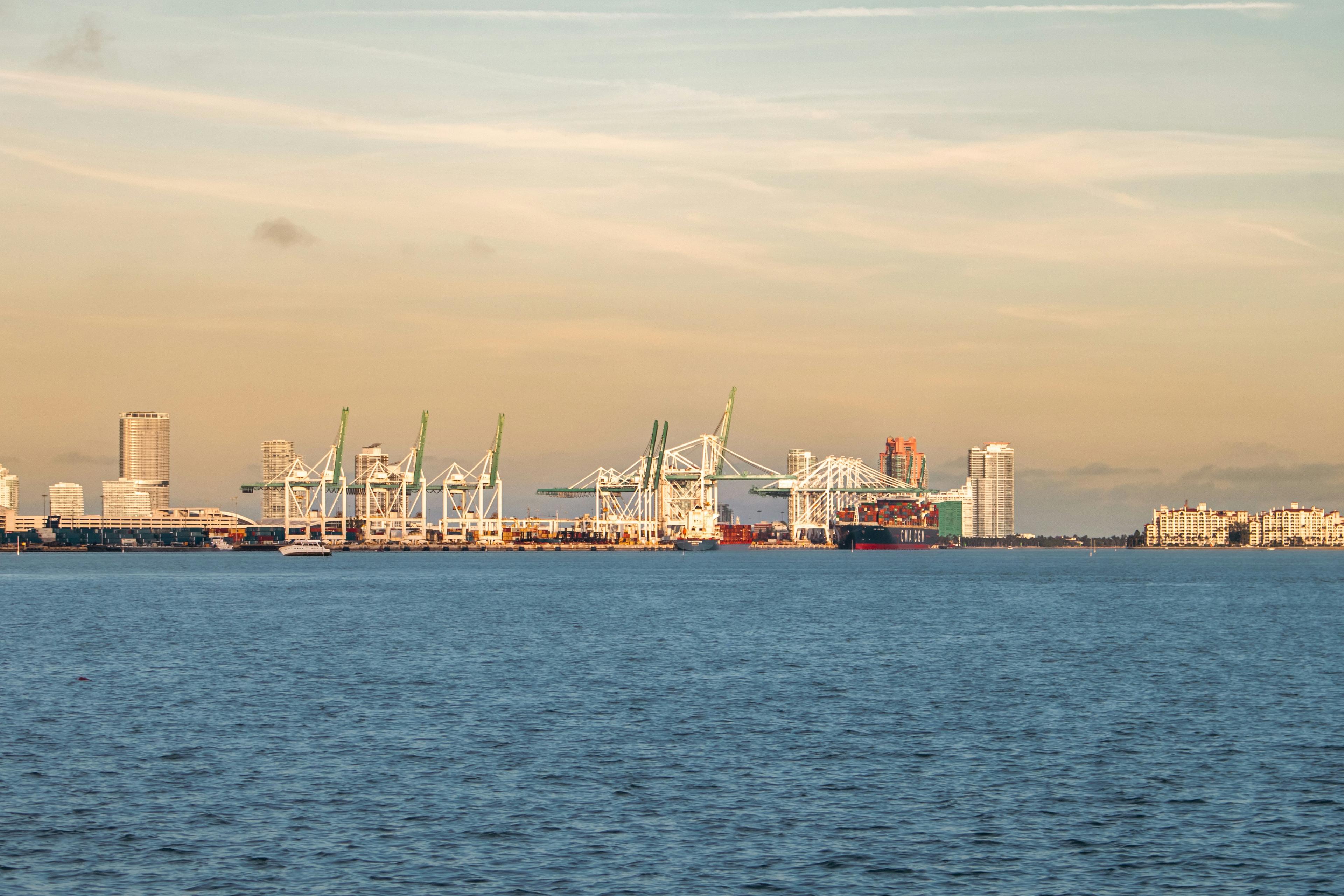
The port's cargo overview describes connections to more than 150 ports in 70 countries, with container services concentrated on Caribbean and Latin American trade. It also identifies highway links and a nearby rail transfer facility as parts of its inland distribution network. That broader infrastructure provides context for the individual operating agreements now approaching review.
Tuesday's commission decision is the next milestone. If the waivers pass, the subsequent agreements, including their duration and financial terms, will still require board approval.
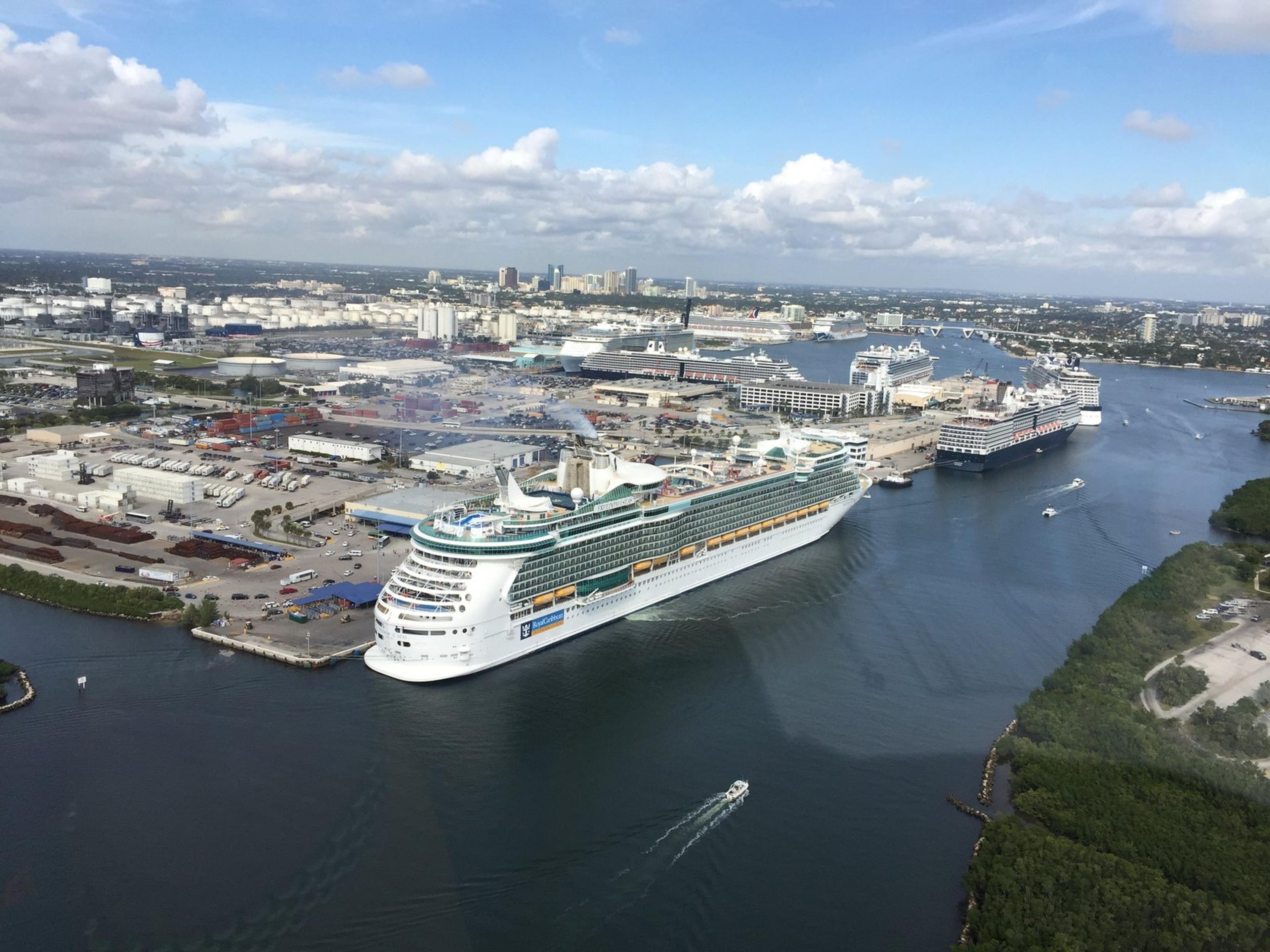
Photo: Port Everglades PIO, December 2017. Resized and color-adjusted image: CC BY-SA 4.0.