
Miami Airport Traffic Drops While Cargo Surges Ahead
Key Takeaways
- •Miami International Airport lost 431,824 passengers through August, down 1.14% year over year.
- •Airport freight tonnage increased 10.87% year to date despite passenger decline.
- •Miami Dade County awaits $17.9 million in outstanding FEMA Hurricane Irma reimbursements.
Miami International Airport has experienced a significant decline in passenger traffic during the first eight months of 2026, with total arriving and departing passengers reaching 37,467,769, down 1.14% from the same period last year. The drop represents a loss of 431,824 air trips across both domestic and international routes.
The downturn accelerated in August, when total passenger numbers fell 5.69% compared to the same month in 2025. Domestic travel bore the brunt of the decline, dropping 6.8% for the month, while international passengers decreased 4.44%. For the year to date, domestic travel has fallen 1.68% and international passengers are down 0.48%.
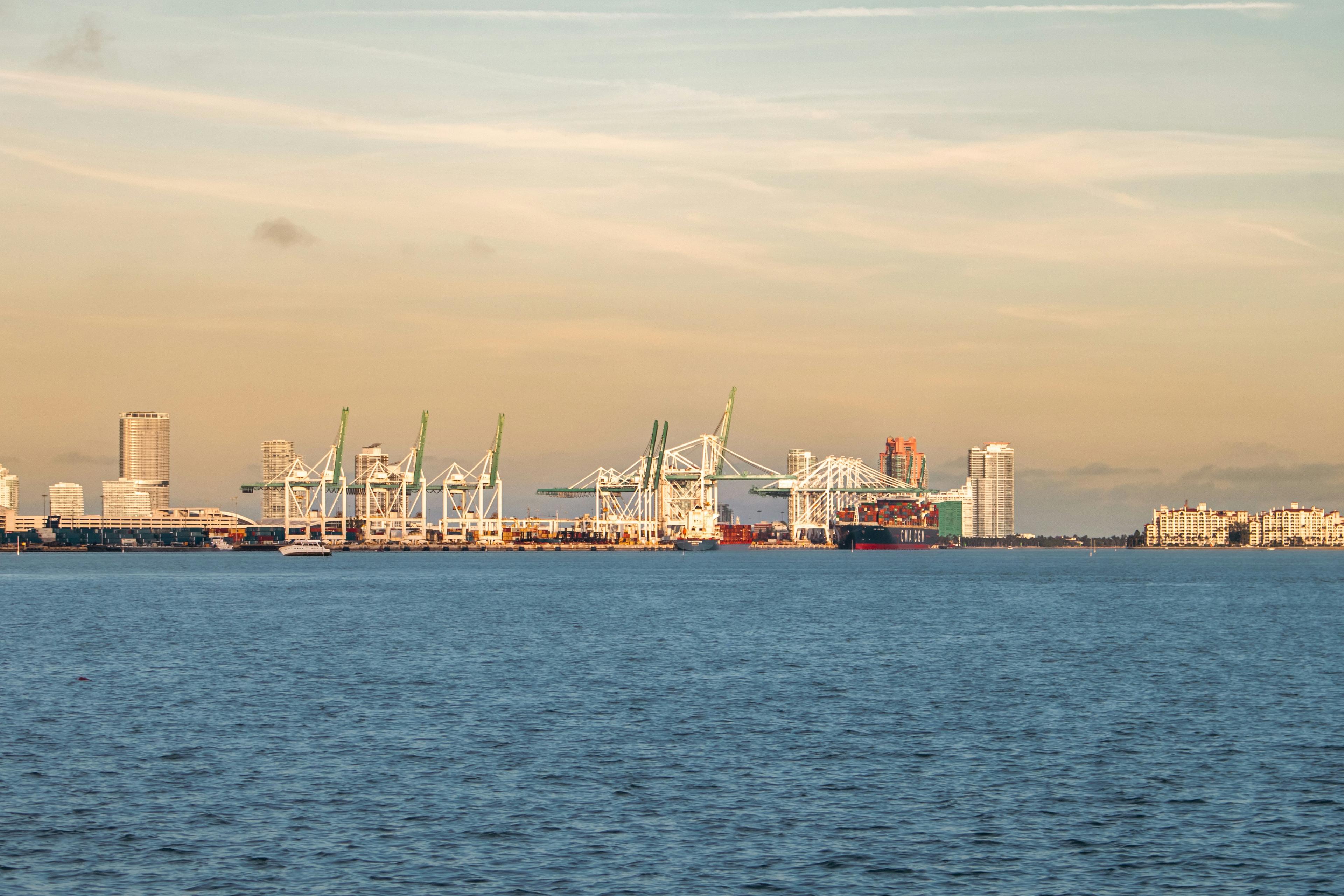
Despite the passenger decline, the airport's cargo operations are experiencing robust growth. Freight tonnage surged 10.78% in August and has maintained a 10.87% increase for the year to date, demonstrating strong demand in the logistics sector even as leisure and business travel softens.
Meanwhile, South Florida's rail transportation sector is navigating significant challenges. Tri Rail, the publicly owned and operated commuter service running between Miami and Palm Beach, implemented a 10% fare increase effective October 1. The South Florida Regional Transportation Authority's governing board approved the rate adjustment in June.
Diane Hernandez Del Calvo, the transportation authority's deputy executive director, explained that the fare adjustment represents just one component of a broader strategy to maintain service levels and ensure the system's long-term financial stability. The rail line serves as a critical transportation link for the tri county region.
In a separate development affecting the rail sector, Brightline, the privately owned rail service connecting Miami and Orlando, filed for Chapter 11 bankruptcy protection last week. The company has stated it will continue operating its rail services throughout the restructuring process.
On the federal reimbursement front, Miami Dade County continues to await $17.9 million in outstanding payments for expenses incurred during Hurricane Irma in 2017. According to a biannual report from Mayor Daniella Levine Cava, the Federal Emergency Management Agency has approved $262.3 million of the county's hurricane related expenses, but Miami Dade has collected only $244.4 million to date.
The county originally estimated its total hurricane expenses at $280 million following the storm's September 17, 2017 landfall. Miami Dade has submitted 222 projects for reimbursement through FEMA's publicly assisted grants program and will provide matching funds of approximately $11.6 million.
In employment news, Florida recorded 5,130 initial unemployment applications during the week ending September 19, up from 5,013 the previous week, according to the U.S. Department of Labor. The state has maintained weekly claims below 6,000 since late August, with a year to date weekly average of 5,880.