PortMiami sets terminal access plan for busy cruise season
Key Takeaways
- •Peak season includes 81 days with seven to 10 ship calls.
- •Terminal assignments determine the recommended entrance.
- •Carnival Celebration airport transfers will operate on selected dates.
PortMiami is rolling out access measures before a 2026-27 cruise high season with 81 days of seven to 10 ship calls. Miami-Dade County announced the plan October 16, combining arrival guidance, congestion monitoring and selected airport transfers.
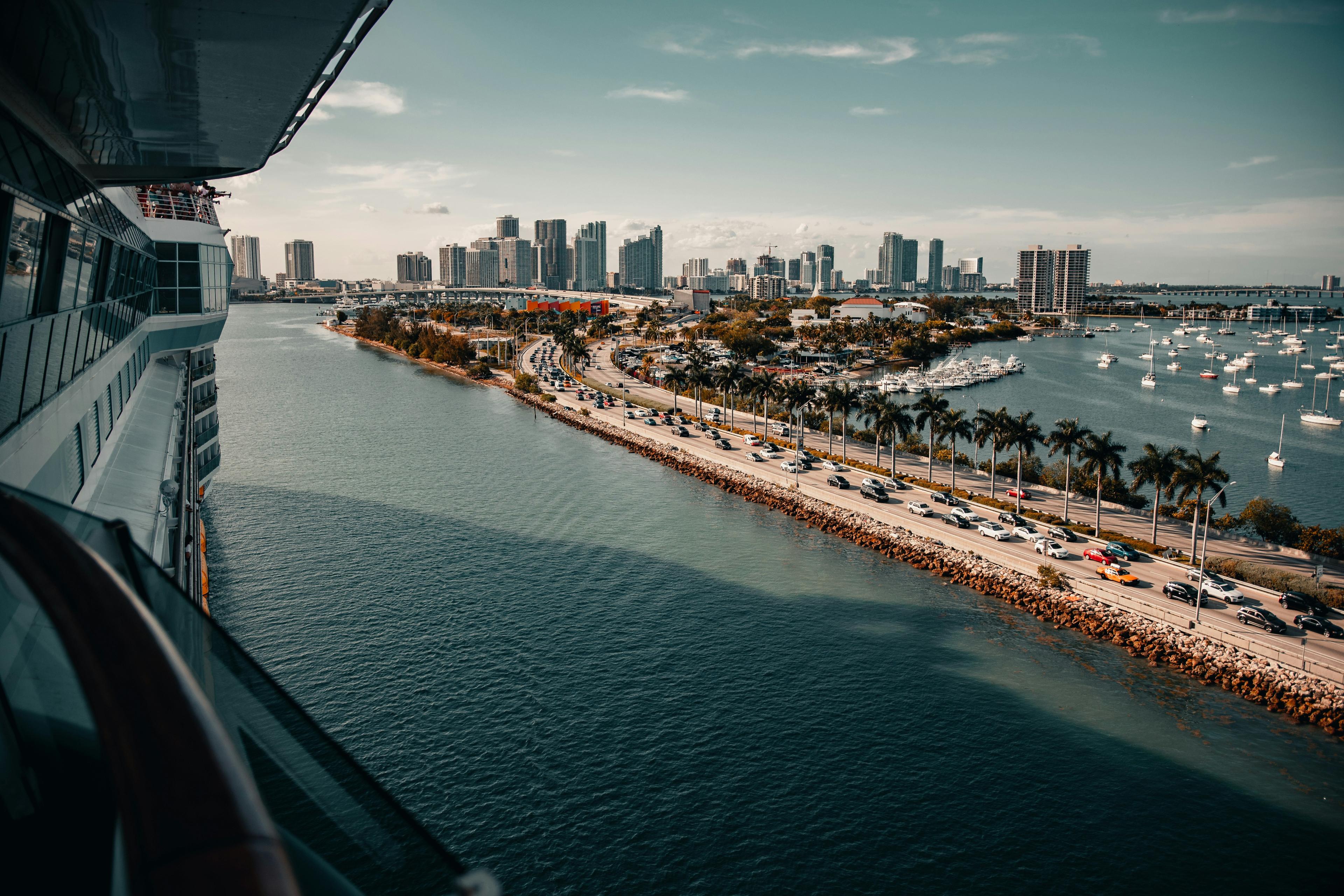
Passengers for terminals AA, A, B, C and D should use the tunnel; those for E, F, G, J and V should use the bridge. Passengers should arrive at their assigned embarkation time.
GridMatrix will track congestion with computer vision. A Carnival Celebration shuttle pilot to Miami International Airport starts in October on select dates. The announcement supplies neither those dates nor measured reductions in waiting.
The technology has an earlier public history. In an April 20 advisory for eMerge Americas, Miami-Dade said PortMiami would showcase GridMatrix's traffic analysis alongside robotic cleaning equipment. That earlier announcement establishes that computer-vision work predates the cruise-season plan. The current development brings the technology into a wider package of access measures rather than marking its first public mention.
For passengers arranging ground transportation, the immediate task is matching the booked sailing to its terminal and arrival appointment. A port-wide destination in a navigation app is less useful than the correct terminal entrance. For drivers handling several bookings, collecting that information in advance is a practical way to organize each trip.
PortMiami's transportation guide lists separate street addresses for its terminals. Terminal AA is at 2200 North Cruise Boulevard, while Terminal A is at 2000 North Cruise Boulevard. Terminal J is at 1120 Caribbean Way. Checking the terminal-specific address before departure gives travelers a concrete destination to share with their driver.
The same guide outlines a public transit option from Miami International Airport: Metrorail's Orange Line to Government Center, followed by Metromover to Freedom Tower and the free Coral Way Trolley across the bridge. It lists trolley stops opposite Terminal J's garage and Terminal E's surface parking lot. Travelers can use the county's trip planner to check the connection for their journey.
For taxis and rideshares, the guide identifies terminal service and designated pickup and drop-off areas. Those details matter when arranging the return journey as well as arrival. A passenger's transport plan should account for the actual terminal rather than assuming every ship uses the same collection point.
Passengers driving themselves can also prepare for the last part of the trip. The port's cruise FAQ recommends dropping off luggage and passengers at the terminal before parking when possible. It states that parking cannot be reserved and directs travelers to the parking page for charges, which vary by vehicle and parking arrangement.
The FAQ also distinguishes transfers within the port from airport transportation. Its free interterminal shuttle applies when a ship leaves from one terminal and returns to another. There are no luggage-storage lockers at the port, and travelers should ask their cruise line about early baggage check-in. These standing services are separate from the newly announced airport pilot.
The useful next information for passengers will be the pilot's operating dates and sailing-specific instructions. Until those are available, travelers can plan around confirmed terminal assignments and their cruise line's arrival appointment.