FIU researchers report passive magnetic method for detecting drones
Florida International University says its passive sensor detected outdoor drones at up to 15 meters in tests. The university-reported accuracy is limited to those conditions, and no operational deployment has been announced.
Key Takeaways
- •FIU says its sensor analyzes low-frequency magnetic signatures from drone motors without transmitting a signal.
- •The university reported up to 98.52% accuracy at ranges up to 15 meters in its described outdoor tests.
- •FIU has not announced an operational deployment, product launch or named commercial partner.
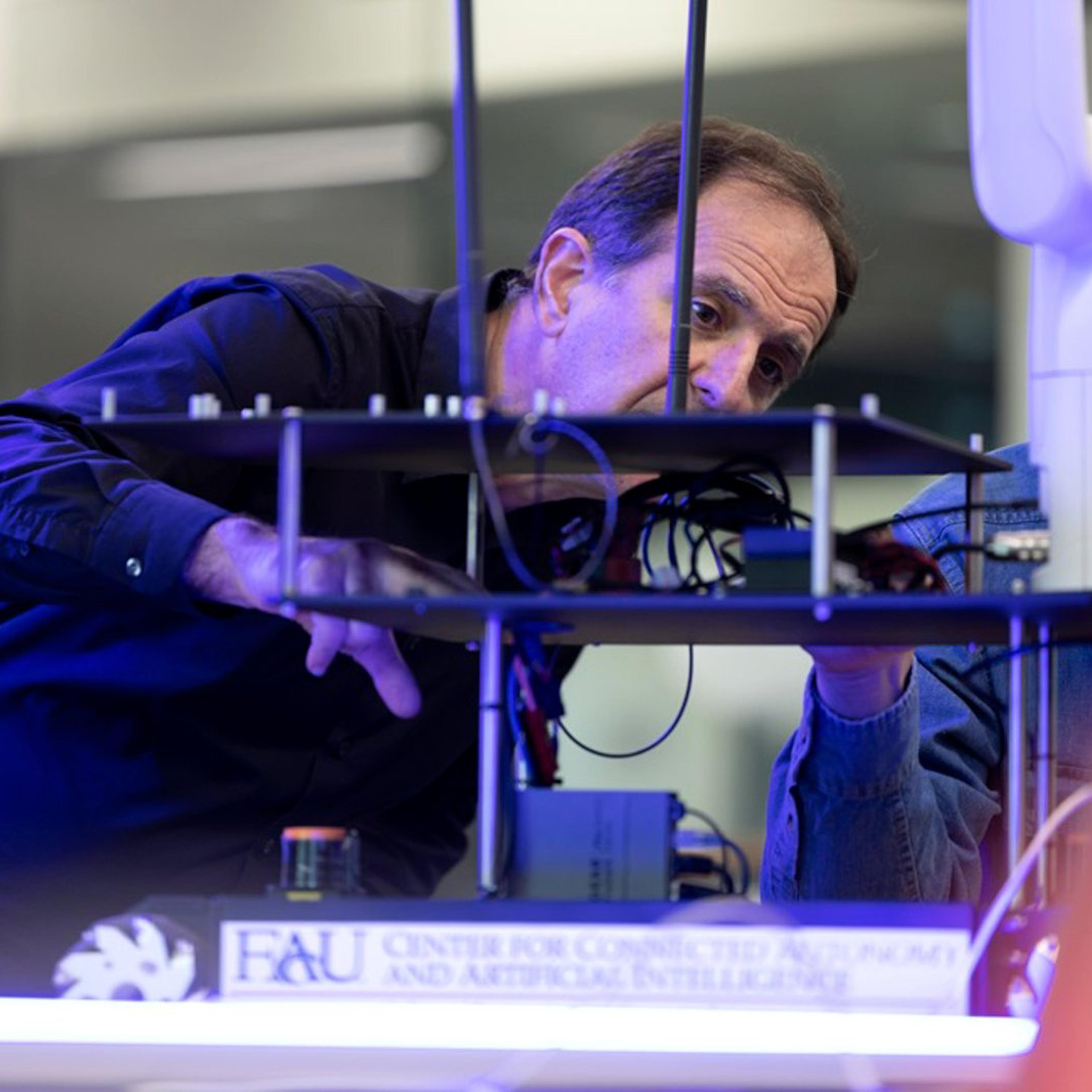
Florida International University researchers say they have developed a passive way to detect small drones by reading low-frequency magnetic signatures from their electric motors. In a university release published Oct. 23, FIU reported outdoor tests reaching as far as 15 meters.
The approach differs from radar because the sensor receives signals rather than transmitting its own. FIU says a specialized antenna records the motor emissions and a machine-learning model analyzes them. Different motor configurations can leave different magnetic patterns, the university said, allowing the system to identify a drone’s make and model in the tests.
FIU reported up to 98.52% accuracy at ranges of up to 15 meters. Those figures describe the researchers’ tests, not a general performance guarantee. The release does not establish how the method would perform across different settings, distances or operating conditions.
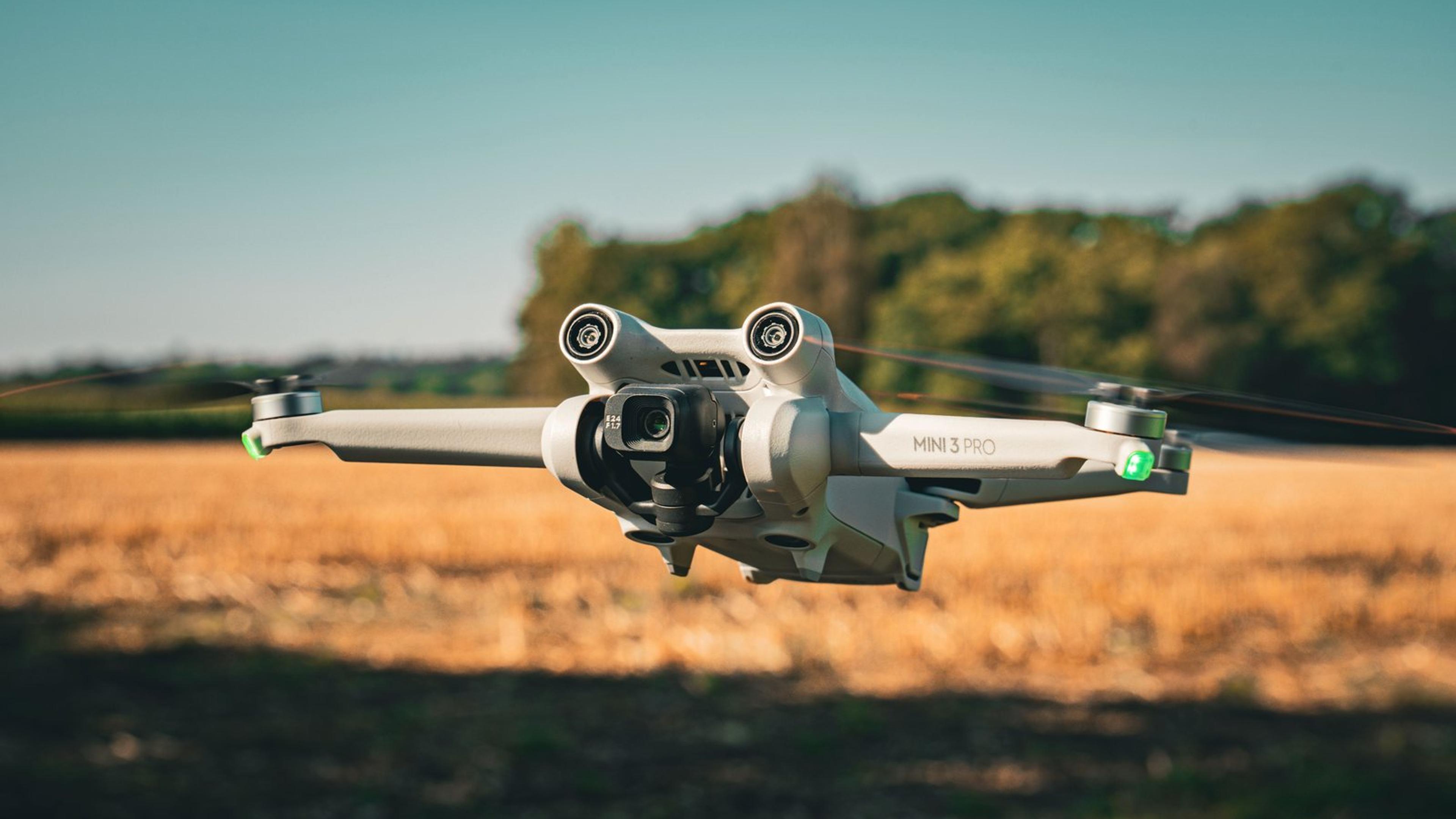
The research focuses on micro-uncrewed aircraft systems. FIU’s announcement places the work in the context of counter-drone research, but it does not say the sensor is deployed by security agencies or ready for operational use. The limited range is a material constraint as the team evaluates what the method can do beyond controlled testing.
The project is led by Arjuna Madanayake of FIU’s Department of Electrical and Computer Engineering. The university’s faculty directory lists him as a professor. The research group also includes Chatura Seneviratne, based in Sri Lanka, and Soumyajit Mandal of Brookhaven National Laboratory, according to FIU.
FIU says the device cost a few hundred dollars to develop and that the researchers are working with U.S. industry to further develop it. Those are university-reported details; the announcement does not identify a commercial partner, product launch or deployment date.
For Miami-Dade, the development is a local university research result rather than a new operational drone-security service. The next meaningful update will be evidence of broader testing, a named development partner or a documented deployment. Until then, the reported accuracy and short range should remain tied to FIU’s described outdoor tests.