
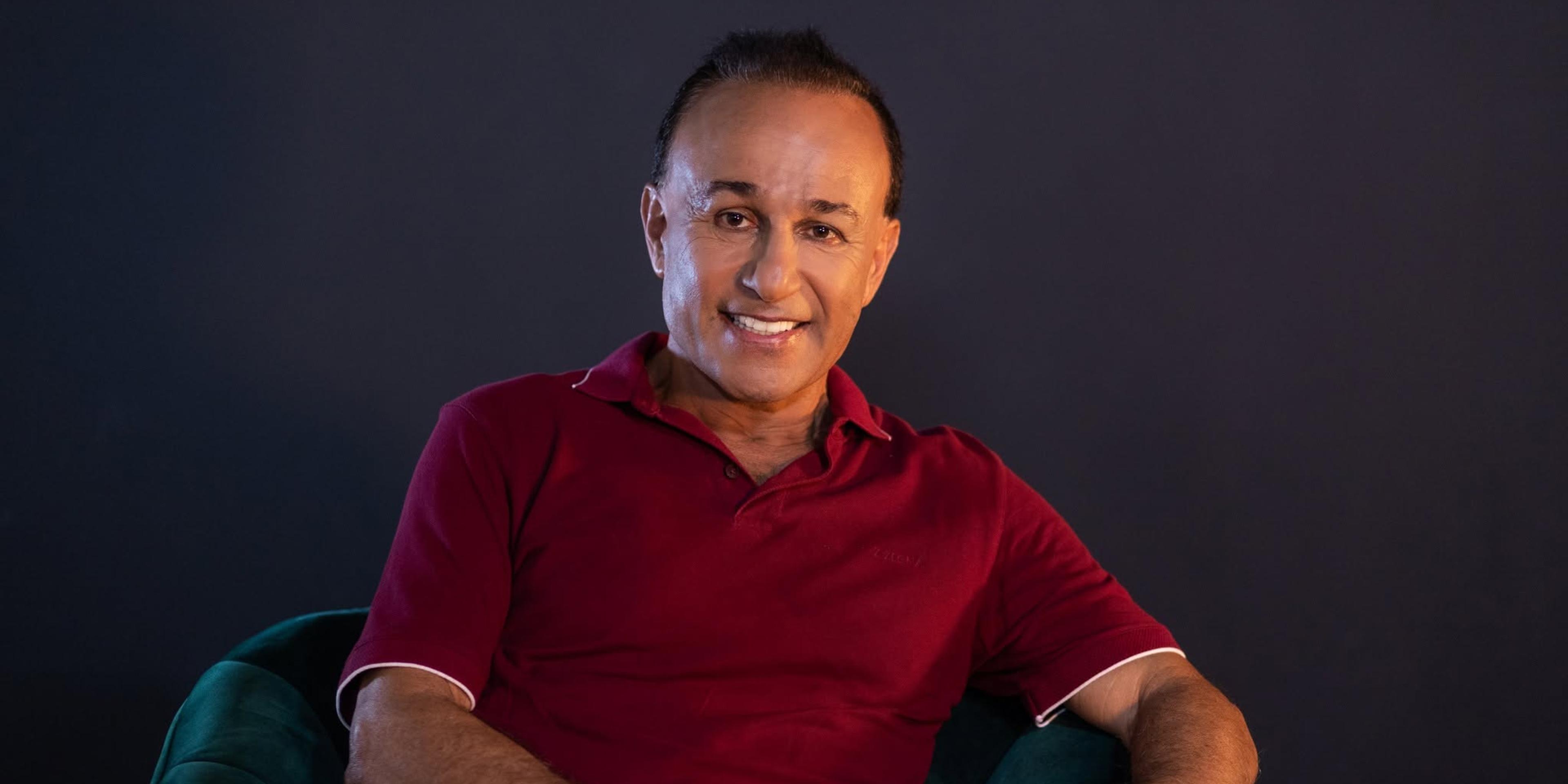
After 16 years of investing in Wynwood, Moishe Mana has closed a landmark $1.1 billion transaction that will help transform part of the neighborhood into Carnegie Mellon University's new Miami campus.
This week's spotlight is @Moishe Mana, founder and chairman of @Mana Common, who began investing in Wynwood more than 16 years ago, long before the neighborhood became what it is today.
Now, a landmark $1.1 billion sale of his Wynwood property will help make way for the new Carnegie Mellon University Miami campus.
But Mana's Miami story goes far beyond one transaction. From Wynwood to Downtown's Flagler District, his investments in real estate, culture, technology and entrepreneurship have helped shape a changing Miami.
For more than a decade, Moishe Mana has been making one of Miami’s biggest long-term bets.
Long before Wynwood became one of the city’s most recognizable neighborhoods, Mana was assembling property, backing cultural events and arguing that the former warehouse district could become a permanent center for art, business and innovation.
This week, that strategy reached a major milestone.
Mana confirmed the sale of approximately 30 acres of his Wynwood holdings to Ken Griffin for about $1.1 billion, part of the site planned for the new Carnegie Mellon University Miami campus. South Florida Business Journal described the transaction as the most expensive land deal in South Florida history.
But the story is bigger than the sale.
Mana began investing in Wynwood around 2009, when much of the area was still industrial and its transformation was in its early stages.
According to Mana Common, his initial major acquisition was a distressed warehouse property purchased for approximately $5 million. Over the following years, Mana expanded his holdings while investing in events, art, music and other activities intended to draw people into the neighborhood.
Mana Wynwood eventually became one of the district’s major event and cultural venues, hosting everything from art fairs and productions to Miami Music Week and III Points.
The approach was consistent with projects Mana had previously pursued in New York's Meatpacking District and Jersey City, where he combined real estate with creative and cultural uses rather than treating property solely as a development asset.
The buyer of the Wynwood property is Citadel founder and CEO Ken Griffin.
The land will form a major part of a proposed 35-acre Carnegie Mellon University campus in Wynwood. Griffin has committed more than $3 billion to Carnegie Mellon, including $2 billion toward launching CMU Miami and $1 billion for the university's Pittsburgh operations.
CMU says the Miami campus is planned to eventually support more than 3,500 undergraduate, master's and PhD students, nearly 300 faculty members and more than 600 staff. Construction is expected to begin in 2027, with the first students targeted for 2028, subject to regulatory approvals.
For Mana, the transaction closes one chapter of the Wynwood story while potentially reinforcing the type of innovation ecosystem he has advocated for in Miami for years.
He told South Florida Business Journal that he had received billion-dollar-plus offers for the property previously but resisted plans centered on residential development. Griffin's university proposal ultimately offered a different future for the site.
Mana's Miami ambitions extend well beyond Wynwood.
Through Mana Common, he has assembled a major portfolio in Downtown Miami's Flagler District, where the organization says it controls more than 80 properties and is pursuing projects across technology, fashion, commerce and culture.
Mana Tech has become another component of that strategy, connecting startups, investors and companies with Miami while emphasizing the city's position between North America and Latin America.
That makes this week's transaction notable for more than its price.
Sixteen years after Mana started accumulating property in Wynwood, a substantial part of that assemblage is set to become the home of a major American research university.
For an entrepreneur whose Miami strategy has consistently centered on building neighborhoods around culture, business and innovation, the $1.1 billion sale represents a remarkable validation of a very long bet.
22Miami Spotlight highlights the people shaping business, investment and the future of Miami.