University of Miami Wins Approval for Major Campus Expansion
Key Takeaways
- •University of Miami will expand enrollment from 13,000 to 17,500 students.
- •A new 100-bed hospital will bring inpatient and emergency care to campus.
- •Gables Village residential complex will add 1,458 beds by mid-2029.
The Coral Gables City Commission has approved a comprehensive 30-year development agreement with the University of Miami that will dramatically transform the institution's physical footprint and healthcare capabilities.
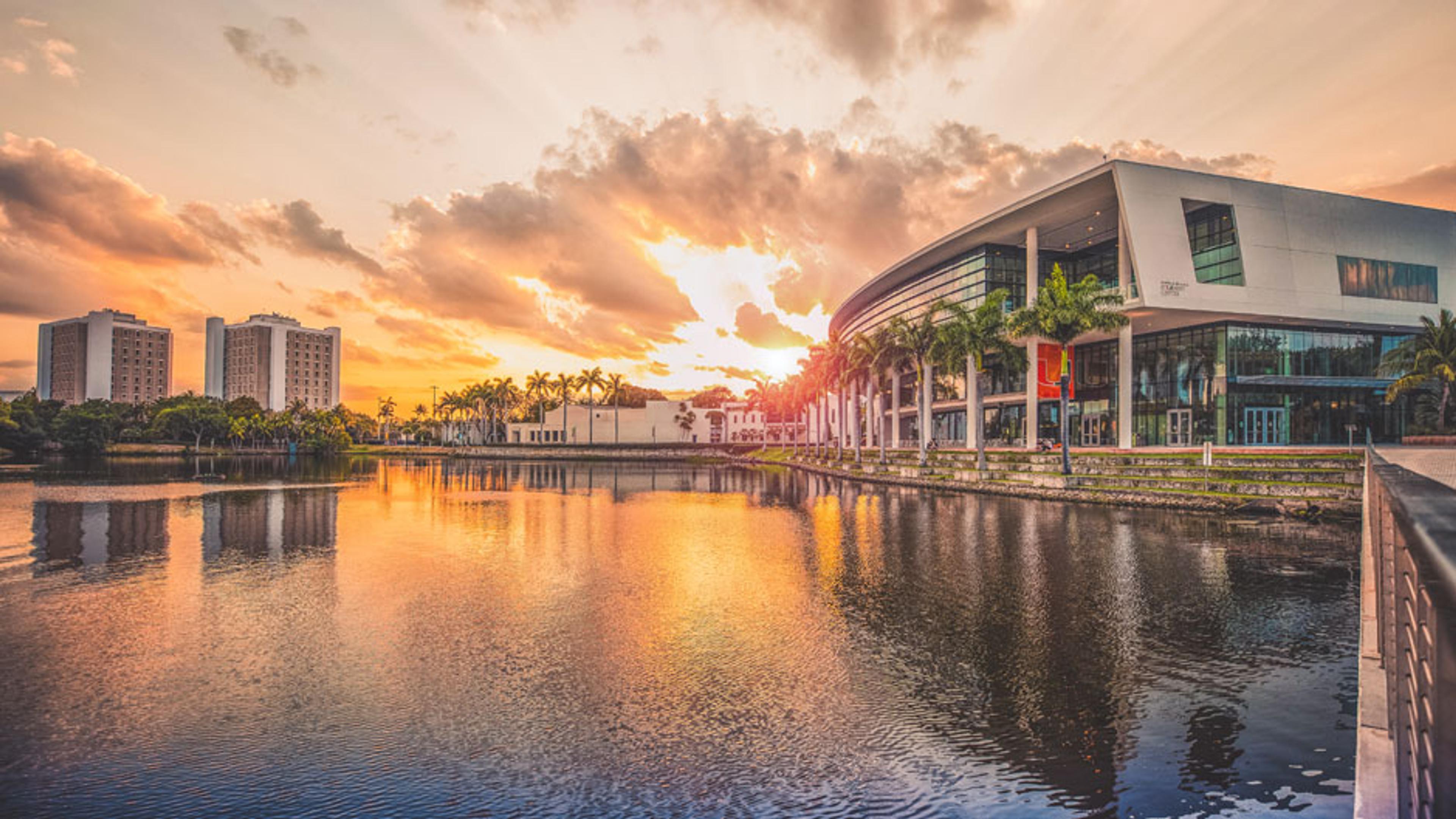
The agreement permits student enrollment to grow from 13,000 to 17,500 over the next three decades while allowing a 30 percent increase in allowable building area across campus. The university will also gain expanded boundaries along Ponce de Leon Boulevard and increased retail development allowances, providing greater flexibility for future academic, research, and medical facilities.
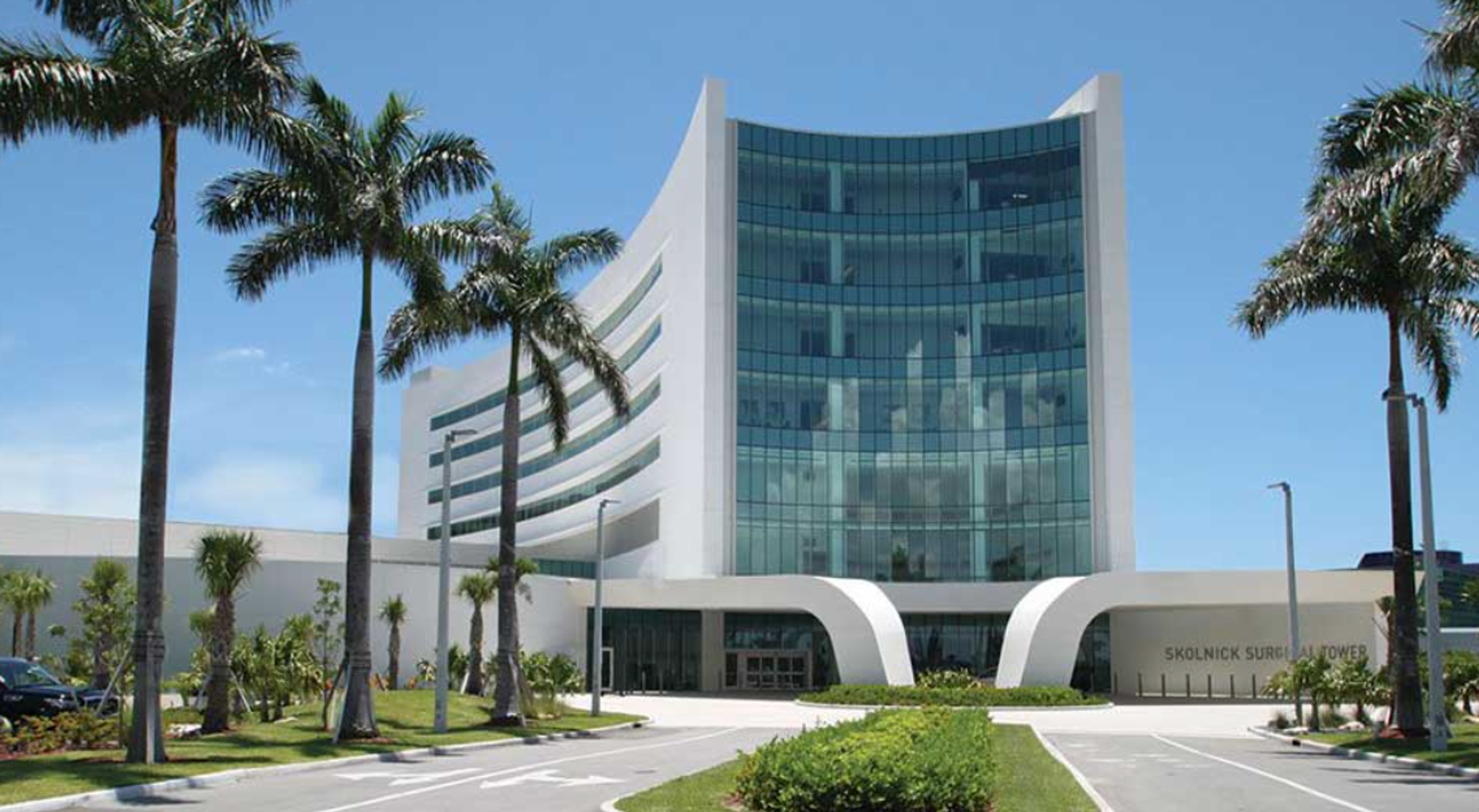
A centerpiece of the expansion is a full-service hospital with up to 100 beds on the Coral Gables campus. This facility will mark a significant upgrade from the existing Lennar Foundation Medical Center, which currently provides only outpatient services. The new hospital will offer inpatient, outpatient, and emergency care, substantially expanding the university's medical services on its main academic campus.
The plan includes Gables Village, a 573,804-square-foot residential complex scheduled for completion by mid-2029. Replacing the existing Mahoney-Pearson Residential College, the project will feature two multistory towers housing 1,458 beds, primarily in private single rooms. The development will also include study lounges, classrooms, recreational spaces, landscaped walkways, and a 700-seat dining hall.
Under the agreement, the university will transfer the 5.5-acre Lee Lincoln Parcel to Coral Gables for use as a public park. The city will also convey 70 metered parking spaces to the university, while payment schedules will include an annual 4 percent increase.
Mayor Vince Lago emphasized the historical significance of the relationship, noting that founder George Merrick donated 700 acres to ensure Coral Gables had a strong educational foundation. "This is the most important relationship the city of Coral Gables has," Lago said during the commission meeting.
The campus transformation aligns with the university's "Roadmap to Our New Century," a strategic vision unveiled during its centennial celebration. Miami-Dade County commissioners supported this effort in March by approving $500 million in revenue bonds for capital projects spanning five University of Miami locations, including the Coral Gables campus, medical campus, Rosenstiel School on Virginia Key, and UHealth facilities in Doral and North Miami.
Jeff Bass, founder of Bass Law and legal representative for the university, called the approval historic, comparing it to Merrick's original vision from a century ago. Vice Mayor Rhonda Anderson praised both the green space additions and the university's persistence through lengthy negotiations, acknowledging moments of disagreement that were ultimately resolved at the bargaining table.