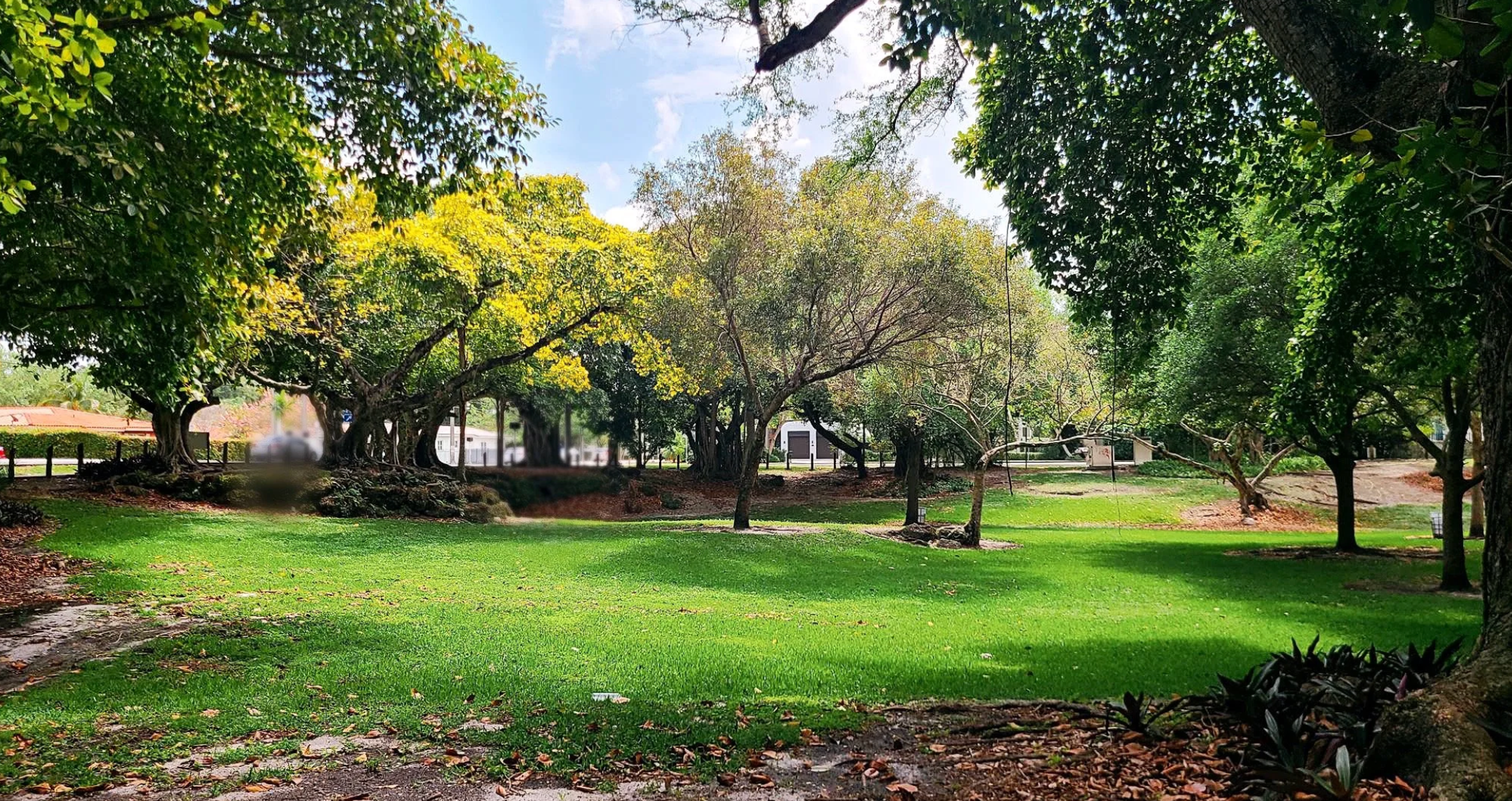
Schenley Park Moves Toward Specialized Thematic Zoning District
Key Takeaways
- •Schenley Park officials scheduled September meeting to advance thematic zoning district plans.
- •Funding pursuit will follow initial planning steps for the community-specific zoning initiative.
- •Thematic zoning allows neighborhoods to create customized regulations reflecting local development priorities.
Schenley Park is moving closer to establishing a specialized thematic zoning district tailored to the community's unique character and development goals. Local officials have scheduled a September meeting to advance the proposal, marking a significant step in the process.
The initiative seeks to create zoning regulations specific to the Schenley Park area, allowing for customized development standards that reflect the neighborhood's particular needs and vision. Thematic zoning districts differ from traditional zoning by incorporating design guidelines, land use patterns, and community priorities into a cohesive regulatory framework.
Following the September meeting, organizers plan to pursue funding necessary to implement the new zoning district. This phased approach allows stakeholders to build consensus around the concept before committing resources to execution.
Thematic zoning has gained traction across South Florida as neighborhoods seek greater control over their development trajectories. Unlike conventional zoning categories that apply broad regulations across multiple areas, thematic districts enable communities to address location-specific concerns such as architectural character, density preferences, and commercial mix.
The Schenley Park proposal represents part of a broader trend in urban planning where resident input shapes regulatory frameworks. Community-driven zoning initiatives often balance growth objectives with preservation goals, creating development pathways that maintain neighborhood identity while accommodating economic evolution.
For Schenley Park, establishing a dedicated zoning district could influence everything from building heights and setbacks to landscaping requirements and permitted business types. These tailored regulations provide predictability for developers while giving residents assurance that future construction aligns with community values.
The September meeting will likely address boundary definitions, core regulatory principles, and stakeholder engagement strategies. Public input typically plays a central role in thematic zoning development, ensuring that regulations reflect the priorities of residents, property owners, and business operators.
Funding procurement represents the next critical phase after initial approval. Implementation costs can include planning consultants, legal reviews, mapping services, and community outreach programs. Some municipalities allocate budget resources directly, while others pursue grants or public-private partnerships to finance zoning initiatives.
The timeline from concept to adoption varies depending on regulatory complexity and community consensus. Simple thematic districts may achieve approval within months, while more comprehensive frameworks requiring extensive study and negotiation can take years to finalize.
As South Florida continues experiencing development pressure, neighborhood-level zoning tools provide mechanisms for managing growth patterns. Schenley Park's progression toward a thematic district illustrates how communities actively participate in shaping their built environment rather than accepting one-size-fits-all regulations.