Publix Acquires Miami Shopping Plaza for $83 Million
Key Takeaways
- •Publix paid $83 million to acquire a shopping plaza in Miami.
- •CEO Kevin Murphy leads a company operating over 1,300 Southeast stores.
- •The grocer prefers owning locations rather than leasing for long-term control.
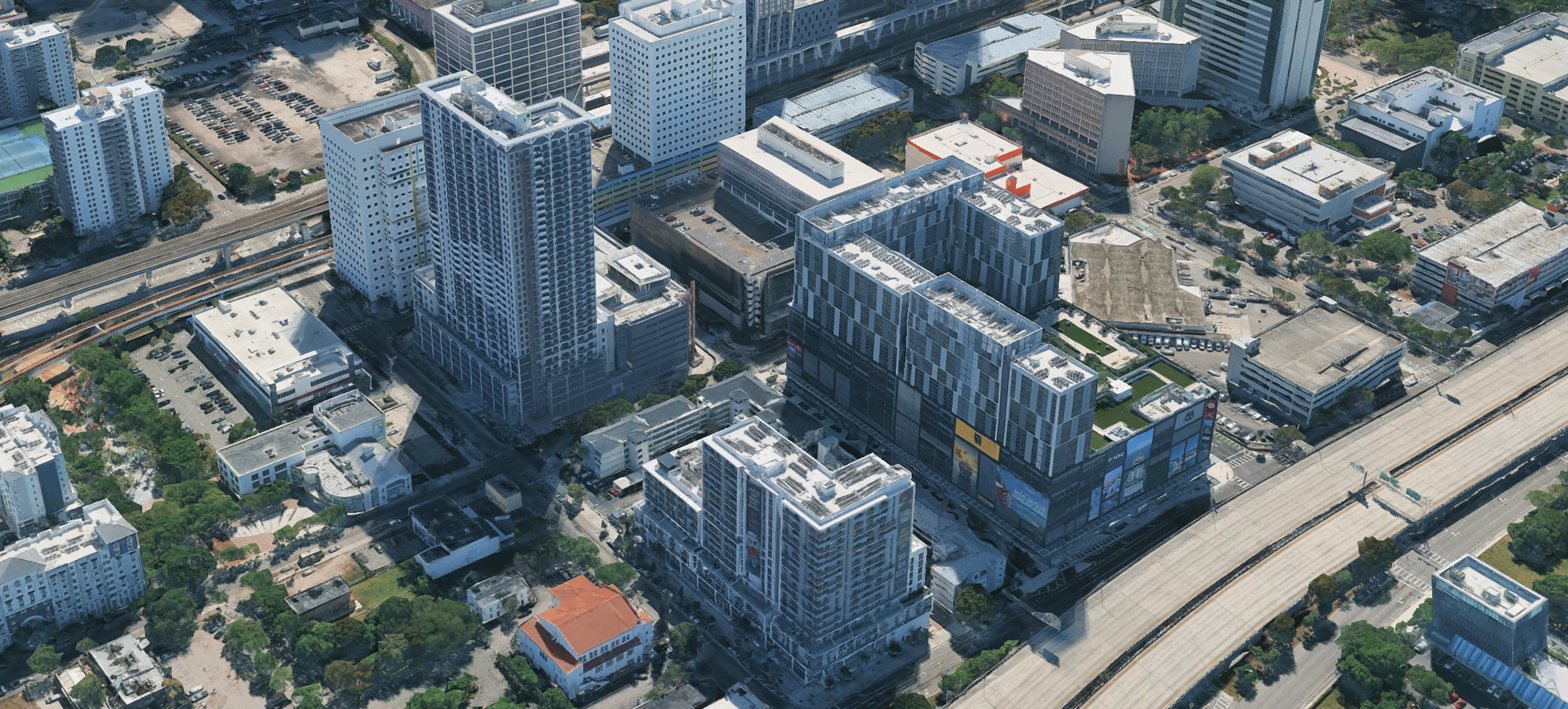
Publix has completed the purchase of a Miami shopping plaza for $83 million, marking another significant real estate investment by the Lakeland-based grocery chain in South Florida's retail market.
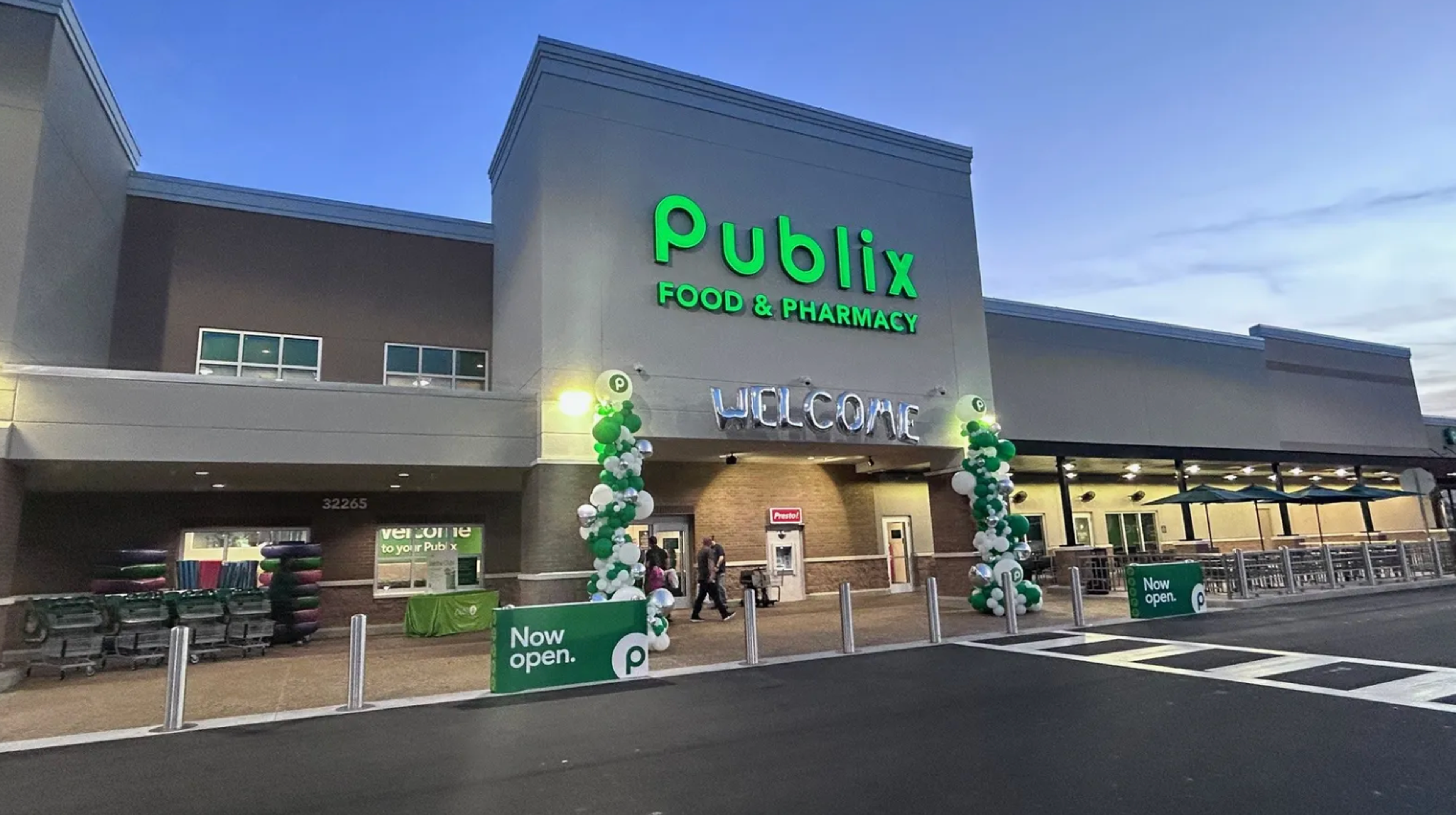
The acquisition reflects Publix's ongoing strategy to expand its property holdings in the region, where the company has been actively securing retail locations to support its long-term growth objectives. As one of the largest employee-owned companies in the United States, Publix operates more than 1,300 stores across the Southeast, with a substantial concentration in Florida.
The transaction adds to a pattern of substantial real estate investments by the supermarket operator, which has demonstrated a preference for owning rather than leasing its store locations. This approach provides the company with greater control over its physical footprint and protects against rent increases in competitive retail markets.
Under the leadership of CEO Kevin Murphy, Publix has maintained a conservative financial approach while pursuing strategic growth opportunities. The company's strong balance sheet and consistent profitability enable it to make large-scale property acquisitions without relying heavily on external financing.
South Florida represents a critical market for grocery retailers, with population growth and demographic shifts creating sustained demand for quality food retail options. The region's expanding residential development has prompted major supermarket chains to compete aggressively for premium locations with strong visibility and access.
Publix's real estate strategy differs from many competitors who typically lease their store locations. By purchasing properties outright, the company builds equity while operating its retail business, creating a dual revenue stream that strengthens its overall financial position.
The Miami plaza acquisition comes at a time when retail real estate fundamentals remain solid in South Florida, despite broader economic uncertainties. Grocery-anchored shopping centers continue to attract investor interest due to their recession-resistant characteristics and steady cash flows.
Industry observers note that Publix's willingness to deploy significant capital into real estate reflects confidence in South Florida's long-term growth prospects. The company has cultivated a loyal customer base in the region through its emphasis on customer service and store cleanliness, positioning it well to capitalize on continued population increases.
The grocer's expansion strategy also includes plans for new store openings and remodels of existing locations, ensuring its facilities remain competitive in a market where shopping experience plays an important role in customer retention. This comprehensive approach to market presence has helped Publix maintain its position as the dominant supermarket operator in Florida.