Miami Inspector General Reports First Cases Under New Authority
Key Takeaways
- •Miami's Inspector General office handled 19 matters from November through June 30.
- •The office filled 11 of 25 planned positions during its inaugural period.
- •City commissioners committed to doubling the office budget from $2 million to $4 million.
Miami's newly established Office of the Inspector General processed 19 cases during its first eight months of operation, marking the beginning of expanded oversight capabilities approved by voters last year.
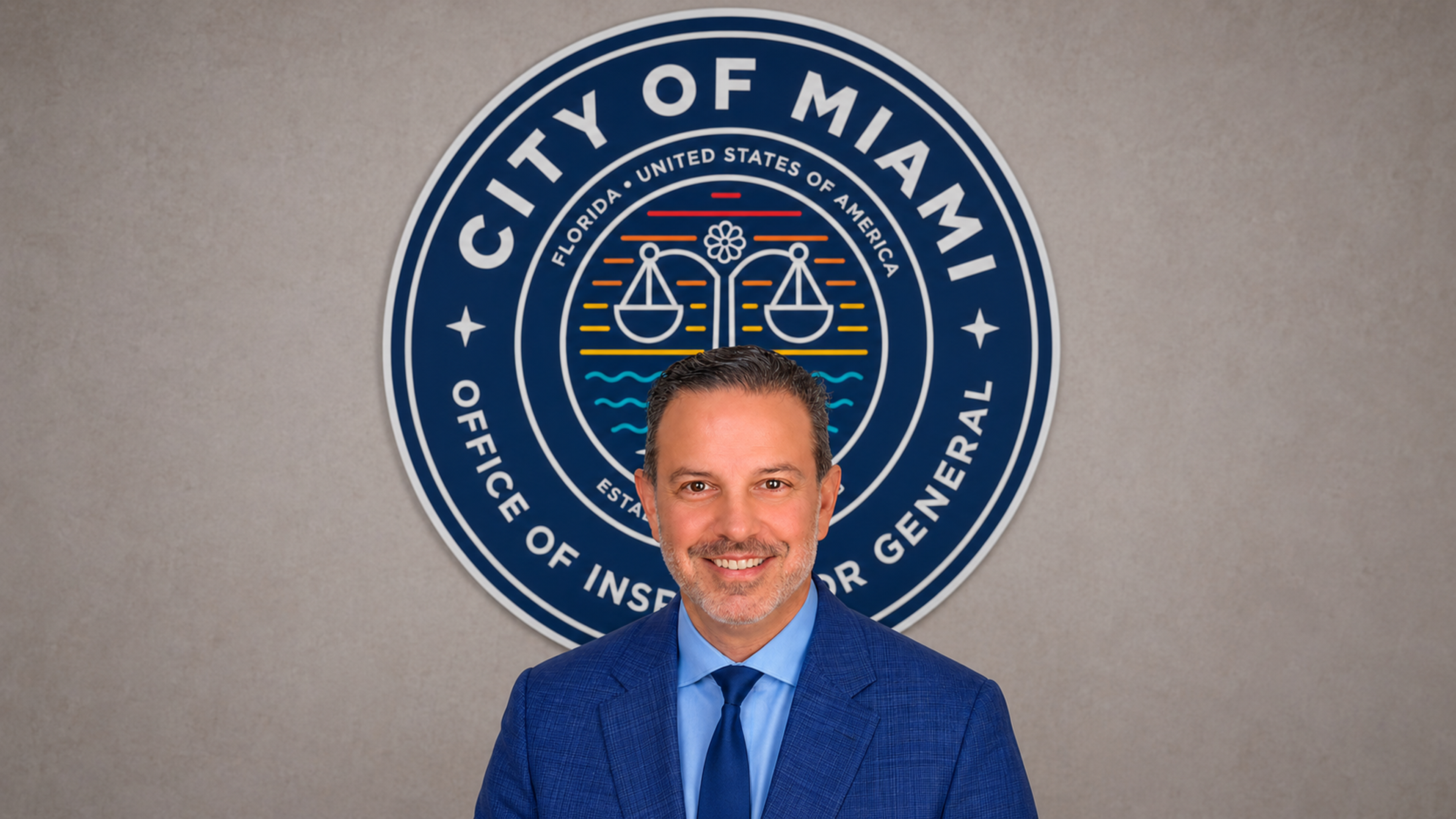
Antonio Diaz, who took office in November as Miami's inaugural independent inspector general, presented an update to city commissioners on September 24 detailing the office's early activities and operational development. Between November and June 30, the office addressed seven investigative matters, completed one audit and two reviews, declined five cases, and referred four matters to other authorities.
The office was established following a referendum in August 2024 that passed with nearly 80% voter approval. The measure replaced the city's former Independent Auditor General with an autonomous watchdog agency equipped with subpoena power and expanded investigative authority over city officials, employees, contractors, and agencies.
Diaz emphasized the office's mandate extends beyond traditional auditing functions. The inspector general can conduct investigations, oversee procurement processes, and examine contracts while maintaining independence from city operations.
Staffing and infrastructure development have progressed alongside casework. The office has filled 11 of 25 anticipated positions and developed extensive operational frameworks, including 10 chapters of standard operating procedures, 111 control forms, 18 training manual chapters, and 21 operational guides. A five-year strategic plan covering 2026 through 2030 has been completed, along with public guidance materials.
The office's permanent headquarters approaches completion, funded partly by budget allocations carried over from the predecessor auditor general's office. Technical systems remain in development, including case management platforms and access to restricted investigative databases at federal, state, and county levels.
Funding represents a significant priority as the office establishes long-term financial stability. Commissioner Damian Pardo, who requested the commission update, noted the body's commitment to doubling the initial $2 million allocation to $4 million, reflecting the office's dual audit and investigative responsibilities. The ordinance creating the inspector general position also established a contract fee structure intended to support operations, with implementation details being developed alongside city finance, legal, and IT departments.
Diaz outlined immediate objectives including completing active investigations and audits, expanding procurement oversight, relocating to permanent facilities, and launching public engagement tools such as a website, social media presence, and complaint portal. The office targets state accreditation next year as part of broader professional certification goals.
The inspector general initiative gained momentum through advocacy by the late Commissioner Manolo Reyes, whom Pardo recognized during the meeting for advancing the measure to voters.
Diaz described the office's mission as preventive and corrective, focused on detecting fraud, waste, abuse, and mismanagement while improving government operations and protecting taxpayer resources. He committed to evidence-based investigations independent of political considerations, positioning the office as a public accountability mechanism rather than an operational city department.