Miami-Dade Selects Partner for Landfill Gas Sales Program
Key Takeaways
- •Miami-Dade County selected a preferred firm for landfill gas sales operations.
- •The deal now includes both county landfills after North Dade was previously excluded.
- •The county will negotiate terms with the private partner for gas collection and sales.
Miami-Dade County has selected a preferred firm to partner on converting landfill gas into a profitable revenue stream, reviving an initiative that had previously excluded one of its major waste facilities.
The county is now moving forward with negotiations involving both of its landfill sites after previously dropping the North Dade Landfill from consideration. The decision represents a strategic shift in the county's approach to monetizing the methane and other gases naturally produced as organic waste decomposes at these facilities.
Landfill gas operations have become increasingly attractive to local governments seeking additional revenue sources while addressing environmental concerns. The methane captured from decomposing waste can be processed and sold as renewable natural gas, used to generate electricity, or distributed through existing natural gas pipeline infrastructure.
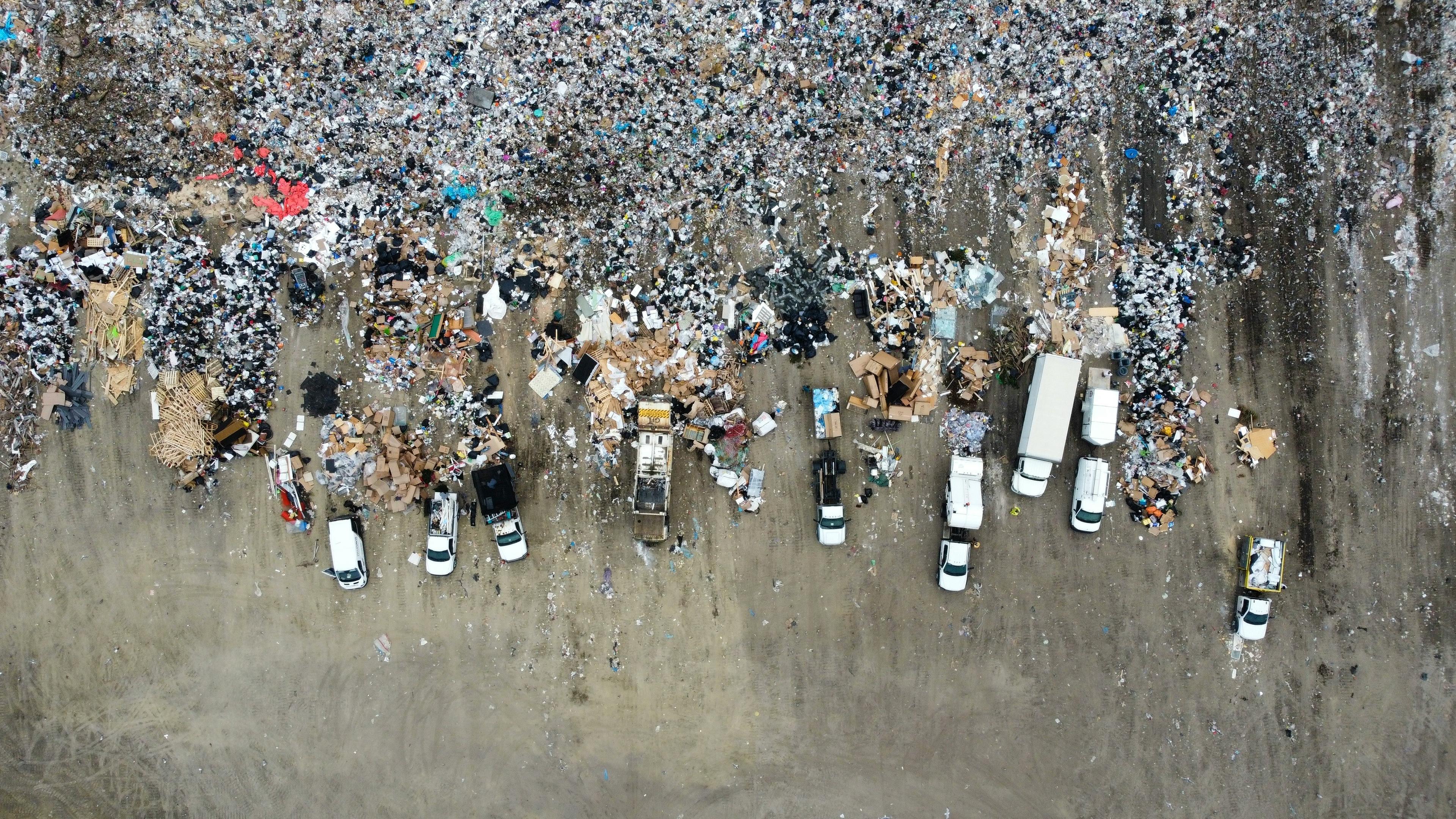
Miami-Dade operates two major landfills that handle the waste stream for one of the largest metropolitan areas in Florida. The facilities process municipal solid waste from millions of residents and businesses across the county, generating substantial volumes of methane that can be captured and converted into energy products.
By partnering with a private operator, the county aims to tap into specialized expertise in gas collection, processing, and sales without bearing the full capital cost and technical risk of developing the infrastructure independently. Such partnerships typically involve the private firm investing in the necessary equipment and handling day-to-day operations in exchange for a share of revenue generated from gas sales.
The inclusion of both landfills in the current plan expands the potential scope and profitability of the project compared to earlier iterations. Larger volumes of captured gas typically translate to better economics and more attractive terms from potential partners.
The county will now enter into formal negotiations with the selected firm to finalize contract terms, pricing structures, and operational details. These discussions will determine the revenue split, investment commitments, performance standards, and timeline for bringing the gas collection and sales operation online.
South Florida municipalities have increasingly explored renewable energy and waste-to-energy programs as part of broader sustainability initiatives and fiscal management strategies. Converting landfill gas into usable energy serves dual purposes: reducing greenhouse gas emissions that would otherwise escape into the atmosphere while generating income from an existing asset.
The negotiation phase will be critical in determining whether the partnership moves forward and under what terms Miami-Dade will operate this revenue-generating environmental program.