Griffin Commits $3 Billion for Carnegie Mellon Miami Campus
Key Takeaways
- •Ken Griffin pledged $3 billion to Carnegie Mellon for Miami campus development.
- •The new educational facility will occupy 35 acres in South Florida.
- •Griffin relocated Citadel headquarters from Chicago to Miami in 2022.
Citadel founder Ken Griffin has committed $3 billion to Carnegie Mellon University to establish a sprawling 35-acre campus in Miami, marking one of the most substantial donations to higher education in United States history.
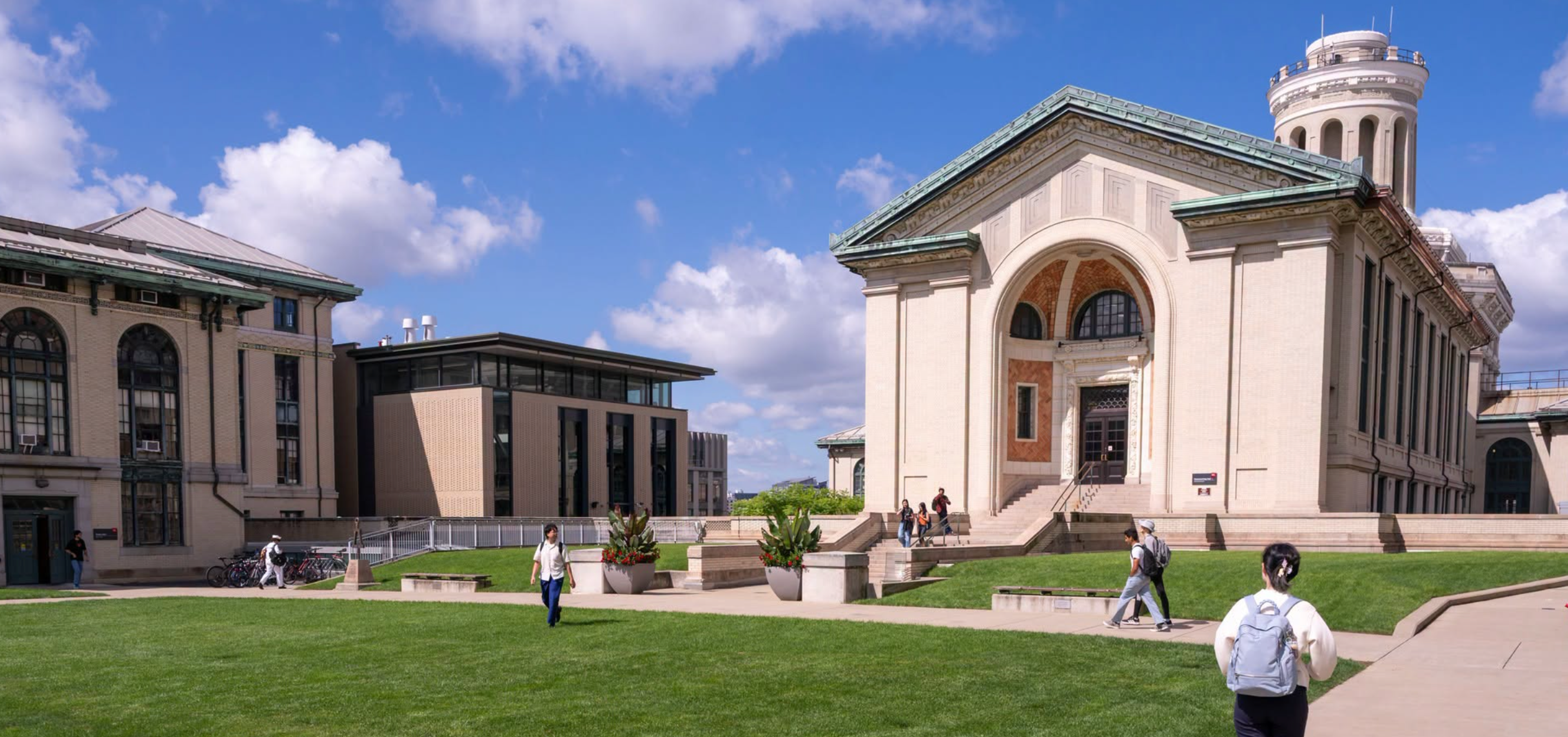
The investment will enable the Pittsburgh-based research university to expand its footprint into South Florida, creating a significant academic presence in a region that has rapidly emerged as a technology and financial services hub. The new campus will occupy 35 acres, providing substantial space for classrooms, laboratories, and research facilities.
Griffin, who relocated Citadel's headquarters from Chicago to Miami in 2022, has become one of South Florida's most influential philanthropists and business leaders. The billionaire hedge fund manager has consistently directed major charitable contributions toward educational institutions, viewing them as critical infrastructure for innovation and economic development.
Carnegie Mellon University is renowned for its computer science, engineering, and robotics programs, disciplines that align closely with Miami's growing technology sector. The establishment of a Miami campus could accelerate talent development in fields where the region has historically faced workforce shortages.
The $3 billion pledge ranks among the largest individual donations ever made to a university, joining a select group of transformative gifts that have reshaped American higher education. Such commitments typically fund not only physical infrastructure but also endowments for faculty positions, scholarships, and research initiatives.
Miami has experienced significant population and business migration over the past several years, attracting financial firms, technology companies, and high-net-worth individuals. The addition of a prestigious research university campus represents another validation of the region's transformation into a major business center.
The new campus will require substantial real estate development, creating opportunities for construction firms, architects, and related service providers. A 35-acre educational facility represents a significant land use commitment in a market where large contiguous parcels are increasingly scarce.
Carnegie Mellon's expansion follows similar moves by other academic institutions seeking to establish presences in high-growth markets. Universities increasingly view satellite campuses as strategic assets that enhance research partnerships with industry and provide students access to emerging job markets.
The timeline for campus development and student enrollment has not been disclosed, though projects of this magnitude typically require several years of planning, permitting, and construction before opening to students.