Freebee and Beep Merge to Expand Autonomous Transit
Key Takeaways
- •Freebee operates more than 300 electric vehicles completing over 2 million annual trips.
- •The merged companies have transported 10 million riders across 60 communities.
- •Beep's AutonomOS software platform manages autonomous mobility networks using AI technology.
Two Florida transportation companies announced a merger on September 16 that positions them to deliver both traditional and autonomous transit solutions to communities across the state and beyond.
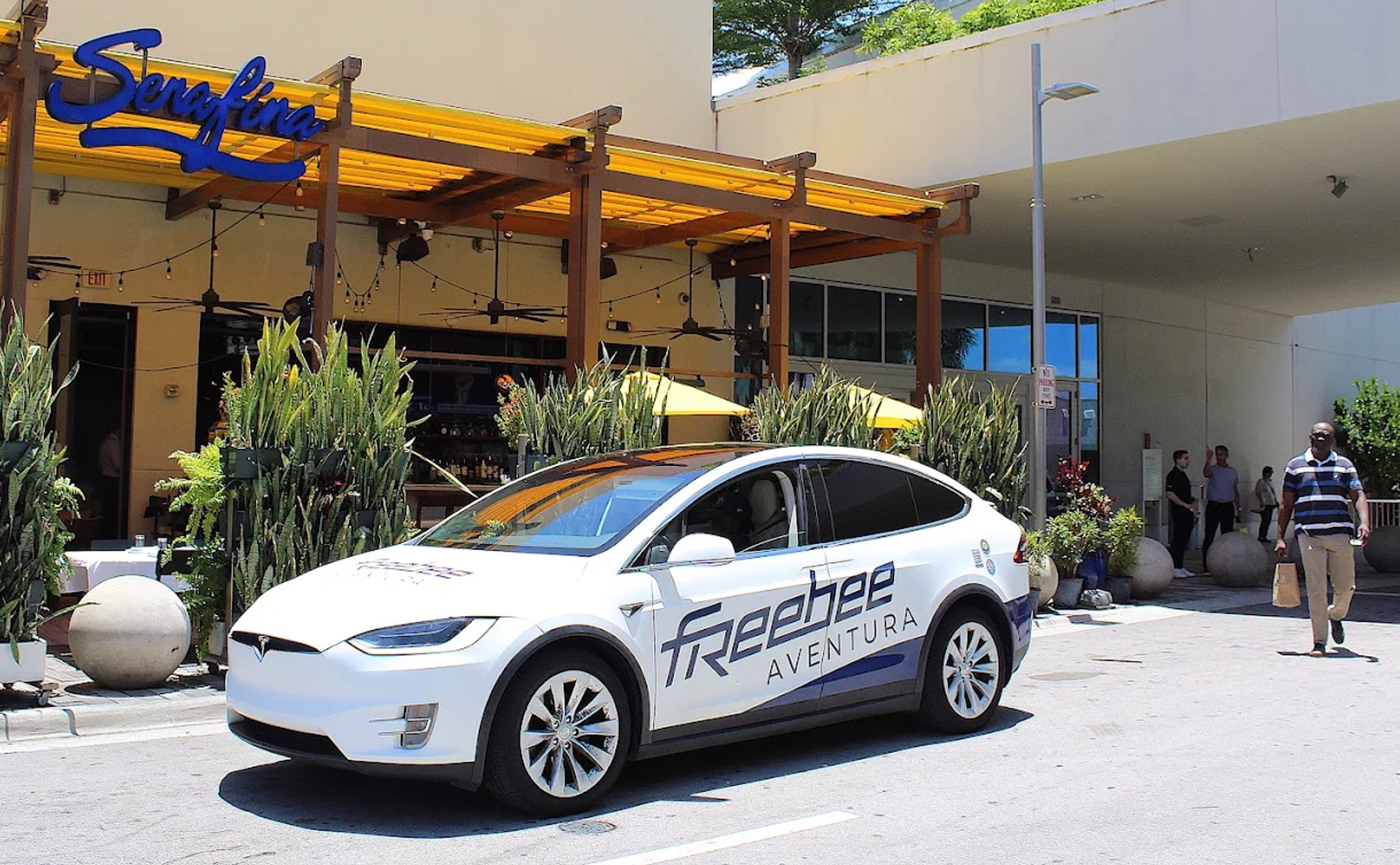
Freebee, founded in Miami in 2012, operates more than 300 all-electric vehicles that complete over 2 million trips annually. The company is joining forces with Orlando-based Beep, which launched in 2018 and specializes in autonomous vehicle operations and AI-driven fleet management software called AutonomOS. Under the deal, Beep becomes the name of the merged entity while Freebee continues as its microtransit brand.
The combination creates a company that has transported more than 10 million passengers across more than 60 communities and employs nearly 1,000 workers. Freebee co-founder Jason Spiegel explained that existing services will continue without interruption for current riders, municipal partners, campuses, and business districts.
The merger offers communities a single provider capable of delivering human-driven electric vehicles, autonomous options, or hybrid approaches depending on local needs. This flexibility addresses a common challenge for municipalities evaluating new transportation technologies without abandoning proven services already in place.
Freebee brings to the partnership an established on-demand electric vehicle network, proprietary technology systems, and relationships with dozens of municipal clients. Beep contributes its AutonomOS software platform, which manages and coordinates autonomous mobility networks, along with years of hands-on experience deploying self-driving vehicles.
Spiegel emphasized that the merger does not mandate autonomous vehicle adoption. Communities retain full control over which technologies make sense for their specific circumstances, operating environments, and policy frameworks. Any future autonomous deployment would require collaborative planning with local partners and demonstrated mobility benefits.
The combined company can now address situations where autonomous vehicles might extend service hours, increase route frequency, improve connections to existing transit systems, or help overcome workforce shortages. Conversely, some communities may determine that human-driven service remains the optimal solution.
Spiegel noted that many communities could benefit from blended models that combine both human drivers and autonomous vehicles operating through a unified platform. This approach allows gradual technology adoption without forcing immediate wholesale changes to established transit systems.
No specific communities or deployment timelines for autonomous services have been announced. The companies indicate that decisions will be made case by case based on local transportation goals and readiness for new technologies.
The Florida-based merger reflects broader industry momentum toward flexible transit solutions that accommodate both current needs and future innovations. As cities nationwide evaluate transportation modernization, having access to multiple service models through a single operator could simplify planning and implementation.