Coconut Grove Luxury Housing Scarce as Lower Tier Favors Buyers
Key Takeaways
- •Miami-Dade recorded 194 sales over $10 million through August, up 14.1% from 2025.
- •Fewer than 400 new condos will enter Coconut Grove market between 2026 and 2028.
- •Cash buyers comprised 37.8% of Miami-Dade closed sales and 50.5% of existing condos.
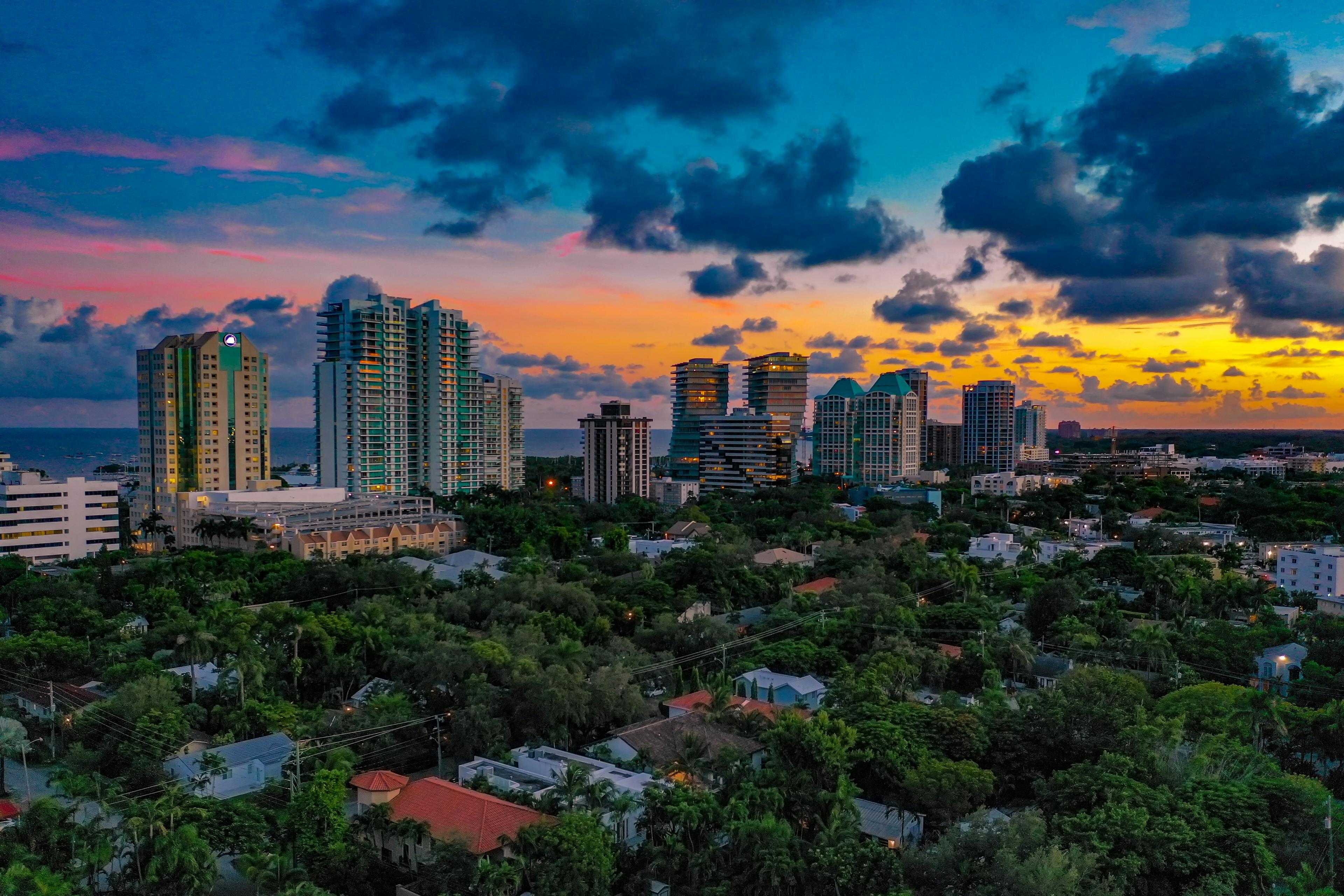
Coconut Grove's residential real estate sector is experiencing a sharp divide, with luxury properties commanding strong demand amid scarce supply while buyers gain the upper hand in the market's lower segments.
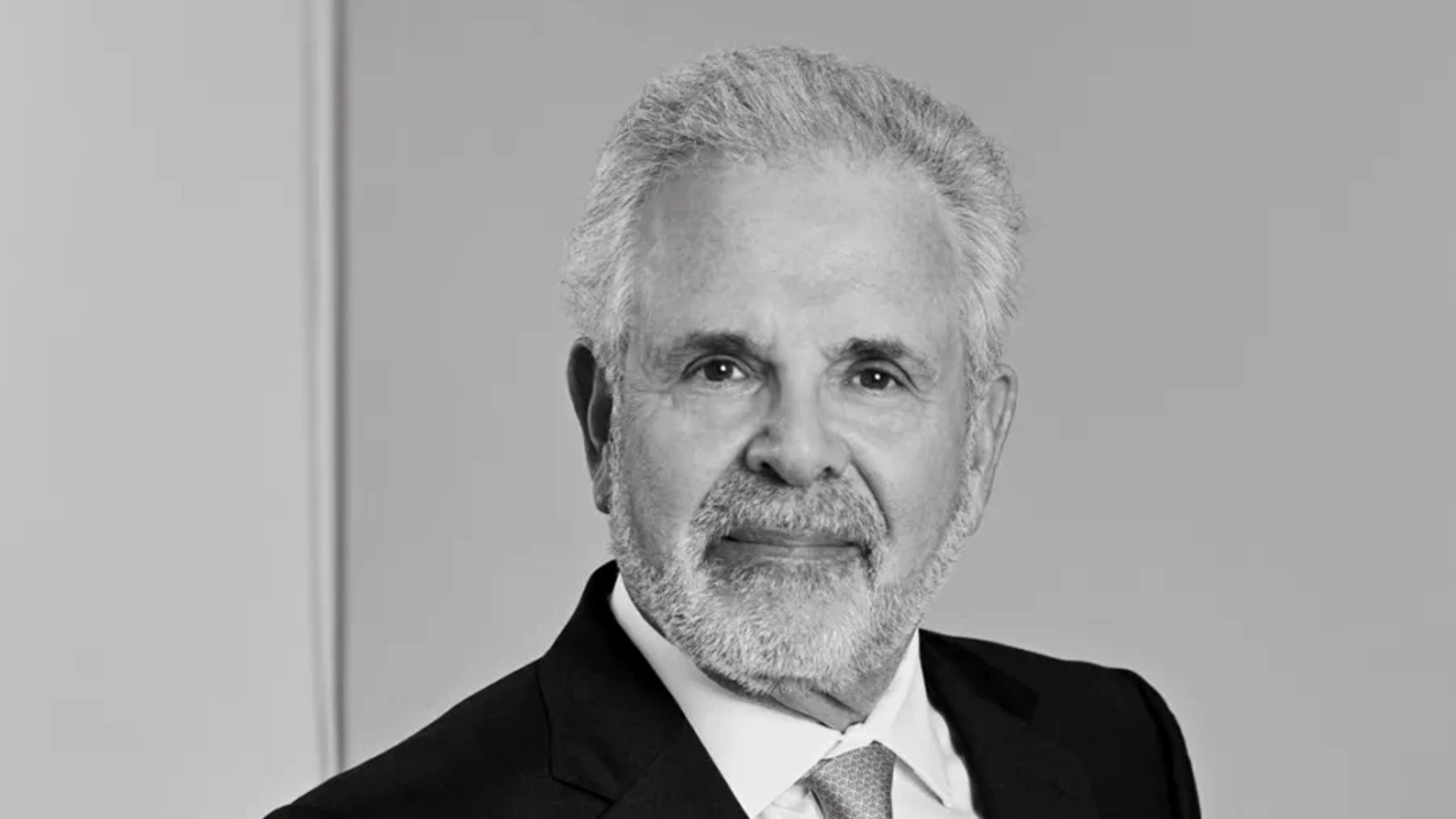
Daniel Berman, CEO and president of Mint Developers, described the current environment as "two speed markets racing at the same time." At the premium end, new construction faces intense demand with minimal inventory available to prospective buyers. Meanwhile, older residential properties offer more choices, creating favorable conditions for purchasers to negotiate.
The luxury segment's strength stands in stark contrast to broader Miami-Dade County trends. Overall home sales declined 1.1% year over year in August, with single-family transactions dropping 3.1%, according to Miami Realtors data. However, the ultra-luxury market has defied this slowdown, recording 194 sales of homes priced at $10 million or more through August. This figure already exceeds the full 2025 total by 14.1%.
Berman attributes the high-end resilience to continuing wealth migration into South Florida. Cash purchases remain prevalent across Miami-Dade, accounting for 37.8% of all closed sales in August and reaching 50.5% for existing condominium transactions. These all-cash buyers remain largely unaffected by rising mortgage rates, which have dampened activity among price-sensitive purchasers.
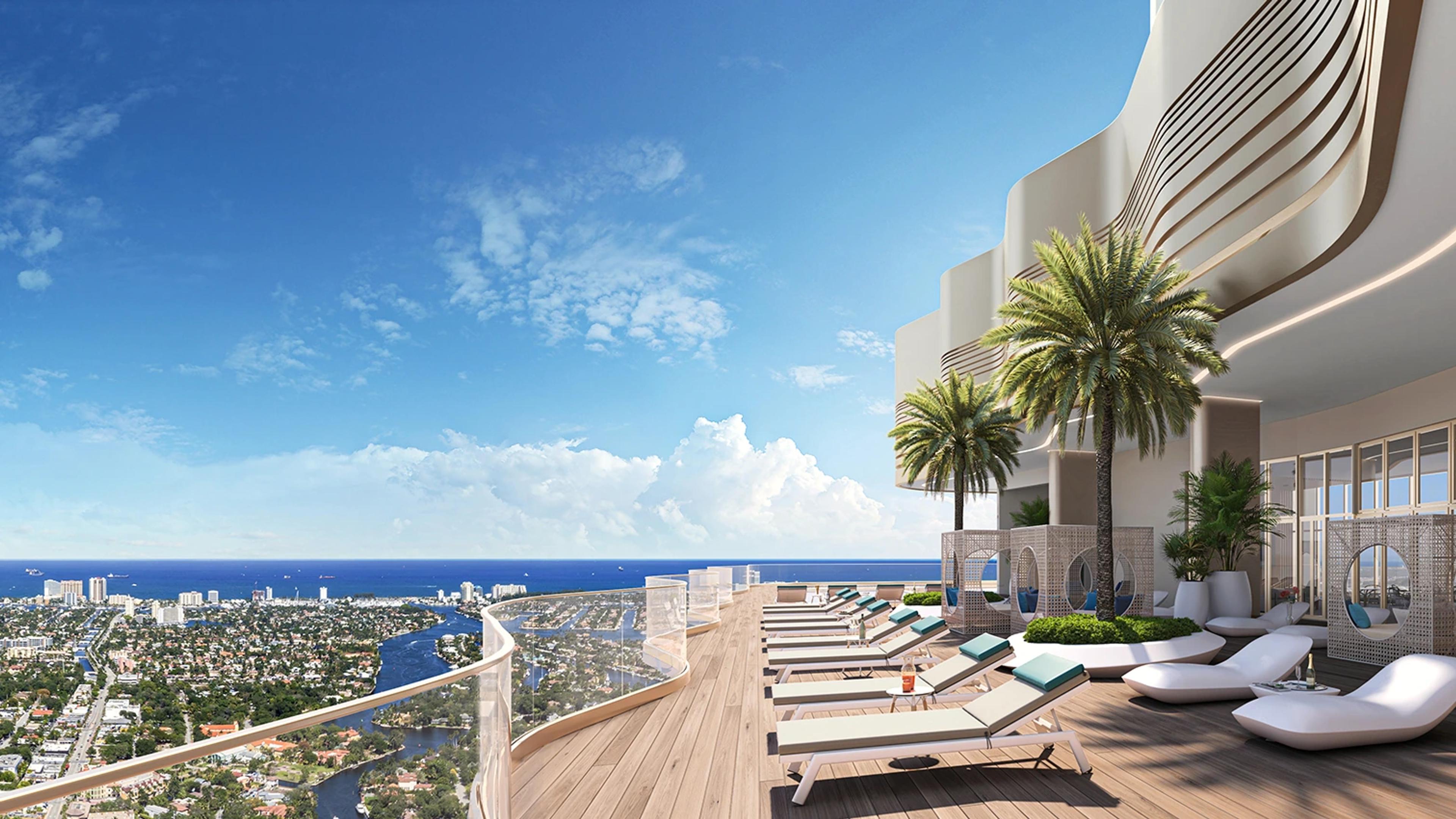
Supply constraints in Coconut Grove's new construction market appear set to persist. Fewer than 400 new condominium units are scheduled to enter the neighborhood between 2026 and 2028, according to the David Siddons Group. This limited pipeline suggests continued tight inventory conditions for buyers seeking modern residences.
Berman emphasized Coconut Grove's distinctive appeal compared to neighboring areas such as Brickell, Coral Gables and Miami Beach. The neighborhood's walkability and unique character, which he described as retaining a "hippie vibe" despite new luxury development, differentiate it within the competitive South Florida market.
Looking toward 2027, Berman expressed optimism about sustained market strength, contingent on developer discipline. He stressed the importance of maintaining pricing strategies, product quality and the neighborhood's inherent character while delivering desirable amenities and living experiences.
The bifurcated market reflects broader economic dynamics, with affluent buyers continuing to pursue premium properties while middle-market purchasers face headwinds from elevated financing costs. As inventory remains constrained at the top and abundant below, Coconut Grove exemplifies the increasingly stratified nature of South Florida's residential landscape.