South Florida Retail Vacancies Hold Below Five Percent
Key Takeaways
- •South Florida retail vacancy rates remain below 5 percent threshold.
- •Tight market conditions reflect strong tenant demand across the region.
- •Performance defies earlier predictions of pandemic-driven retail sector decline.
South Florida's retail real estate market is demonstrating exceptional strength, maintaining vacancy rates below the 5 percent threshold despite lingering concerns about the sector's viability in the post-pandemic era.
The sub-5 percent vacancy figure represents a remarkably tight market condition, indicating strong tenant demand and minimal available space across the region's retail properties. This performance stands in stark contrast to the widespread predictions earlier in the decade that e-commerce growth and changing consumer behaviors would devastate physical retail locations.
The resilient vacancy rates reflect South Florida's broader economic momentum, driven by population growth, rising household incomes, and sustained tourism activity. The region has attracted substantial domestic migration in recent years, creating expanded consumer bases that support retail operations ranging from neighborhood shopping centers to major retail destinations.
Retail landlords across Miami-Dade, Broward, and Palm Beach counties have benefited from the influx of national and regional tenants seeking presence in high-growth markets. The tight vacancy conditions have also provided leverage for property owners in lease negotiations, supporting rental rate growth and improving overall property performance metrics.
The strength in South Florida retail comes as traditional brick-and-mortar retailers have adapted their strategies, increasingly viewing physical locations as critical components of omnichannel approaches rather than standalone sales venues. Many retailers now use stores for order fulfillment, product returns, and experiential shopping that cannot be replicated online.
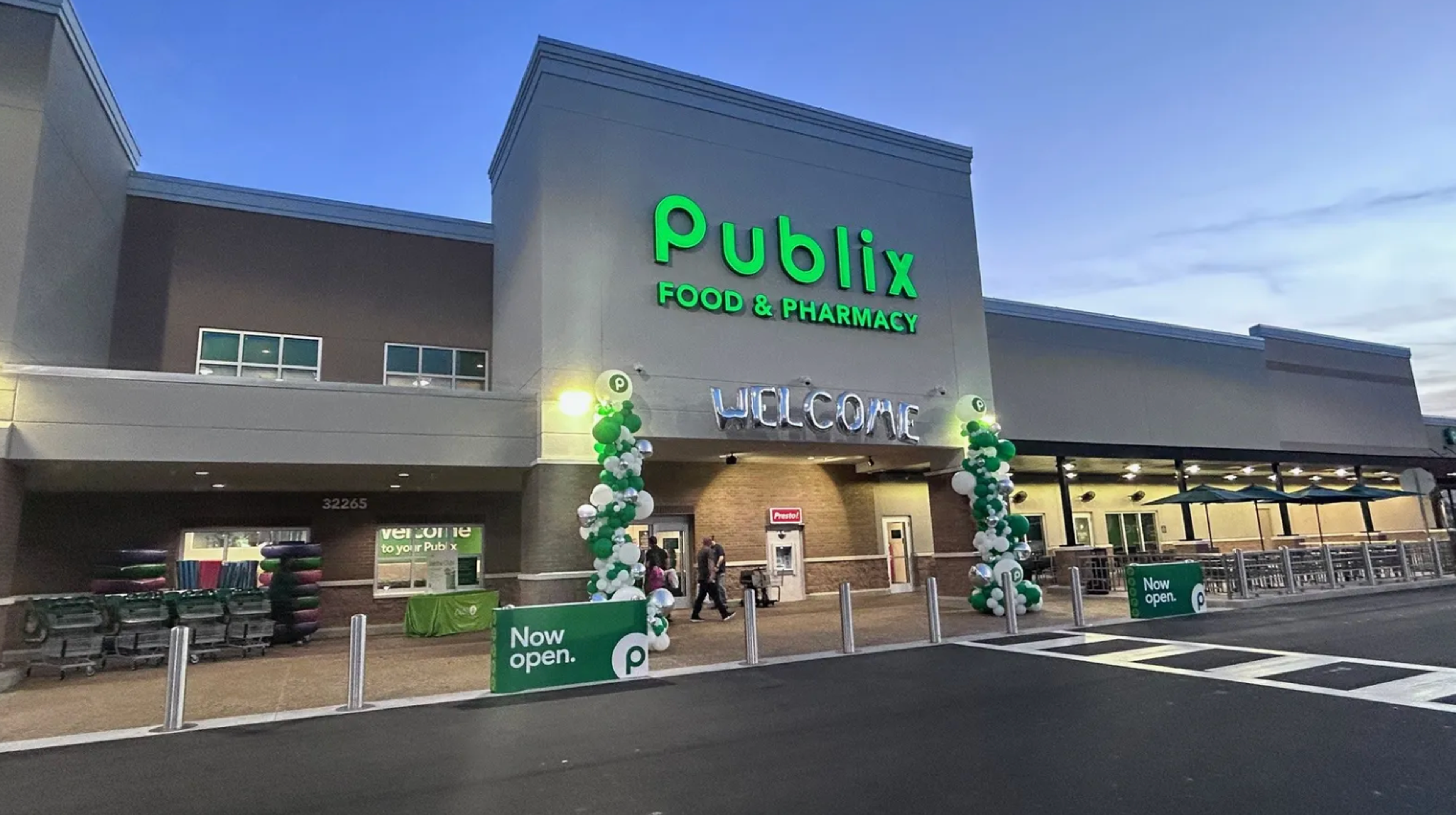
Grocery-anchored centers have performed particularly well, with essential retail maintaining steady foot traffic throughout economic cycles. The region's demographic diversity also supports specialty retail concepts serving specific cultural communities, adding another layer of resilience to the market.
Investors have taken notice of South Florida's retail fundamentals, with transaction activity reflecting confidence in the sector's durability. The combination of low vacancies, growing rental income, and population tailwinds has made retail properties in the region attractive compared to markets facing higher vacancy pressures and economic uncertainty.
The performance also reflects successful repositioning efforts by landlords who have upgraded properties, reconfigured tenant mixes, and added experiential elements like restaurants and entertainment options to drive traffic. These enhancements have helped traditional retail centers compete effectively in an evolving consumer landscape.
Looking ahead, South Florida's retail market appears positioned to maintain its strength, supported by continuing population growth and the region's appeal as a business and lifestyle destination. The sub-5 percent vacancy threshold typically indicates a landlord-favorable environment where limited supply supports pricing power and stable operations.