Palm Beach County Hits Pause on Data Center Projects
Key Takeaways
- •Palm Beach County paused new data center applications to assess infrastructure impacts.
- •Data centers consume electricity equivalent to thousands of homes and require substantial water.
- •South Florida has become a strategic hub for technology infrastructure serving Latin America.
Palm Beach County has become one of the first jurisdictions in South Florida to pump the brakes on data center development, implementing a temporary pause on new applications as officials assess the impact of these energy-intensive facilities.
The moratorium represents a significant policy intervention in a region that has aggressively courted technology infrastructure investment. Data centers, which house the servers and computing equipment that power cloud services and artificial intelligence applications, have become increasingly attractive to developers seeking locations with favorable tax treatment and connectivity advantages.
South Florida has emerged as a critical hub for data infrastructure in recent years, benefiting from its position as a gateway to Latin America and its direct fiber optic connections to the Caribbean and South American markets. The region's tropical climate, however, presents cooling challenges for facilities that generate substantial heat and require constant temperature regulation.
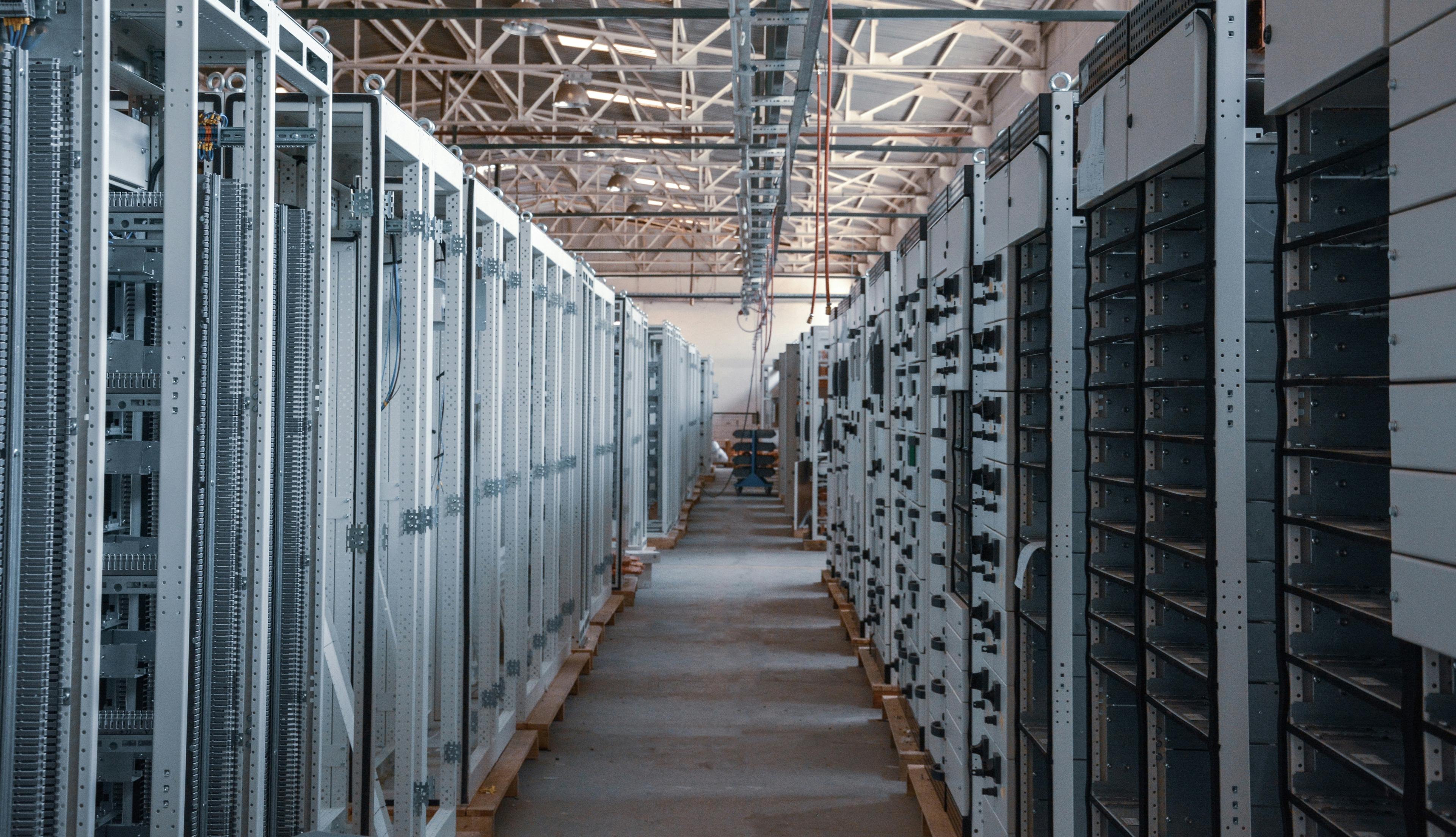
The pause allows county officials to evaluate the cumulative impact of data center proliferation on local power grids, water resources, and surrounding communities. These facilities typically consume massive amounts of electricity, often equivalent to the power needs of thousands of homes, placing unprecedented demands on utility infrastructure.
Environmental considerations also factor into the decision. Data centers require significant water supplies for cooling systems, and their energy consumption contributes to carbon emissions unless powered by renewable sources. As counties across Florida grapple with climate resilience and sea level rise, the addition of high-demand industrial users complicates long-term planning.
The timing of Palm Beach County's action coincides with a national conversation about data center locations. Northern Virginia, the world's largest data center market, has faced similar debates about capacity limits and environmental trade-offs. Other markets including Phoenix and Atlanta have implemented new requirements for water efficiency and renewable energy commitments.
Real estate developers and technology companies have increasingly viewed Florida as an attractive alternative to saturated markets in the Mid-Atlantic and West Coast. The state offers competitive electricity rates, no personal income tax for executives relocating operations, and a business-friendly regulatory environment that has historically moved projects through approval processes quickly.
The pause does not affect data centers already under construction or those with approved permits. County commissioners are expected to use the interim period to develop comprehensive guidelines that balance economic development opportunities with infrastructure capacity and community concerns. Industry observers anticipate that any resulting regulations could set precedents for neighboring counties considering similar measures as development pressure intensifies across the region.