
Miami-Dade Transit Ridership Climbs 7.6% in June
Key Takeaways
- •Miami-Dade transit ridership increased 7.6% in June 2026 versus June 2025.
- •Metromover posted the largest gain at 54.1% over the previous June.
- •New South Dade Bus Rapid Transit service carried 163,868 rides in June.
Miami-Dade County's public transit system posted strong ridership gains in June 2026, with passenger trips increasing 7.6% compared to June 2025, signaling a recovery after a difficult spring.
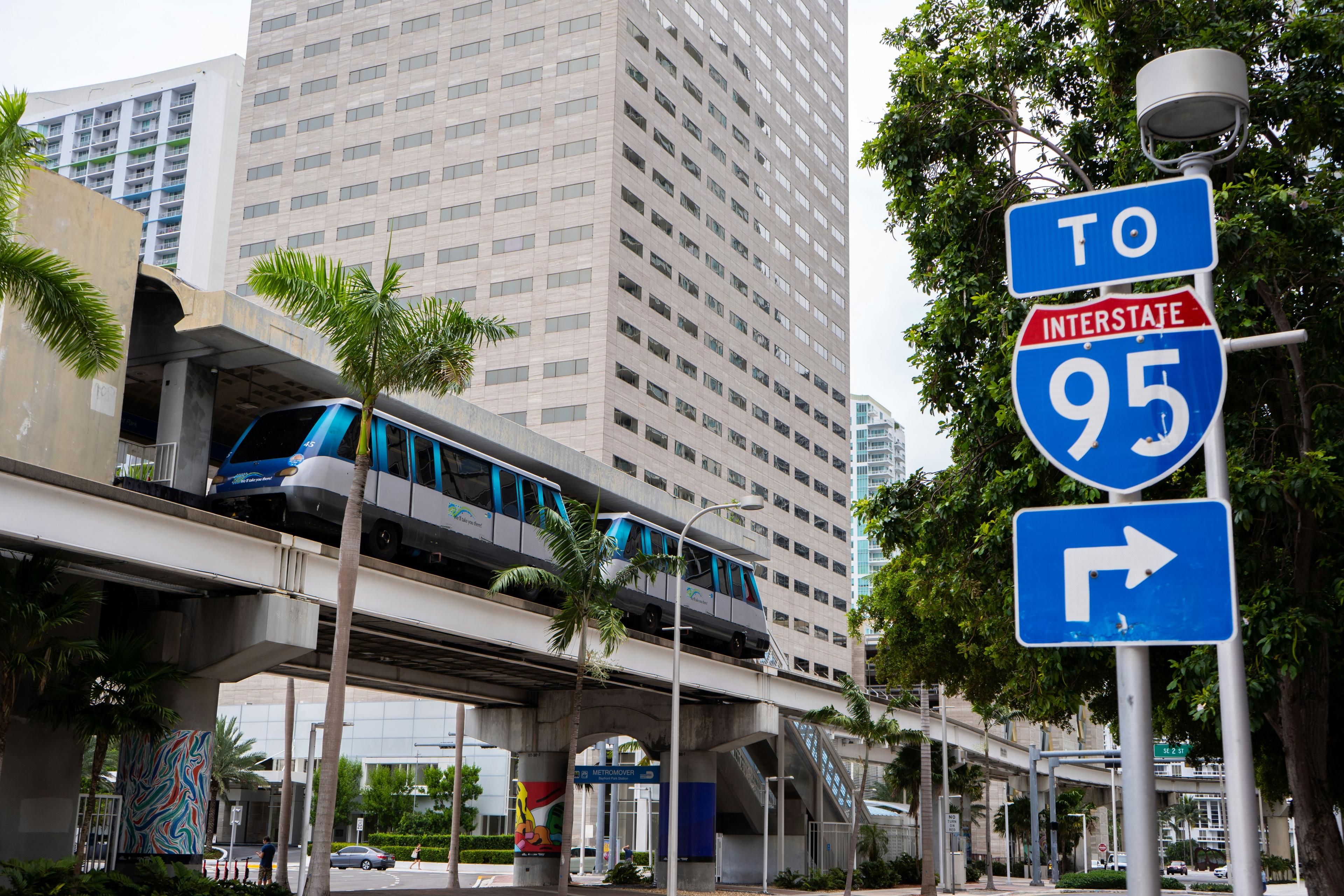
The county's Metromover led the surge with a remarkable 54.1% increase in ridership over the same month last year. Metrorail also performed well, recording an 8.4% gain in passenger trips compared to June 2025.
Bus ridership showed modest growth of 0.6%, but that figure masks an important shift in the county's transit landscape. The South Dade Bus Rapid Transit service, which launched after June 2025, carried 163,868 rides during the month. Without this new BRT service, traditional bus ridership would have fallen 3.2%, indicating ongoing challenges in conventional bus operations.
The June performance represents a significant turnaround from May 2026, when the entire transit system lost 5.6% of its passenger trips. Despite the recent gains, however, the system's total June ridership of 6,634,543 trips remained approximately 550,000 trips below the October 2025 level, which marked the first month of the county's current fiscal year.
The Citizens' Independent Transportation Trust is expected to address the South Corridor Transitway's performance this week, with plans to monitor operations toward achieving Gold Standard BRT certification from the Institute for Transportation Development and Policy. This global certification represents the highest level of Bus Rapid Transit service quality.
When county officials approved BRT instead of rail service for the transitway, they committed to pursuing Gold Standard certification. The rating system evaluates factors including dedicated right of way, busway alignment, off-board fare collection, intersection treatments and platform-level boarding. The South Corridor system meets many of these requirements but currently provides buses priority over crossing automobile traffic only during limited hours each weekday, which may complicate certification efforts.
The transit authority has not yet formally applied for the certification despite having the infrastructure in place. The trust's strategic objectives for the year now explicitly include monitoring the transitway to ensure it meets the standards necessary for Gold certification.
Miami-Dade's transit performance comes as urban areas nationwide work to recover ridership lost during the pandemic years. The county operates an integrated system of Metrorail heavy rail, Metromover automated people mover, and bus services including the new BRT routes designed to provide faster, more reliable service than traditional buses.
The June ridership data suggests that newer transit options like the South Dade BRT are attracting riders, while traditional bus services face headwinds. Transit officials will likely study these patterns as they plan future service expansions and modifications.