University of Miami Pushes Cross-Disciplinary Research Expansion
Key Takeaways
- •Provost Joel Samuels completed his first year leading University of Miami's academic strategy.
- •University plans expanded interdisciplinary partnerships across research and educational programs.
- •New career services model will support students from admission throughout professional lives.
The University of Miami is accelerating efforts to expand interdisciplinary research and academic programs as it enters what administrators call its next phase of institutional development.
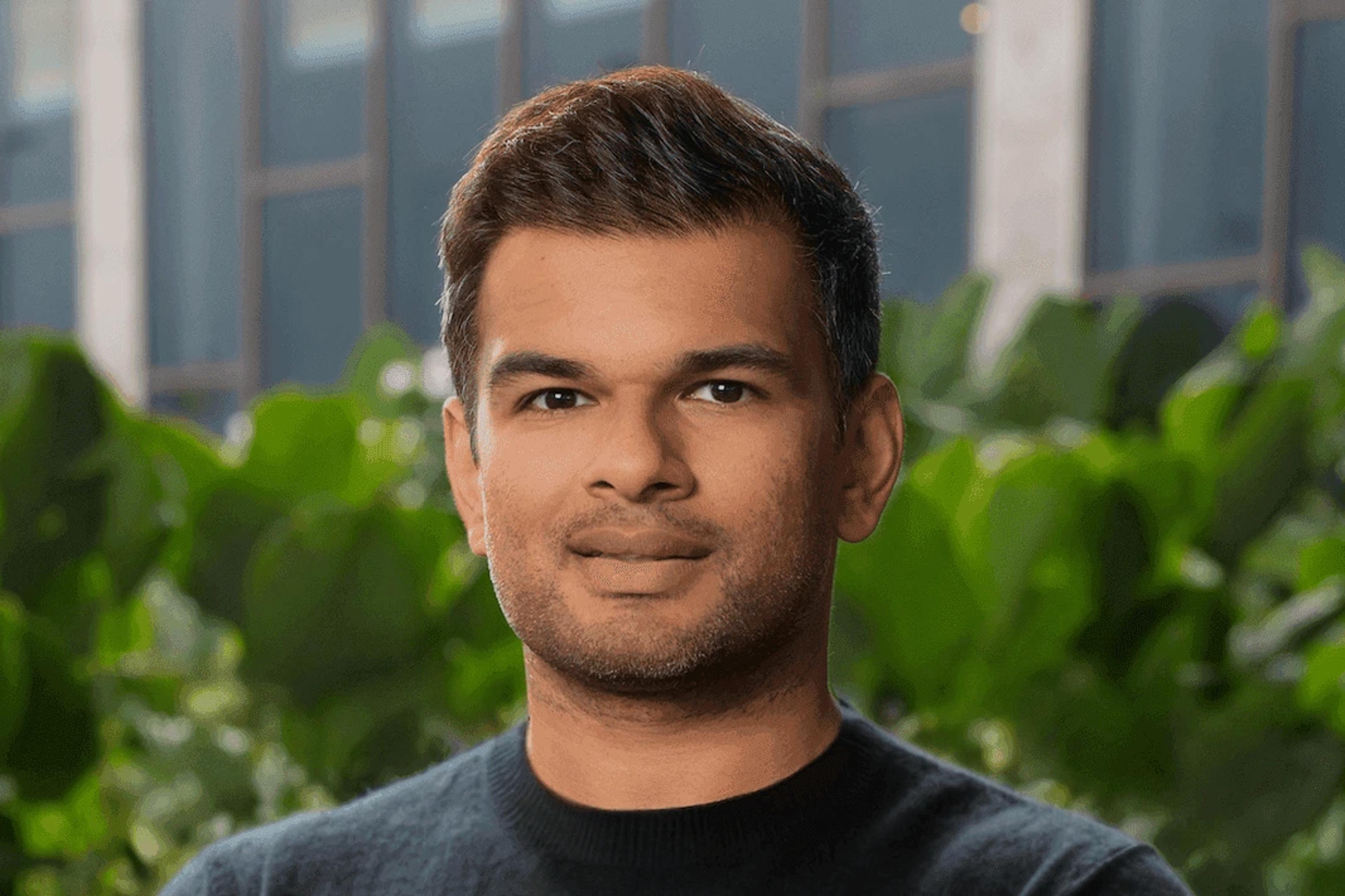
Provost Joel Samuels, who recently completed his first year at the university, said the institution is positioned to build on recent investments across three core areas: student development, research initiatives, and patient care. The strategy centers on breaking down traditional academic divisions to address complex challenges that cannot be solved within single disciplines.
The university plans to establish more interdisciplinary and transdisciplinary partnerships throughout the institution, spanning both research activities and undergraduate and graduate education programs. Samuels pointed to coral reef protection and disease treatment research as examples requiring collaboration across multiple fields of expertise.
Miami's evolution as a hub for innovation, entrepreneurship, health care, and international engagement creates natural opportunities for research collaborations and industry partnerships, according to Samuels. The geographic positioning allows the university to leverage regional strengths in solving global problems.
A major institutional focus involves preparing students for careers that will likely transform significantly during their professional lives. Advances in artificial intelligence and other technologies are prompting universities nationwide to reconsider graduation requirements and curriculum design.
Samuels emphasized that while students still need strong communication, critical thinking, and reasoning abilities along with field-specific expertise, they must also develop adaptability as technology evolves. He noted that current students are digital natives who will graduate as AI natives, requiring preparation not just for today's technology but for future innovations.
The university is rethinking its entire career services model to support students from admission through their professional lives, rather than focusing solely on immediate post-graduation employment. This approach includes internships, fellowships, and classroom experiences designed to build long-term career resilience.
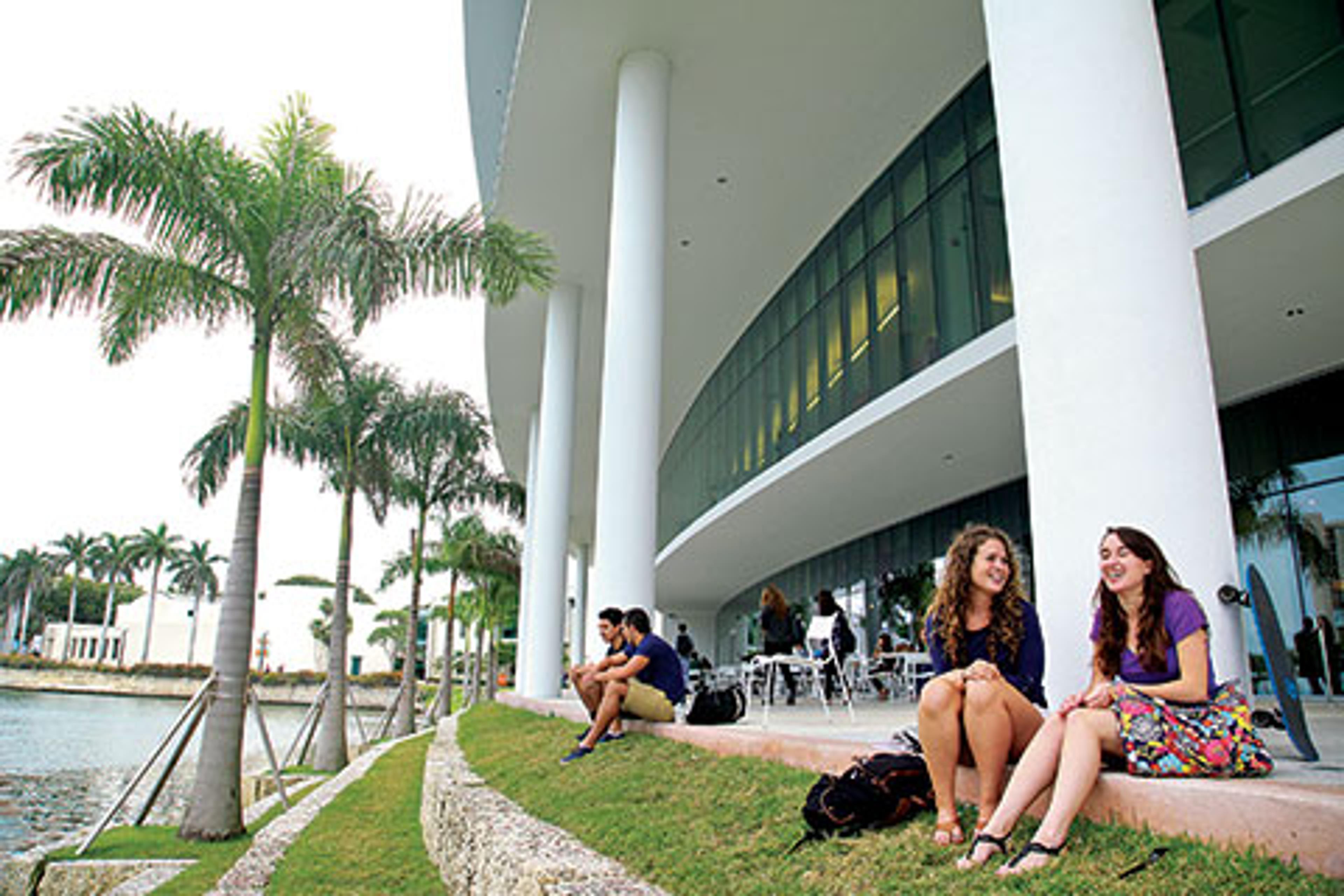
Adaptability training extends beyond academic coursework into student life and residential programs, creating an integrated experience throughout campus activities. The university aims to embed flexibility and cross-disciplinary thinking into every aspect of student development.
The institutional strategy reflects broader trends in higher education as universities respond to rapid technological change and evolving workforce demands. Traditional academic silos are increasingly viewed as obstacles to solving complex problems requiring integrated expertise from multiple fields.
Samuels indicated that the university's investments in excellence across students, research, and patient care have positioned the institution for continued growth in these strategic areas.