Trump Retains Mar-a-Lago Helipad for Emergency Use Only
Key Takeaways
- •Palm Beach approved Trump's helipad for emergency use only after presidency.
- •First violation fine starts at $15,000, increasing by $10,000 per offense.
- •Mar-a-Lago security zone property sales totaled over $118 million last year.
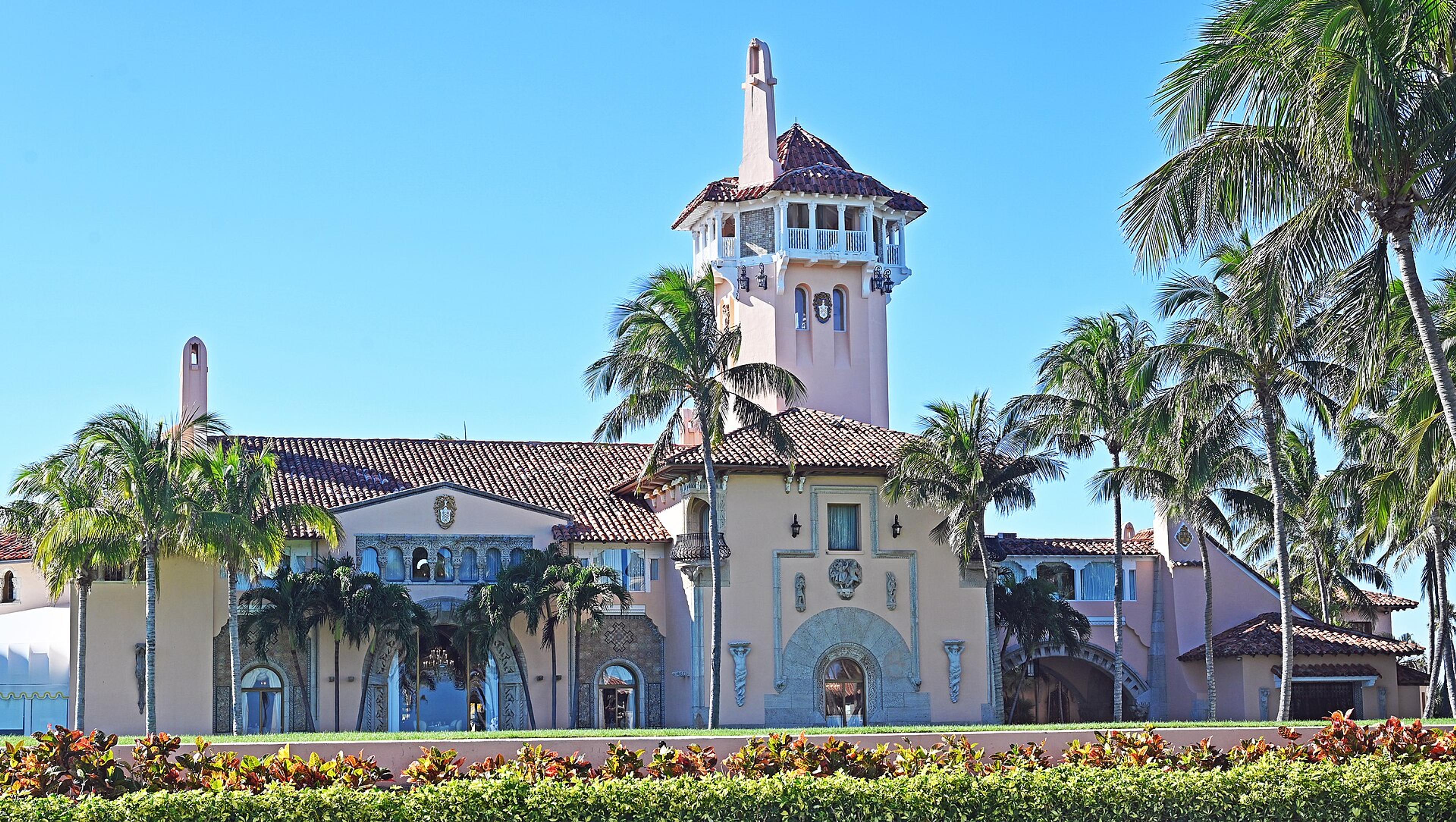
Palm Beach Town Council has granted approval for Donald Trump to retain the helicopter landing pad at his Mar-a-Lago estate after his presidency concludes, marking the end of another dispute between the former president and local officials.
The U.S. Secret Service initially requested to reinstall the helipad last year and sought permanent status in April. Council members approved the request Tuesday despite concerns about potential noise issues and unauthorized helicopter traffic at the private club.
Under the new agreement, the helipad's use will be strictly limited to emergency situations once Trump's presidential term ends. Mar-a-Lago guests and private club members will be prohibited from accessing the landing pad. Violations carry substantial financial penalties, with the first offense costing $15,000 and each subsequent violation increasing by $10,000.
Palm Beach Mayor Danielle Moore noted during April discussions that Trump utilized the helipad only twice during his initial presidential term. Her primary concern centered on preventing the facility from becoming a regular heliport that could generate significant helicopter traffic beyond the town's control capacity.
Councilwoman Julie Araskog emphasized that the agreement prioritizes presidential security while protecting the community from potential disruptions the helipad might cause.
This resolution continues Trump's lengthy history of conflicts with Palm Beach authorities dating back to the 1980s when he purchased the estate. In 1985, he filed a lawsuit against the town regarding airport noise and expansion plans, which was eventually settled when the county agreed to lease land to Trump.
A notable 2006 dispute arose over a massive American flag Trump installed on Mar-a-Lago's front lawn, resulting in daily fines of $250 that accumulated to $120,000. Trump initially ignored the penalties and filed a $25 million lawsuit against the city, calling Palm Beach unpatriotic. He later dropped the lawsuit, and the town waived the accumulated fines.
Trump's legal battles with local authorities continued in 2015 when he sued Palm Beach County for $100 million, alleging the airport director deliberately routed flights over Mar-a-Lago. He voluntarily withdrew that lawsuit in 2016.
The Mar-a-Lago area has emerged as a significant real estate market, with property sales within the estate's security zone reaching over $118 million last year. The Trump administration leased three Palm Beach houses in the vicinity, and former White House aide Tony Sayegh purchased a home in the security zone for $17.1 million in May.
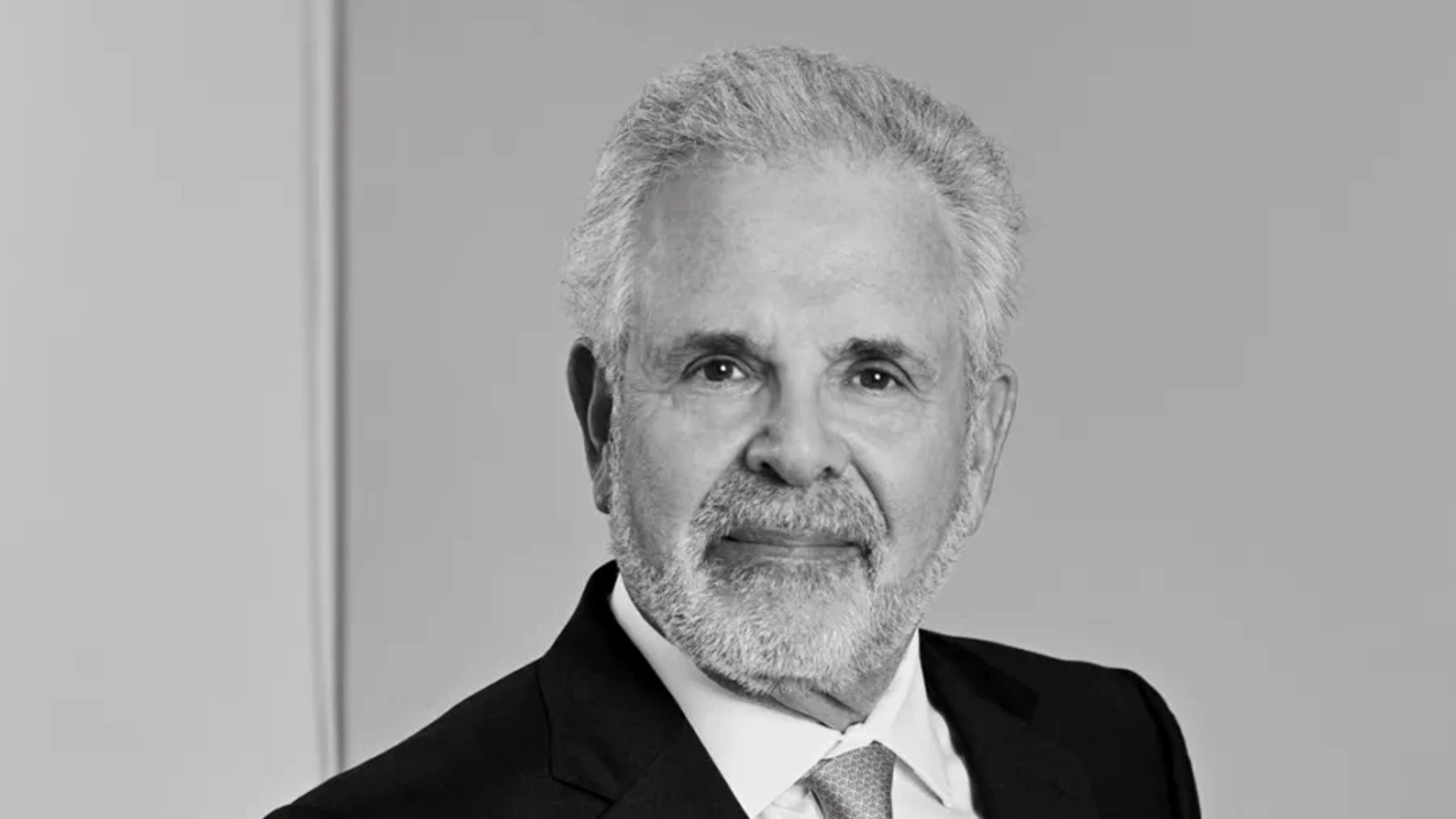
Mar-a-Lago attorney Harvey Oyer successfully negotiated the terms of this latest arrangement between Trump and Palm Beach County officials.