South Florida Office Vacancy Drops as Miami Becomes the Nation's Relocation Market
Class A office space in Miami-Dade is tightening fast as major firms from Wall Street and Silicon Valley lock in long-term leases across Brickell, Coconut Grove, and the Design District.
For years, Miami's office market played second fiddle to its residential boom. That dynamic is shifting rapidly. Class A office vacancy in Miami-Dade dropped to 8.3% in Q1 2026, marking the lowest rate in over 15 years and placing Miami among the tightest office markets in the country.
The driving force is corporate relocation. Since 2021, more than 75 financial services, technology, and venture capital firms have either opened or expanded offices in South Florida, bringing thousands of high-income jobs and reshaping the region's commercial real estate landscape.
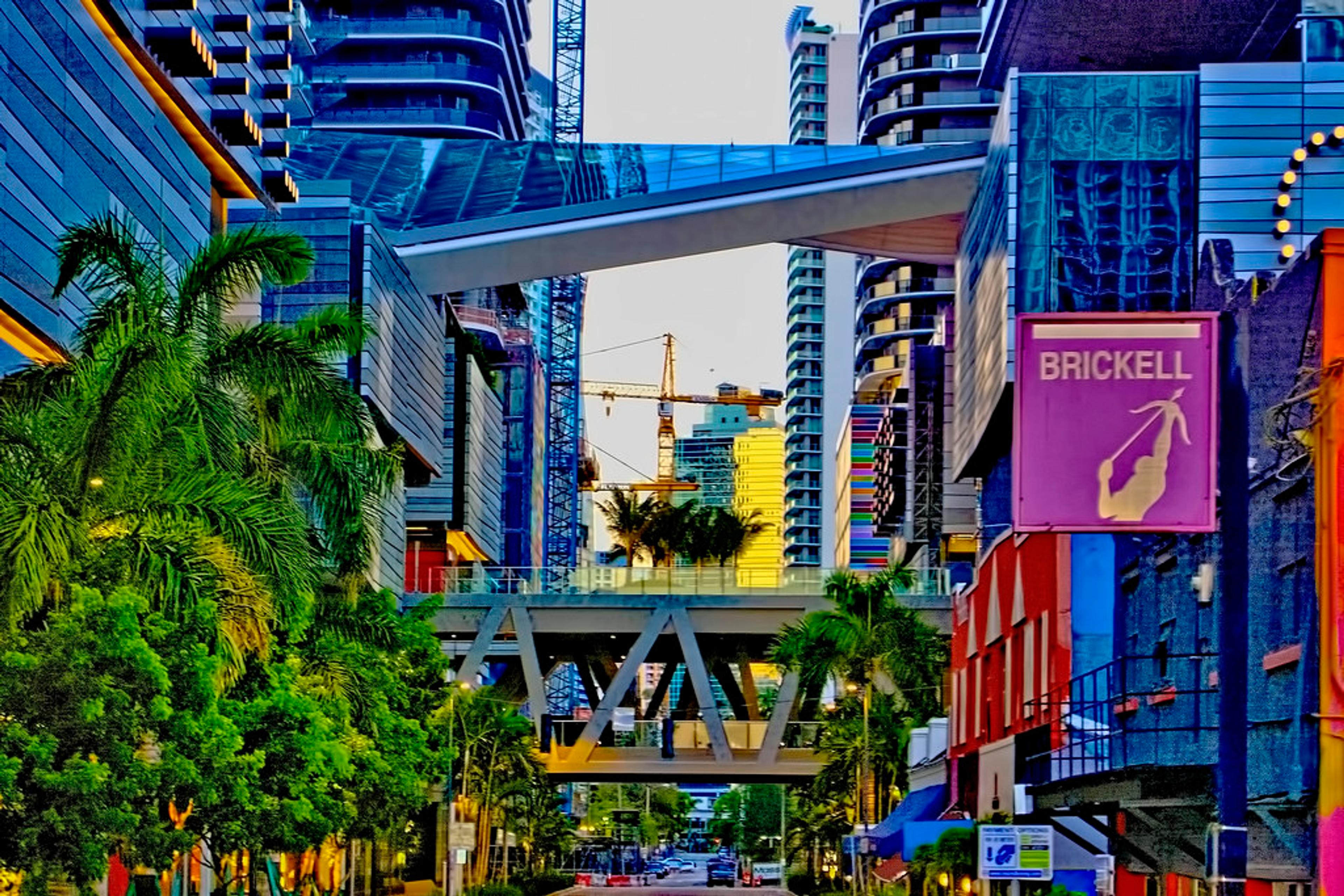
Brickell: The Wall Street of the South
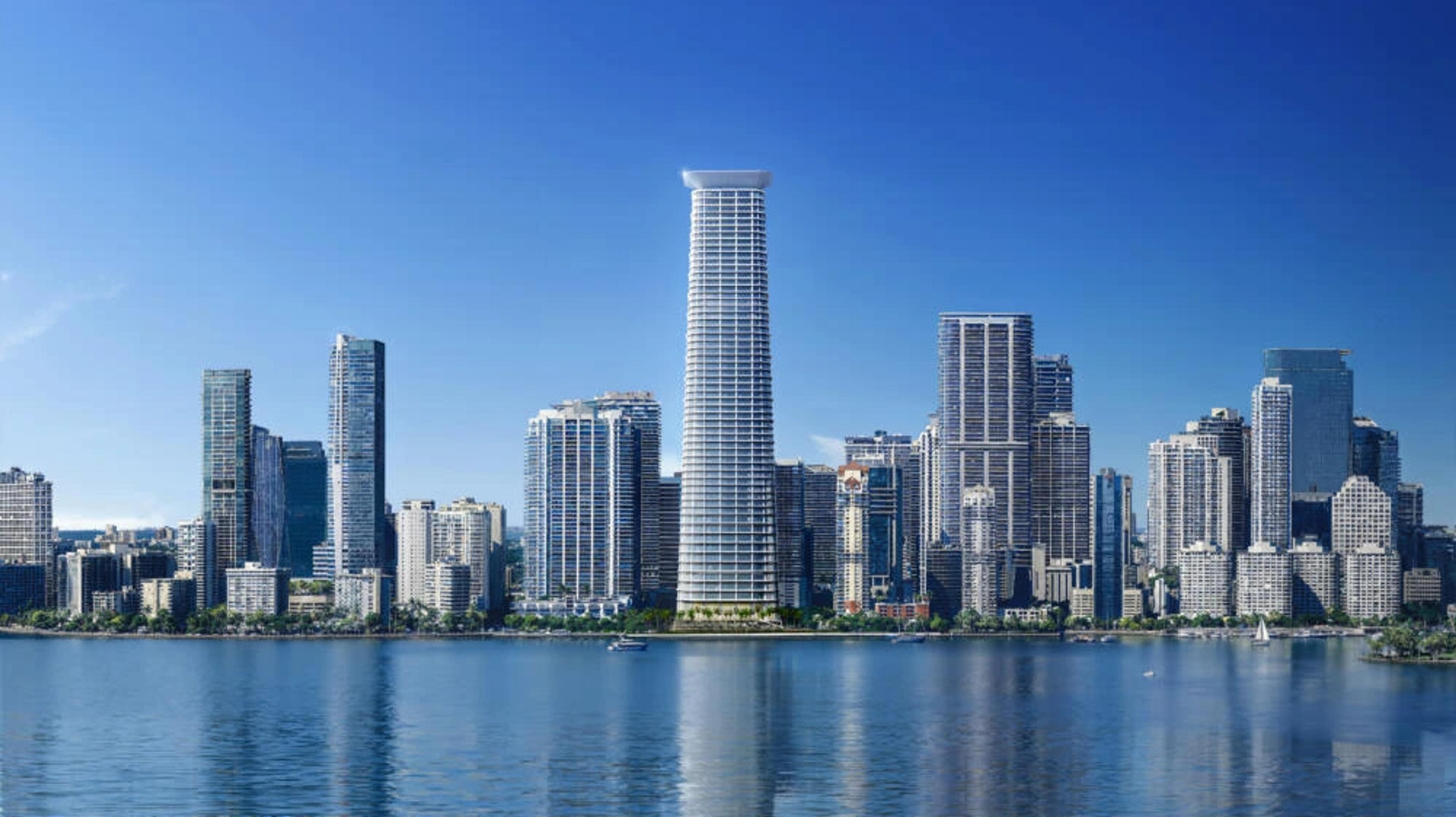
Brickell Financial District has absorbed the bulk of demand. 830 Brickell, the neighborhood's newest trophy tower, reached 92% occupancy within months of opening — an almost unheard-of pace in commercial real estate.
Tenants include Citadel, which relocated its global headquarters from Chicago, as well as hedge funds, private equity shops, and family offices that previously operated exclusively out of New York and Greenwich.
"The leasing velocity we're seeing in Brickell rivals what Midtown Manhattan was doing in the early 2010s," said David Torres, managing director at JLL South Florida. "Except here, rents are still 40% below comparable Manhattan product."
Beyond Brickell: Coconut Grove and the Design District
The spillover is reaching neighborhoods that were never traditional office hubs. Coconut Grove has attracted boutique tech firms and creative agencies drawn to its walkability and village atmosphere. Lease rates in the Grove jumped 28% year-over-year.
The Design District is emerging as a preferred address for media, fashion, and venture capital firms seeking a more curated environment. New office-retail hybrid buildings are in the pipeline, with developers betting that the neighborhood's brand cachet will command premium rents.
The Talent Question
The biggest challenge for companies making the move is talent. While Miami's population is growing faster than any other major U.S. metro, the local talent pool in specialized fields like quantitative finance and enterprise software still lags behind New York and San Francisco.
To bridge the gap, several firms are partnering with Florida International University and the University of Miami on accelerated training programs and internship pipelines. Others are offering relocation packages to bring key employees south.
What Comes Next
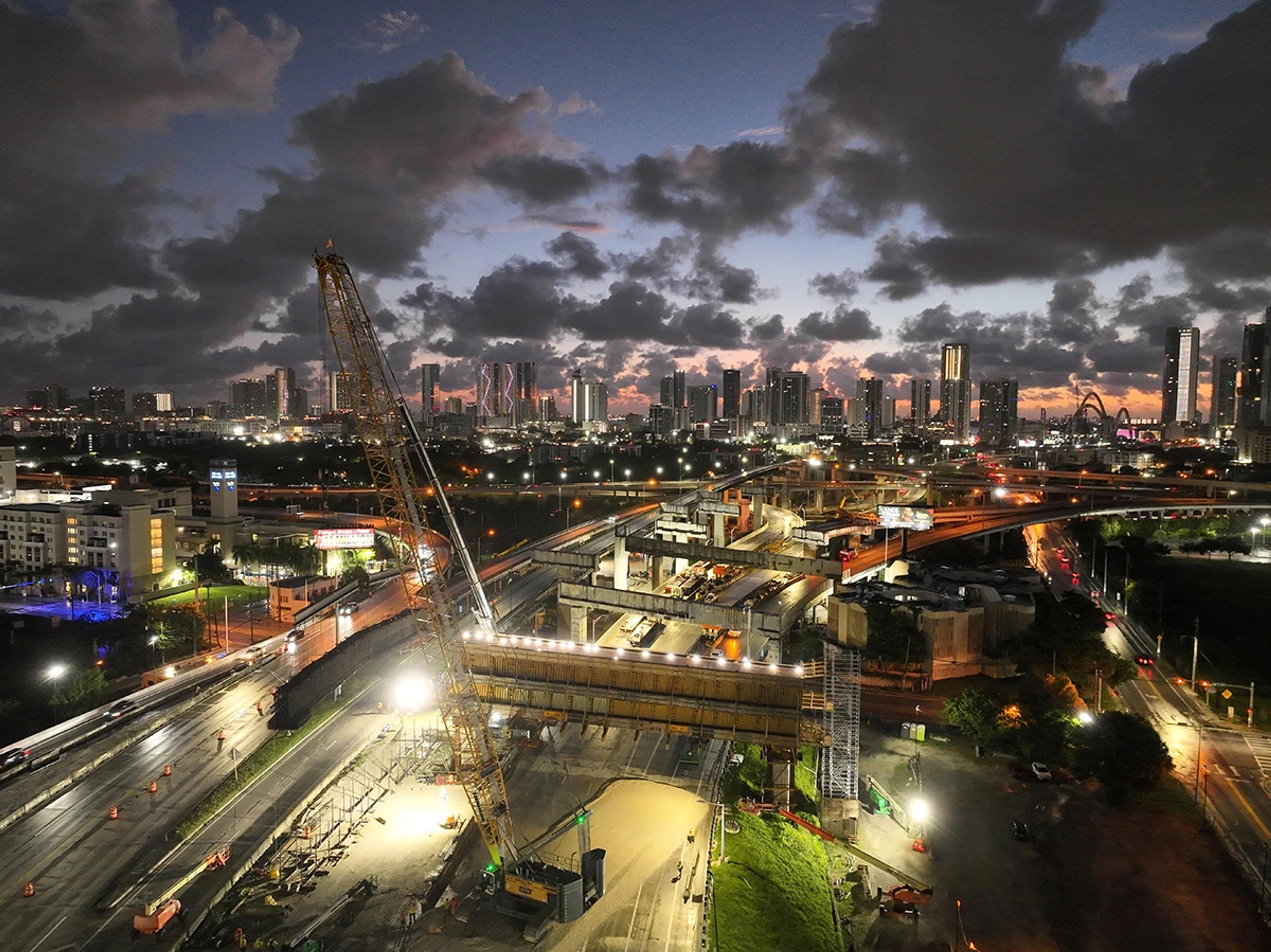
Developers are responding to demand with over 3.5 million square feet of new office space currently under construction or in planning across Miami-Dade. But with permitting timelines stretching and construction costs elevated, most new supply won't hit the market until late 2027 or 2028.
In the meantime, expect rents to keep climbing. Brokers say tenants who hesitate on available spaces are losing them within weeks — a stark contrast to the sluggish office markets still plaguing cities like San Francisco and Chicago.
Miami's transformation from a vacation destination to a serious corporate city is no longer a projection. It is the reality landlords, tenants, and investors are pricing in today.
Tags