
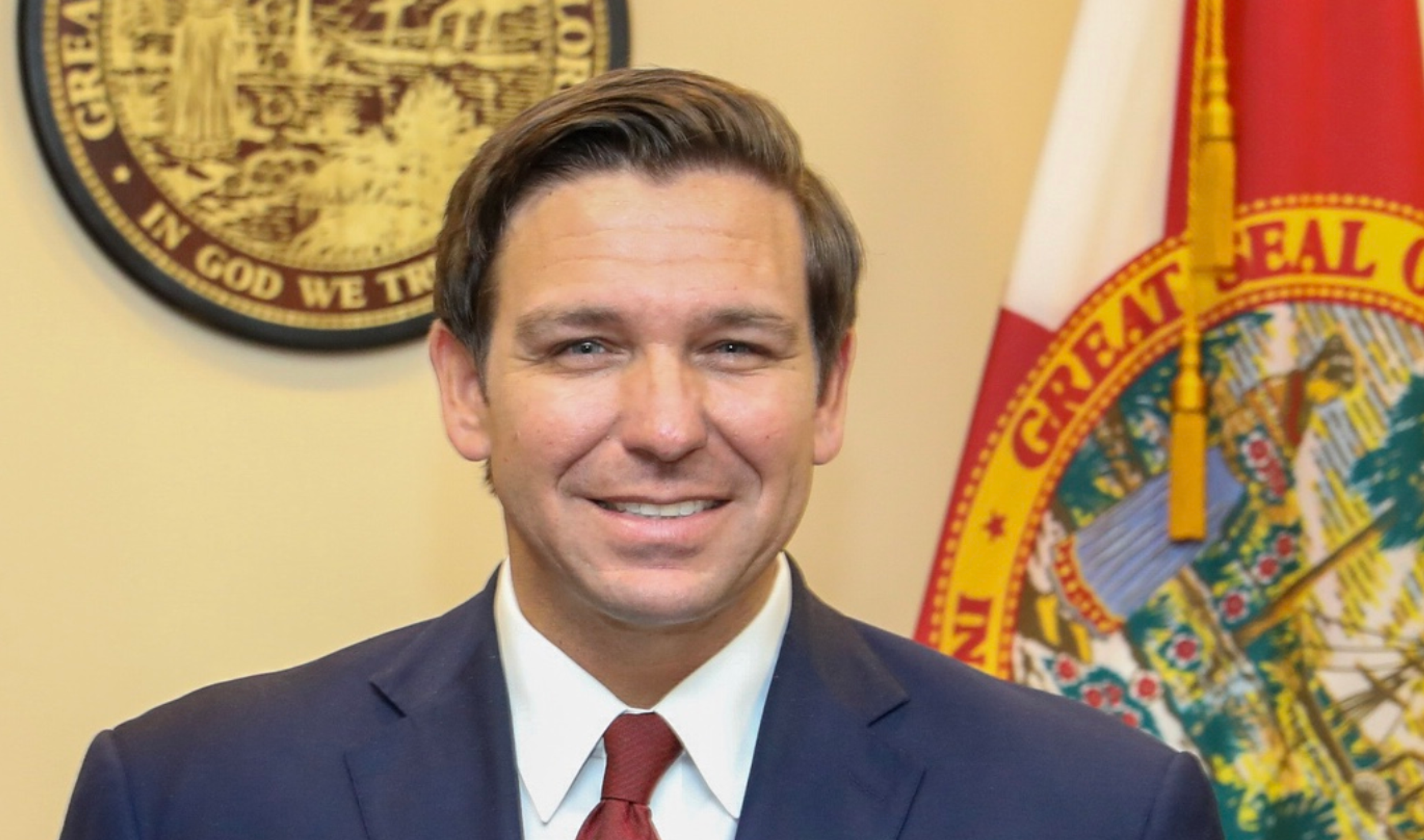
Florida Property Tax Overhaul Targets Wealthy Residents
Key Takeaways
- •DeSantis proposes raising homestead exemptions from $50,000 to $250,000 statewide.
- •The plan would benefit 60% of Florida homeowners initially.
- •Eliminating property taxes creates a $55 billion local government funding gap.
Governor Ron DeSantis has called for a special legislative session to advance his property tax elimination plan, proposing to raise homestead exemptions from $50,000 to $250,000 for primary residences across Florida.
The initial increase would benefit approximately 60 percent of Florida homeowners, with the exemption eventually expanding to $500,000 to cover 92 percent of property owners. Homeowners must maintain Florida residency for at least five years to qualify for the tax relief.
The proposal requires approval from 60 percent of state lawmakers and 60 percent of Florida voters before implementation. DeSantis positioned the initiative as targeting working families while shifting the tax burden to wealthy seasonal residents who own multimillion-dollar properties in areas like Palm Beach.
Eliminating property taxes would create a substantial $55 billion funding gap for local governments, which rely heavily on these revenues to support schools, police departments, fire services, and other essential municipal operations.
To address potential revenue shortfalls, DeSantis outlined plans to establish a trust fund using surplus state revenue, specifically aimed at helping rural counties maintain funding for public safety and municipal services currently financed through property taxes.
This marks the second attempt by the governor to advance property tax reform. During last year's legislative session, DeSantis proposed $1,000 rebates for more than 5.1 million homesteaded properties statewide to offset state-mandated school property taxes while preserving full funding for school districts. The legislature rejected that proposal.
During the most recent regular legislative session, the Florida House of Representatives passed alternative legislation that would eliminate non-school property taxes on homesteaded properties while mandating local governments maintain current funding levels for police, firefighters, and first responders.
Florida joins more than a dozen states currently exploring significant reductions or complete elimination of property taxes as residents face mounting pressure from rising housing costs and inflation. The movement reflects growing frustration among homeowners struggling with increased living expenses.
Property taxes represent one of the largest revenue sources for local governments nationwide, making any substantial reduction a complex policy challenge that requires careful consideration of replacement funding mechanisms.
The special session timing allows lawmakers to focus specifically on this tax reform proposal without competing priorities from the regular legislative calendar, potentially increasing the chances of advancing the measure to voters for final approval.