Miami-Dade Slashes Bus Routes to Save $2 Million
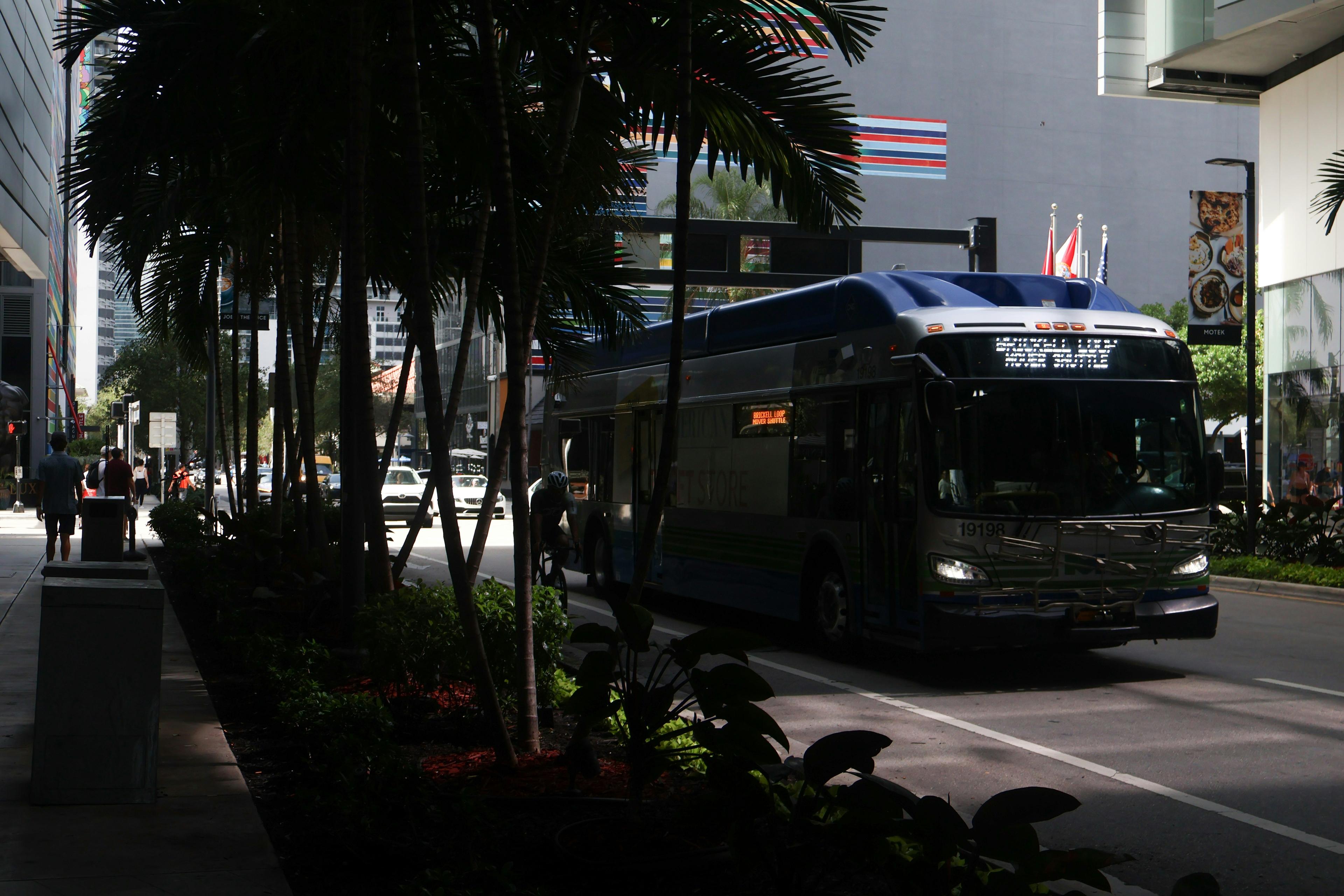
Miami-Dade County prepares to eliminate one bus route and reduce service frequency on three others starting July 20. The changes will generate annual savings of over $2 million despite the system's recent ridership improvements.
Miami-Dade County officials are moving forward with significant changes to the public bus system that will save taxpayers more than $2 million annually while reducing service on multiple routes.
The Transportation Committee will vote this week on eliminating Route 132, which serves the Hialeah Market Tri-Rail connection, due to extremely low ridership averaging just 46 passengers daily. County standards target routes carrying fewer than 15 people per hour for elimination, while Route 132 carries only seven passengers hourly. This single route cut will save $210,000 per year.
Additional modifications will extend Routes 8 and 24 to cover more areas along Coral Way west of 107th Avenue to the Tamiami Station Park-and-Ride facility. However, service frequency on these combined routes will shift from every 30 minutes to hourly intervals. A community meeting in Westchester discussing these changes drew only two residents, who provided positive feedback according to county documents.
Route 37, connecting Airport Station to Douglas Road Station, will see its service interval doubled from 15 minutes to 30 minutes on weekdays. Transportation officials noted the route fails to justify enhanced service with fewer than 10 passengers per trip, despite receiving upgraded frequency under the Better Bus Network redesign.
These adjustments represent continued fine-tuning of the Better Bus Network, which launched in November 2023 as a comprehensive overhaul of Miami-Dade's transit system. The redesign reduced total routes from 92 to 69 while cutting weekday route miles by 17 percent, from 1,175 to 975 miles. The system also increased distances between stops to improve bus speed and boosted frequency on high-traffic routes.
The Better Bus Network initially generated strong ridership growth, with weekday usage rising 5 percent, Saturday ridership jumping 12 percent, and Sunday trips increasing 8 percent. However, the bus system recorded 81.2 million rides last fiscal year, representing an 8.2 percent decline that prompted the current cost-saving measures.
Transportation department records show Metrobus ridership had declined consistently for a decade before rebounding in fiscal year 2023, just prior to the Better Bus Network implementation. The system previously experienced three consecutive years of gains, including a dramatic 50 percent increase in fiscal 2023, though officials attributed much of that growth to improved counting methods using automatic passenger counters rather than traditional farebox revenue tracking.
County commissioners initially requested detailed route-by-route performance reports following mixed public reception of the Better Bus Network. Many riders complained that wider stop spacing and eliminated low-usage routes made reaching employment destinations more difficult. The transportation department has since made multiple adjustments to address service gaps identified through community feedback.
The proposed changes require county commission approval and would take effect July 20, as route modifications are permitted only during specific periods throughout the year.