Mandarin Hotel Implosion Signals Brickell Key Development Shift
The controlled demolition of the 26-year-old Mandarin Hotel on Brickell Key marks a significant moment in Miami's evolving skyline. The rare Sunday morning implosion reflects broader market trends toward luxury high-rise development replacing older residential buildings.
A controlled explosion brought down the former Mandarin Hotel on Brickell Key Sunday morning, marking the end of an era for the iconic Miami property that stood for nearly 26 years.
The demolition required coordination between multiple engineering teams, contractors, and construction workers to safely execute the rare implosion in the heart of Miami's financial district. Controlled demolitions of this scale occur infrequently in urban environments, making the Sunday morning event particularly notable for local observers.
The building's relatively young age of 26 years makes its demolition unusual in Miami's development cycle. Most structures targeted for implosion typically remain standing for several decades longer before facing the wrecking ball, highlighting the rapid pace of change transforming South Florida's premium real estate markets.
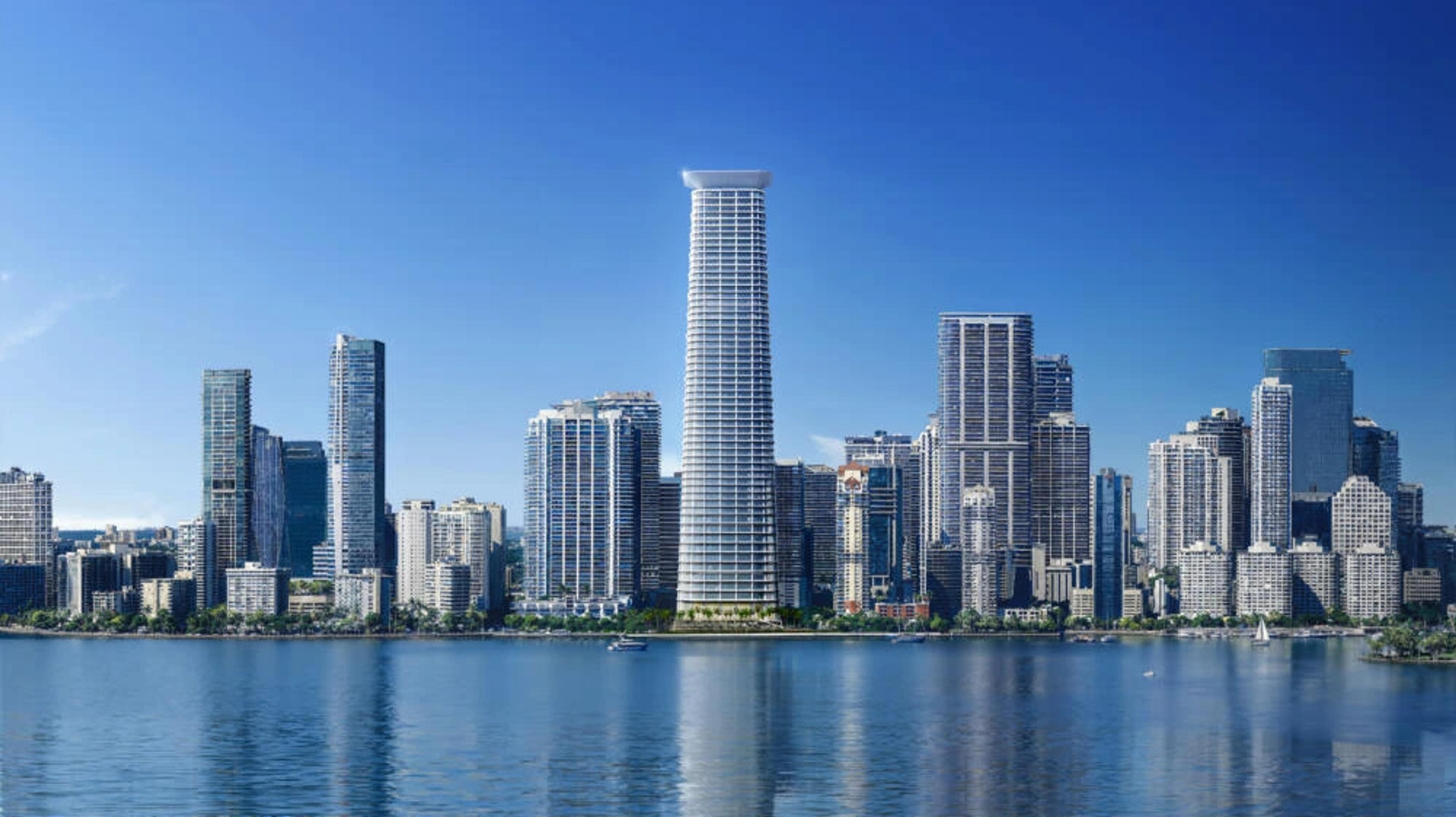
Brickell Key has emerged as ground zero for Miami's luxury condominium boom, with developers pursuing dozens of new high-rise projects across the artificial island and surrounding Brickell corridor. These gleaming towers represent a dramatic shift from the area's previous development pattern, which featured shorter buildings that housed year-round residents and defined the neighborhood's character for decades.
The former hotel site now joins an extensive pipeline of luxury residential developments reshaping Miami's skyline. Property developers are capitalizing on sustained demand for premium housing options, particularly among affluent buyers seeking waterfront locations with proximity to the central business district.
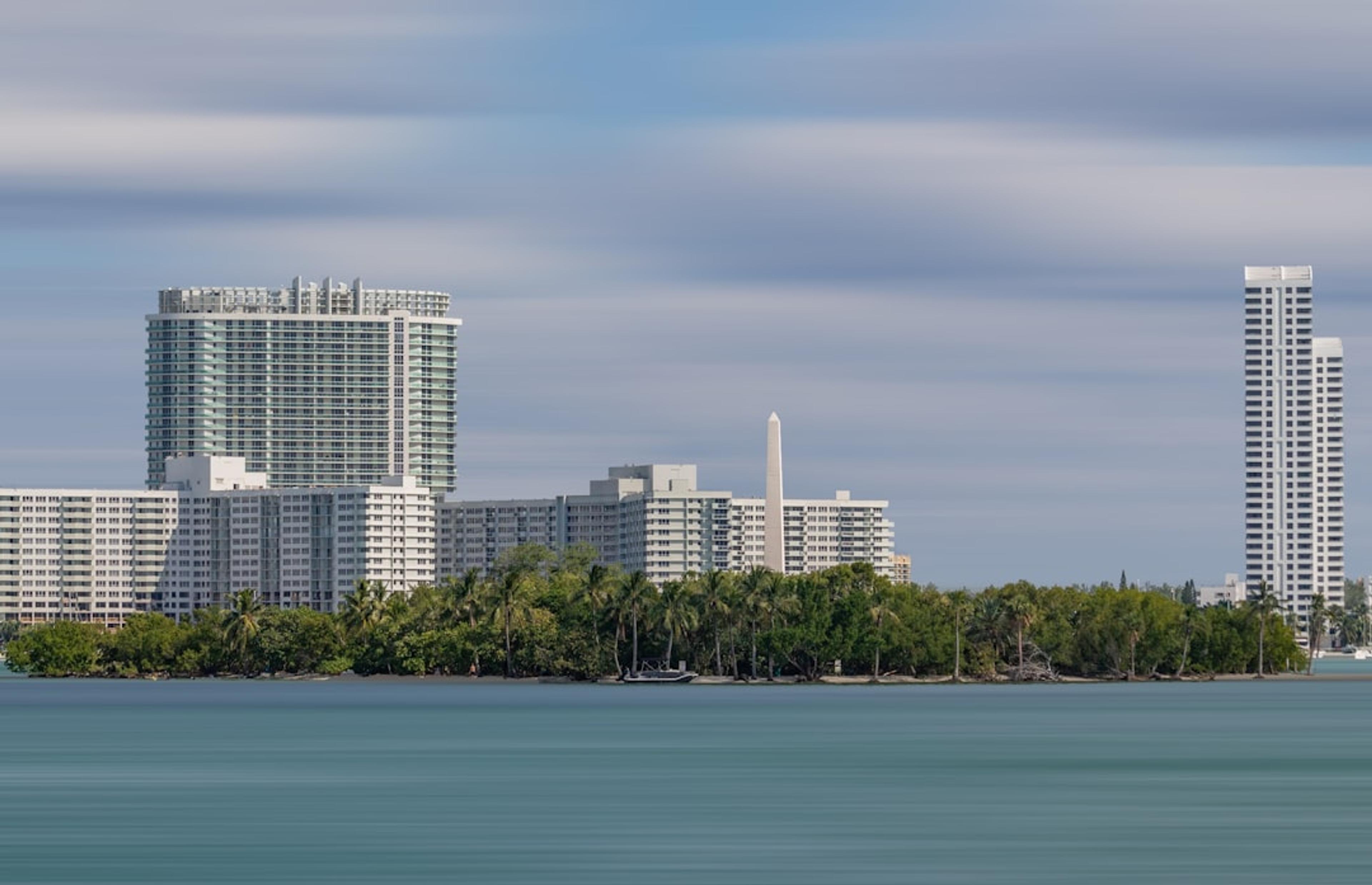
Architectural preservation advocates note the loss of the Mandarin's distinctive design, which contributed to Brickell Key's visual identity since the late 1990s. The building served as a landmark for residents and visitors navigating the island's compact geography, while its hotel operations supported the area's hospitality infrastructure.
Miami's construction industry continues expanding to meet demand from both domestic and international buyers attracted to Florida's favorable tax environment and coastal lifestyle amenities. The Brickell submarket particularly appeals to finance professionals and executives working in nearby office towers, creating sustained absorption for new residential inventory.
Real estate analysts expect the redevelopment trend to accelerate as land values climb and zoning regulations encourage higher density construction. Property owners throughout Brickell and adjacent neighborhoods are evaluating similar redevelopment opportunities, weighing current rental income against potential returns from new luxury projects.
The Mandarin implosion represents broader economic forces reshaping Miami's urban core, where prime waterfront parcels command premium pricing that often makes demolition and rebuilding more profitable than renovation or preservation efforts.