Holocaust Memorial Education Center Draws 5,000 Summer Visitors
Key Takeaways
- •The Holocaust Memorial Miami Beach education center attracted over 5,000 summer visitors.
- •The facility opened in March with USC Shoah Foundation interactive survivor interviews.
- •Educational resources are translated into more than a dozen languages for distribution.
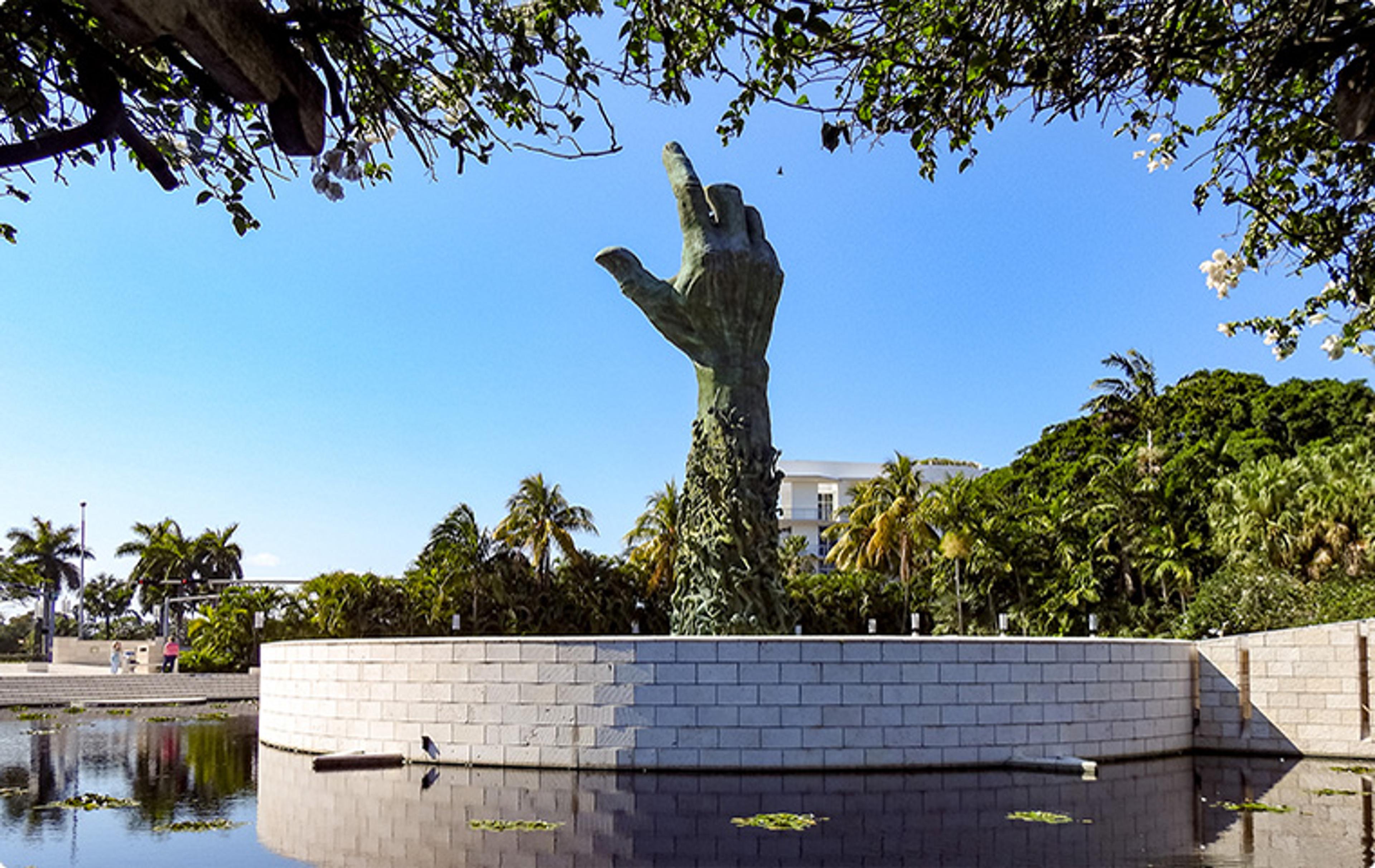
The Holocaust Memorial Miami Beach has welcomed more than 5,000 visitors to its new education center since summer began, marking a strong start for the facility that opened its doors in March. The center represents a significant expansion of the memorial's educational mission, which has served the community since the original memorial opened in 1990.
Sheri Zvi, CEO of the Holocaust Memorial Miami Beach, said the organization anticipates substantial growth in overall visitation this year. The education center was developed to complement the memorial's role as a site of remembrance with comprehensive historical context and educational programming.
The memorial previously welcomed hundreds of thousands of students and visitors while deploying Holocaust survivors and their descendants to schools throughout the community. However, the campus lacked adequate physical space to fully realize its educational potential, making the new center a necessary evolution of the organization's mission.
The facility offers visitors access to digital theaters and interactive survivor interviews created in partnership with the USC Shoah Foundation. Educational content has been translated into more than a dozen languages, allowing the center to serve diverse audiences. The exhibits cover Jewish life before, during, and after the Holocaust, examine the history and consequences of antisemitism, and encourage visitors to apply Holocaust lessons to contemporary issues.
Digital resources play an increasingly critical role as the population of Holocaust survivors capable of sharing first-person testimony continues to decline. The interactive survivor interviews will preserve these voices for future generations, ensuring that visitors can continue hearing authentic accounts even when survivors can no longer appear in person.
The memorial preserves the history of more than 6 million Jews murdered during the Holocaust, including approximately 1.5 million children. The new center enhances this mission through expanded programming including films, guest speakers, special events, extended operating hours, and partnerships with organizations across Miami-Dade County.
The City of Miami Beach has served as an important partner throughout the memorial's three decades of operation. The center also collaborates with both Jewish and non-Jewish community organizations to develop programs, film screenings, and educational dialogues.
Looking ahead, the organization is developing presentations and educational experiences for online distribution in multiple languages. This digital expansion aims to serve communities without local Holocaust memorials or education centers. Educational resources including films, lesson plans, and books are provided free to educators, and interactive survivor interviews are expected to become available for classroom use later this year. The memorial also funds buses for school field trips and arranges speaker visits to schools throughout the region.