Design District Residential Boom Brings 1,000 New Units
Miami's Design District is experiencing a residential development surge with nearly 1,000 units planned across multiple projects. The luxury retail hub, anchored by high-end brands like Chanel and Hermès, is attracting premium residential developers seeking to capitalize on the neighborhood's upscale appeal.
Miami's Design District is set for a major residential transformation with nearly 1,000 housing units currently in the development pipeline, marking a significant shift for the luxury retail-focused neighborhood.
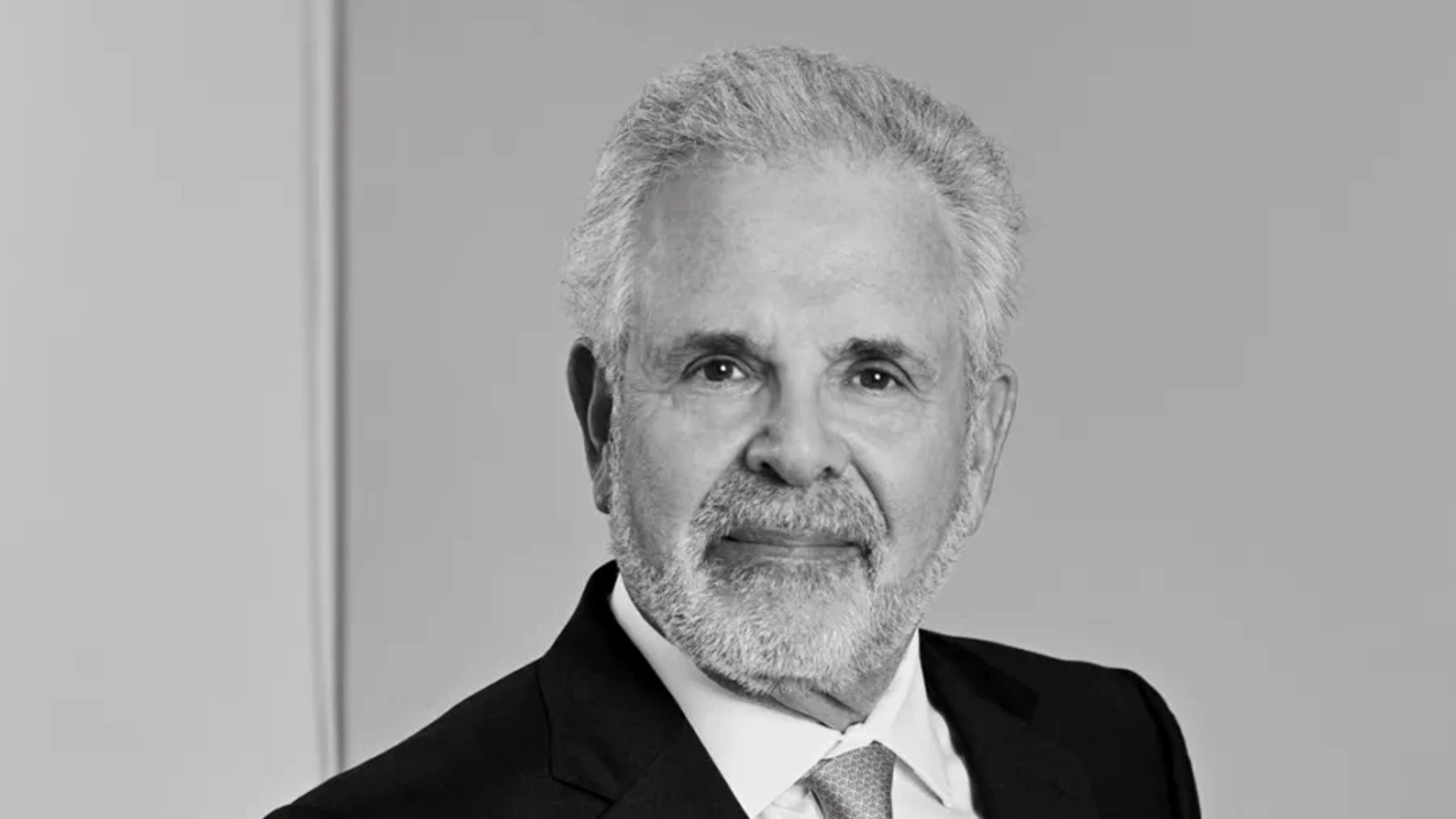
The analysis reveals how developers are capitalizing on the area's concentration of premium brands including Chanel, Bottega Veneta, Hermès, and Gucci to attract affluent residents. What began as Craig Robins' vision for a luxury shopping destination has evolved into a mixed-use district drawing residential investment.
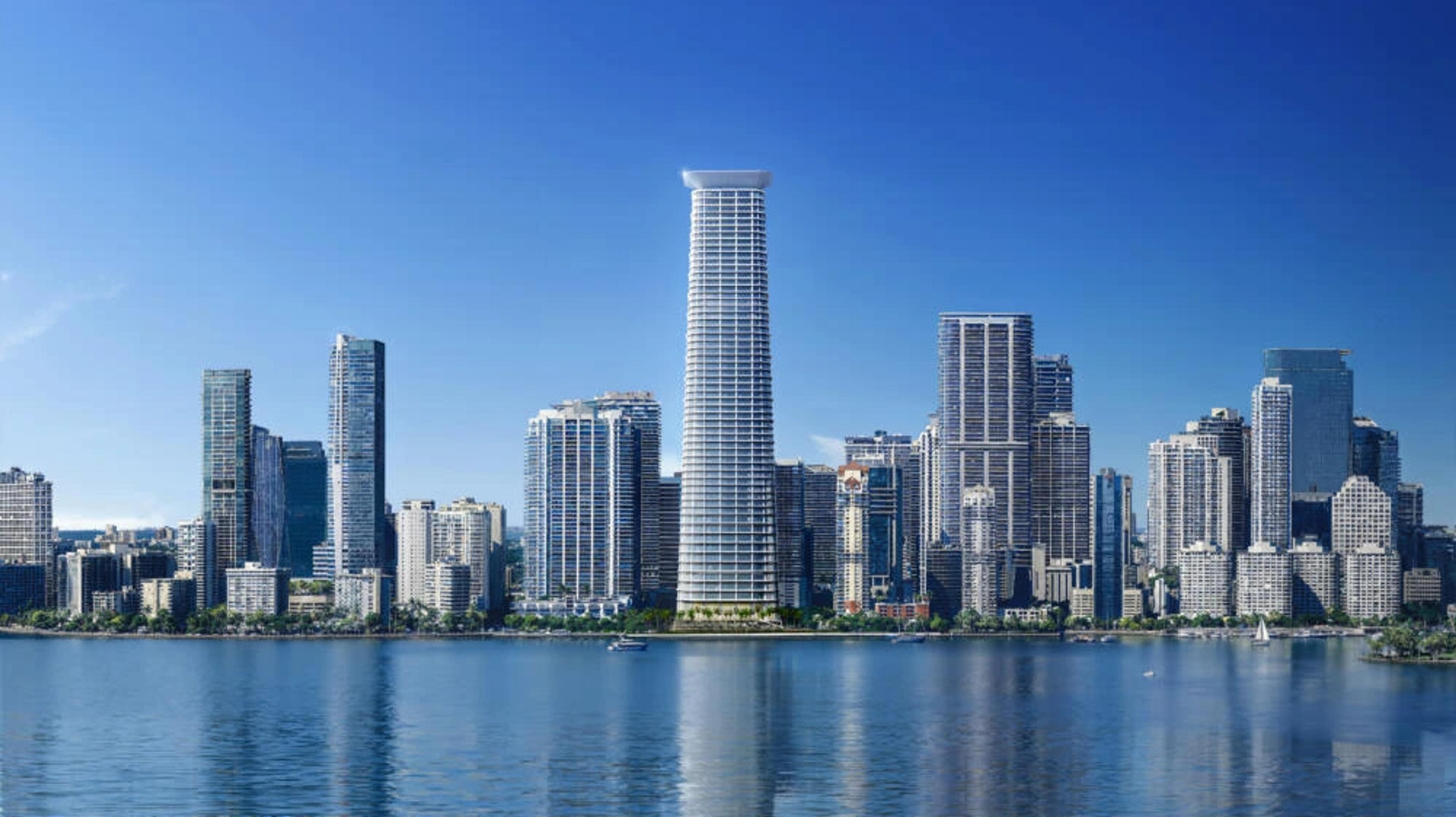
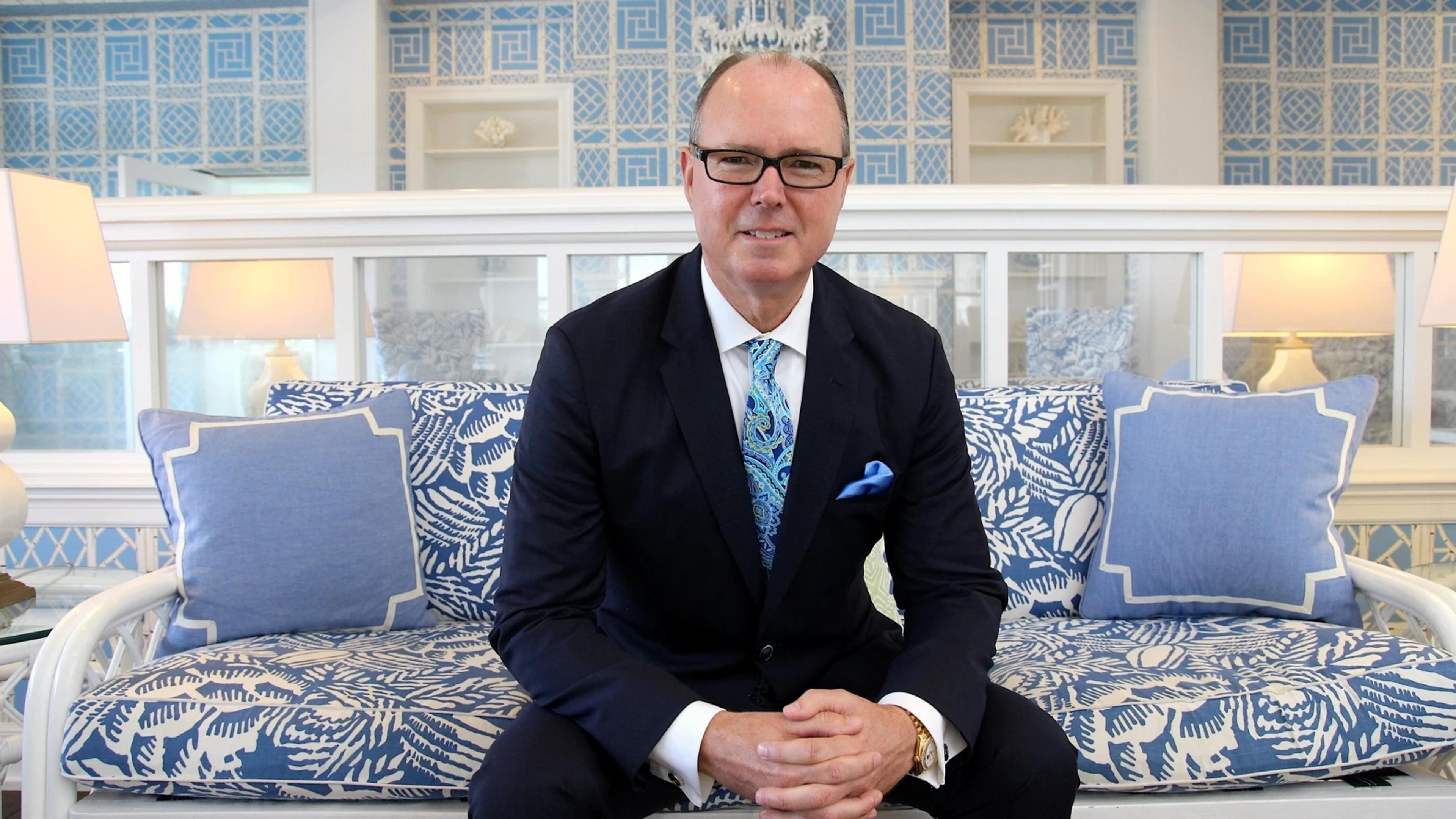
Craig Studnicky, CEO of ISG World, leads sales for one of the marquee projects, the Kempinski Residences Miami Design District. This 132-unit condominium development by DaGrosa Capital Development Partners represents the caliber of residential offerings planned for the area.
Studnicky points to the retail tenant mix as a key factor driving residential interest. The presence of world-renowned luxury brands creates an environment that naturally attracts high-net-worth individuals as potential residents.
The residential development wave reflects broader trends in South Florida's luxury market, where mixed-use districts combining retail, dining, and housing continue gaining momentum. The Design District's transformation follows successful models in other urban areas where luxury retail serves as an anchor for residential communities.
Developers view the neighborhood's established reputation and foot traffic as significant advantages for residential projects. The area's walkable layout and concentration of amenities align with preferences among luxury buyers seeking urban lifestyle options.
The planned residential units span multiple projects at various stages of development and approval. This pipeline represents one of the most significant residential expansions in the Design District's recent history.
Real estate professionals note that the Design District's evolution mirrors similar transformations in other major metropolitan areas where retail districts successfully incorporate residential components. The neighborhood benefits from its central Miami location and established infrastructure supporting both commercial and residential uses.
The residential boom positions the Design District to become a more complete live-work-shop environment rather than solely a retail destination. This diversification could strengthen the area's appeal during different economic cycles while providing developers with multiple revenue streams from their investments in the neighborhood.