
Barry University Expands AI and Emergency Services Programs
Key Takeaways
- •Barry University expects to graduate more than 1,130 emergency services professionals in 2026.
- •Emergency services enrollment has grown by more than 60% annually since 2023.
- •Barry expanded EMT program partnerships from three high schools to 18 statewide.
Barry University is expanding its academic offerings through new artificial intelligence initiatives and a rapidly growing emergency services program, positioning itself to address critical workforce needs across South Florida.
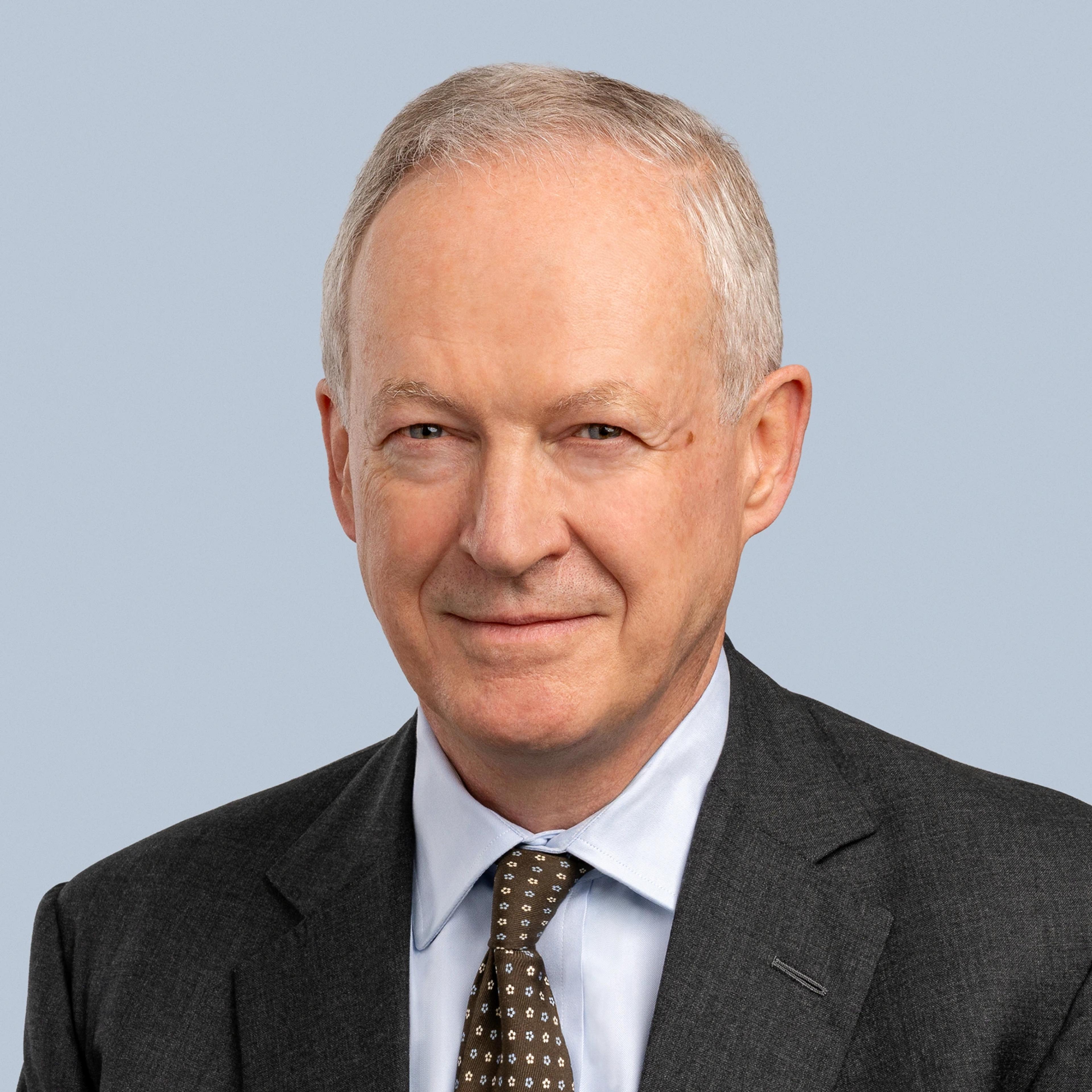
The Miami Shores institution has introduced a university-wide certificate in artificial intelligence available to students across all disciplines. According to President Mike Allen, the program covers AI fundamentals, responsible use and practical applications integrated into fields such as nursing, teacher education, marketing, finance, social work and public administration. The goal is ensuring every graduate can use AI responsibly to improve both their professions and communities.
Barry has extended AI education to high school students through its dual-enrollment program. The course, titled "AI for Good," has gained popularity with high schools throughout Florida participating in the initiative. The university also deployed an AI student success assistant named Adrian, capable of answering questions about financial aid, housing and registration through email or text in 30 languages at any time.
The most dramatic growth has occurred in Barry's Academy of Emergency Services, which prepares students for careers as EMTs, paramedics, firefighters and other emergency professionals. The university projects it will graduate more than 1,130 emergency services professionals in 2026, with enrollment increasing by more than 60% annually since 2023.
Barry has significantly expanded high school partnerships for EMT programs, growing from three participating schools to 18. The program now includes more than 17 high schools in Broward County, with potential capacity to accommodate up to 450 students. Allen said Barry aims to become Florida's largest provider of emergency services professionals.
Health care remains a central focus for the university's strategic development. Barry continues investing in its College of Health Professions and Medical Sciences to address Florida's strong demand for nurses and other medical professionals. Allen emphasized that faculty and deans represent the top of their profession, positioning the university to make significant contributions to meeting critical community needs.
The university launched its School of Mental Health and Social Work this past year with state support. The new school consolidates Barry's programs in social work, counseling and school psychology under one administrative structure. Allen noted the reorganization will allow Barry to expand its role in preparing mental health professionals as demand for those services continues growing throughout Florida.
The strategic initiatives reflect Barry's broader commitment to workforce preparation across sectors experiencing significant professional shortages, from technology and emergency services to health care and mental health counseling.