Aircraft Shortage Delays Miami Airport International Route Expansion
Miami International Airport's plans to establish new direct flights to targeted global destinations face significant delays due to a shortage of long-haul aircraft. County officials expect fleet availability to improve within two to three years.
Miami International Airport's ambitious plans to expand direct international service face a significant obstacle: a critical shortage of long-haul aircraft that county officials say will persist for the next two to three years.
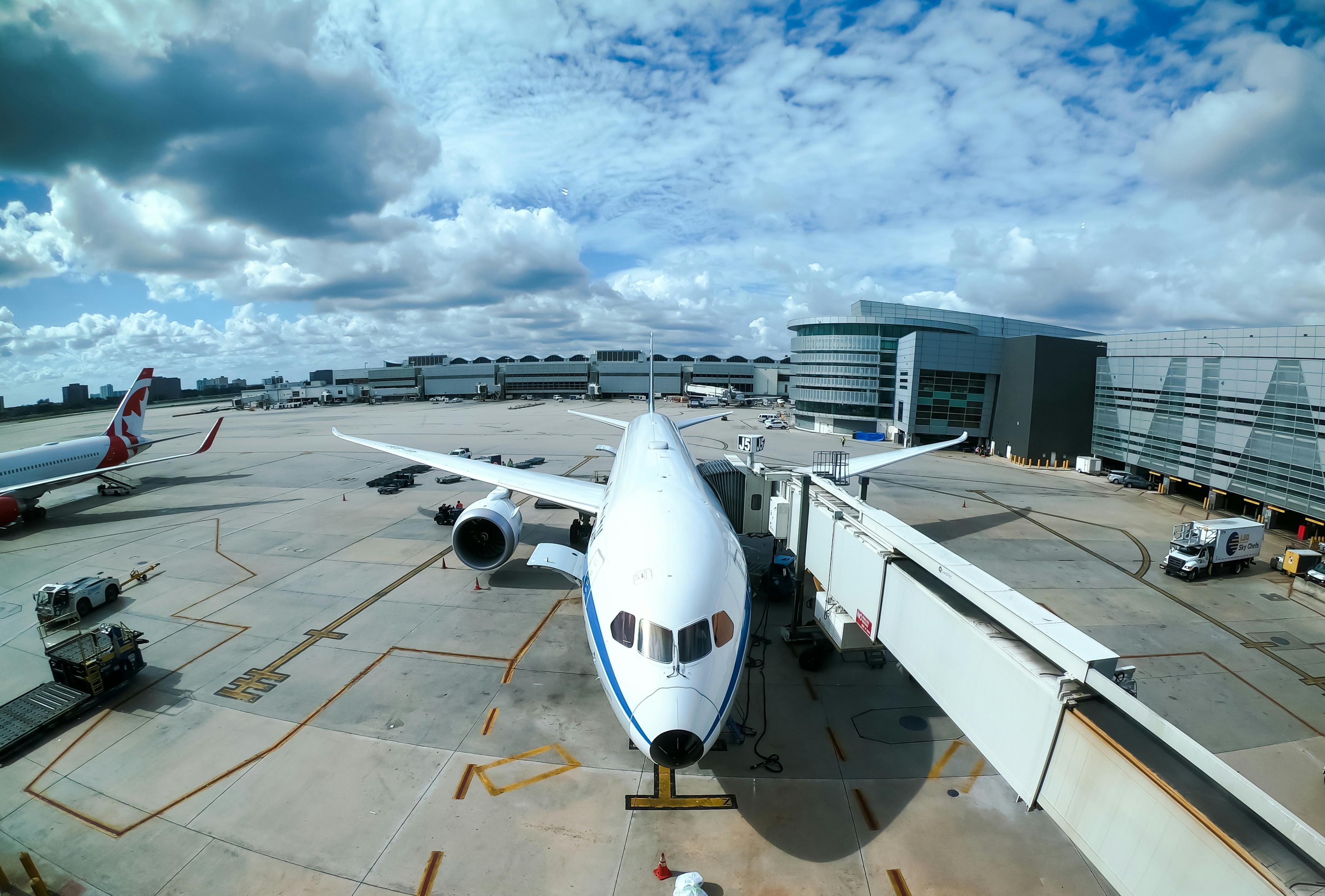
Mayor Daniella Levine Cava outlined this challenge in a recent report to a Miami-Dade County committee, revealing that efforts to establish new direct connections with strategic global markets have encountered this industry-wide constraint. The shortage affects the airport's ability to attract airlines for routes that require wide-body aircraft capable of crossing oceans.
The timing presents a particular challenge for Miami International, which serves as a primary gateway between the United States and Latin America, as well as an increasingly important hub for European and Asian connectivity. The airport has consistently ranked among the busiest in the United States for international passenger traffic, making route expansion a key priority for regional economic development.
According to the mayor's assessment, meaningful relief in aircraft availability is not expected until 2026 or 2027. This timeline reflects broader industry challenges, including production delays at major aircraft manufacturers and supply chain disruptions that have affected the delivery of new wide-body planes to airlines worldwide.
The shortage particularly impacts routes requiring Boeing 787s, Airbus A350s, and similar long-range aircraft that airlines need for transoceanic service. These planes represent significant capital investments for carriers, who must carefully balance route profitability with aircraft availability when making expansion decisions.
Miami International's geographic position makes it an attractive option for airlines seeking to serve multiple markets from a single hub. The airport's location provides efficient connections between North and South America while offering reasonable flight times to European destinations. However, these advantages cannot be fully leveraged without adequate aircraft availability.
County officials continue working with airline partners to identify opportunities for new service as aircraft become available. The airport's strong passenger volumes and revenue performance position it favorably when airlines do have capacity to allocate to new routes.
The aircraft shortage affects airports nationwide, but Miami International's heavy reliance on international service makes the constraint particularly relevant for future growth plans. The airport handles more international freight than any other facility in the United States, demonstrating the region's importance for global trade and travel.
Industry analysts expect the aircraft shortage to ease gradually as manufacturers resolve production issues and deliver planes that have been delayed. Airlines are also expected to receive aircraft from deferred orders placed during the pandemic recovery period.
Until fleet availability improves, Miami International will focus on maximizing utilization of existing routes while maintaining dialogue with airlines about future expansion opportunities. The airport's infrastructure improvements and ongoing terminal enhancements position it to capitalize on increased aircraft availability when market conditions improve.