Tourism Leadership: Kepner Drives Miami's Destination Strategy
Julissa Kepner's leadership of the Greater Miami Convention & Visitors Bureau reflects the region's ambitious approach to capturing global tourism markets. Her strategic vision leverages cultural programming and neighborhood diversity to position Miami-Dade as a premier destination.
The tourism landscape in South Florida continues to evolve under strategic leadership that understands both global trends and local assets. Julissa Kepner's role as chair of the Greater Miami Convention & Visitors Bureau board places her at the center of efforts to maintain Miami-Dade County's competitive edge in the international tourism market.
Kepner has developed a comprehensive approach that recognizes Miami's unique position as both a gateway to Latin America and a distinct American destination. Her strategy emphasizes the region's cultural programming capabilities, understanding that modern travelers seek authentic experiences that go beyond traditional sun-and-sand offerings. This approach acknowledges how Miami's demographic diversity creates opportunities for specialized tourism segments that other destinations struggle to replicate.
The Greater Miami Convention & Visitors Bureau operates in an increasingly competitive environment where destinations worldwide compete for convention business and leisure travelers. Under Kepner's guidance, the organization has focused on leveraging neighborhood authenticity as a differentiating factor. This strategy recognizes that Miami's distinct districts, from the Design District to Little Havana, each offer unique experiences that can attract different visitor segments.
Miami-Dade County's tourism infrastructure has evolved significantly over the past decade, with new hotels, expanded convention facilities, and improved transportation connections. These developments provide the foundation for the strategic positioning that Kepner champions. The region's ability to host major conventions while simultaneously offering diverse leisure experiences creates a competitive advantage in the global tourism marketplace.
The cultural programming emphasis in Kepner's strategy reflects broader trends in tourism where visitors increasingly seek destinations that offer more than accommodation and attractions. Art Basel Miami Beach, for example, has demonstrated how cultural events can drive significant economic impact while enhancing Miami's reputation as a sophisticated destination.
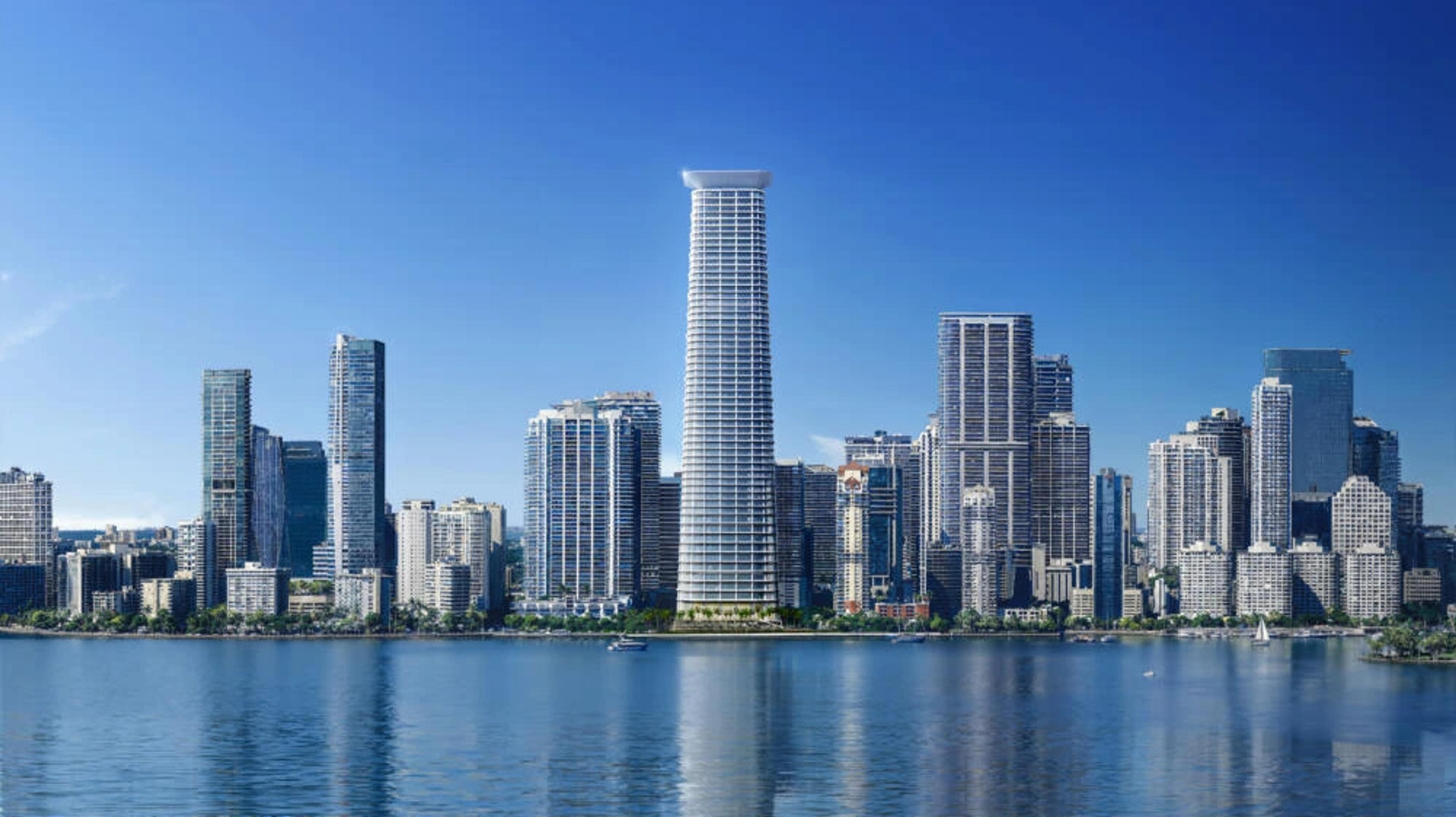
Neighborhood-focused promotion represents another key element of the strategy. Rather than marketing Miami as a single entity, this approach recognizes that different areas appeal to different visitor segments. Business travelers may gravitate toward Brickell's financial district, while cultural tourists might prefer the Wynwood arts scene or the historic appeal of Coral Gables.
The convention and visitors bureau's work under Kepner's leadership occurs within Miami-Dade County's broader economic development context. Tourism remains one of the region's largest economic drivers, supporting numerous industries from hospitality to retail. The strategic positioning of Miami as a premier destination directly impacts job creation and business development across multiple sectors.
Success in destination marketing requires understanding both visitor motivations and competitive positioning. Kepner's approach suggests recognition that Miami must offer compelling reasons for visitors to choose the region over other international destinations that may offer similar climate or amenities. The emphasis on cultural authenticity and neighborhood diversity provides those differentiating factors.
The future of Miami's tourism industry depends on maintaining relevance in changing global markets while building on established strengths. Kepner's leadership of the Greater Miami Convention & Visitors Bureau positions the region to capitalize on these opportunities while addressing the challenges inherent in destination marketing.