Miami Office Leasing Surges 45% in Second Quarter
Key Takeaways
- •Miami-Dade office leasing activity jumped nearly 45% in second quarter 2024.
- •Brickell neighborhood remains the anchor for Miami's financial district office demand.
- •South Florida office market outperforms many comparable metros amid sustained population growth.
Miami-Dade County's office market demonstrated remarkable strength in the second quarter of 2024, with leasing activity surging nearly 45% compared to the prior period. The substantial increase underscores the region's appeal to businesses seeking prime workspace in one of the nation's fastest-growing metropolitan areas.
The second quarter performance reflects growing confidence among companies expanding or relocating to South Florida. Miami has emerged as a major destination for financial services firms, technology companies, and corporate headquarters over the past several years, driven by favorable tax policies, quality of life advantages, and improved infrastructure.
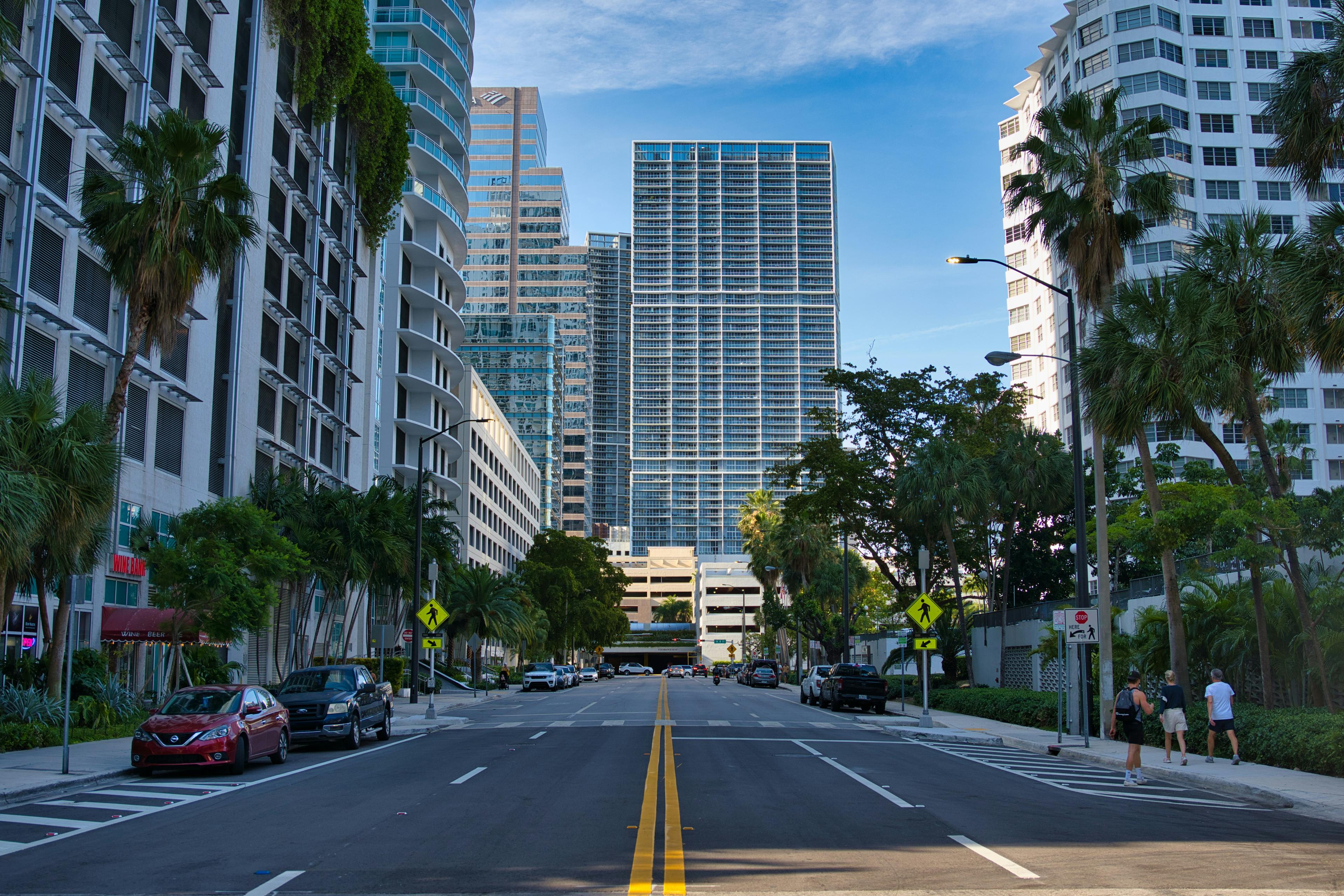
The Brickell neighborhood, Miami's primary financial district, continues to anchor much of the region's office activity. The area's concentration of Class A buildings and proximity to international banking operations makes it particularly attractive to professional services firms and investment management companies.
South Florida's office market has outperformed many comparable metropolitan areas as businesses reassess their real estate strategies in the post-pandemic environment. While some major markets continue to grapple with elevated vacancy rates and declining demand, Miami has benefited from sustained population growth and an influx of high-earning professionals.
The robust leasing activity comes as developers continue to add modern office inventory to the market. New construction projects incorporate amenities and flexible floor plans designed to meet evolving tenant preferences, including enhanced air filtration systems, outdoor terraces, and collaborative workspaces.
Miami's position as a gateway to Latin America provides additional competitive advantages for companies with international operations. The city's bilingual workforce and established trade connections make it a logical hub for businesses serving markets throughout the Americas.
The second quarter figures also reflect the region's economic diversification. While tourism and hospitality remain important sectors, Miami has successfully attracted companies in financial technology, private equity, venture capital, and professional services. This broader economic base provides stability and supports sustained demand for quality office space.
Landlords in prime locations have maintained pricing power despite broader market uncertainty. Flight to quality trends continue to favor newer buildings with superior amenities and locations, while older properties face greater pressure to renovate or reposition to remain competitive.
The strong leasing performance provides optimism for the remainder of 2024, though market participants remain attentive to broader economic conditions including interest rates and lending standards. Miami's office market appears well positioned to continue attracting tenants as companies seek dynamic environments that help them recruit and retain talent in an increasingly competitive labor market.