South Florida HR Leaders Navigate AI Integration Challenges
Key Takeaways
- •Amanda Rassi led nearly two dozen HR professionals at StevenDouglas headquarters.
- •Most participating companies have implemented AI tools in varying degrees.
- •Elizabeth Albalat noted 50-year-old companies may need less AI than startups.
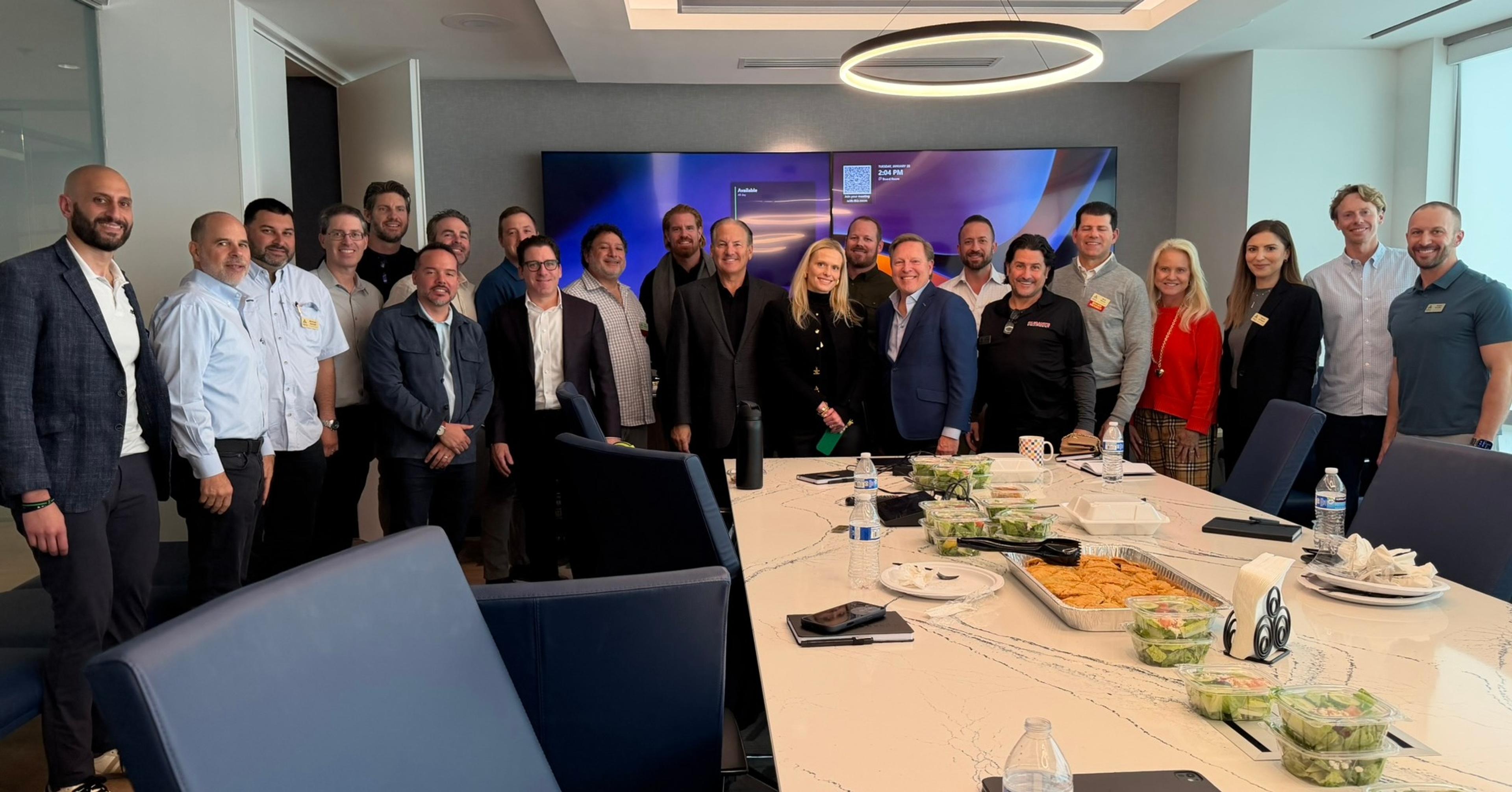
Nearly two dozen senior human resources executives from across South Florida convened at the Sunrise headquarters of StevenDouglas to examine how artificial intelligence is reshaping workplace management strategies.
Amanda Rassi, vice president of HR search at StevenDouglas, facilitated the discussion that brought together professionals from finance, hospitality, service, development, manufacturing and other industries. The presentation itself demonstrated AI's capabilities, as Rassi revealed that artificial intelligence helped craft the entire session, including thoughtful questions about workplace implementation.
The gathering exposed a wide spectrum of AI adoption among participating companies. While most organizations represented have introduced AI tools in some capacity, the depth of integration varies significantly. Some businesses have formally embedded AI into their operational framework as essential infrastructure, while others remain in preliminary testing phases.
Participants emphasized that human oversight remains crucial despite AI's growing capabilities. Critical thinking skills among HR professionals cannot be replaced by automated systems, they noted. Training employees on proper AI usage within established company parameters emerged as a priority concern for leaders navigating this technological shift.
The discussion highlighted the importance of maintaining human-centered approaches even as AI tools become more sophisticated. Attendees identified specific applications where AI adds value, such as translating complex technical information into accessible formats for different audiences and enhancing coaching programs. However, they stressed that people must remain the primary focus in human resources functions.
Elizabeth Albalat from Integra offered perspective on strategic AI implementation, noting that utility depends on specific organizational needs. She contrasted her experience at a publicly held company celebrating its 50th anniversary, which found limited need for AI integration, with high-growth startups where such technology proves more valuable.
The consensus among participants reflected AI's permanent presence in the business environment while reinforcing its role as a supportive tool rather than a replacement for human judgment. The technology cannot eliminate the fundamental human element that defines effective human resources management.
South Florida's diverse business community continues adapting to technological advances while preserving the personal relationships and critical thinking that drive successful organizations. The roundtable demonstrated how regional business leaders are thoughtfully approaching AI integration without losing sight of human-centered values.