
Court Dismisses Fontainebleau Condo Owners' Rental Lawsuit
Key Takeaways
- •Judge Peter R. Lopez dismissed six condo owners' lawsuit against Fontainebleau Miami Beach.
- •674 owners participate in Fontainebleau's rental program across 748 total units.
- •Settlement agreements spanning 20 years were deemed unenforceable by the court.
A Miami-Dade judge has dismissed a lawsuit filed by condominium owners at the Fontainebleau Miami Beach resort who challenged new restrictions on short-term rental operations.
Judge Peter R. Lopez ruled that six unit owners from the Tresor and Sorrento condo-hotel buildings lack legal standing to sue the resort and two affiliated companies. The decision appears to stem from the condo associations' failure to incorporate settlement agreements into their official governing documents, effectively rendering the agreements unenforceable.
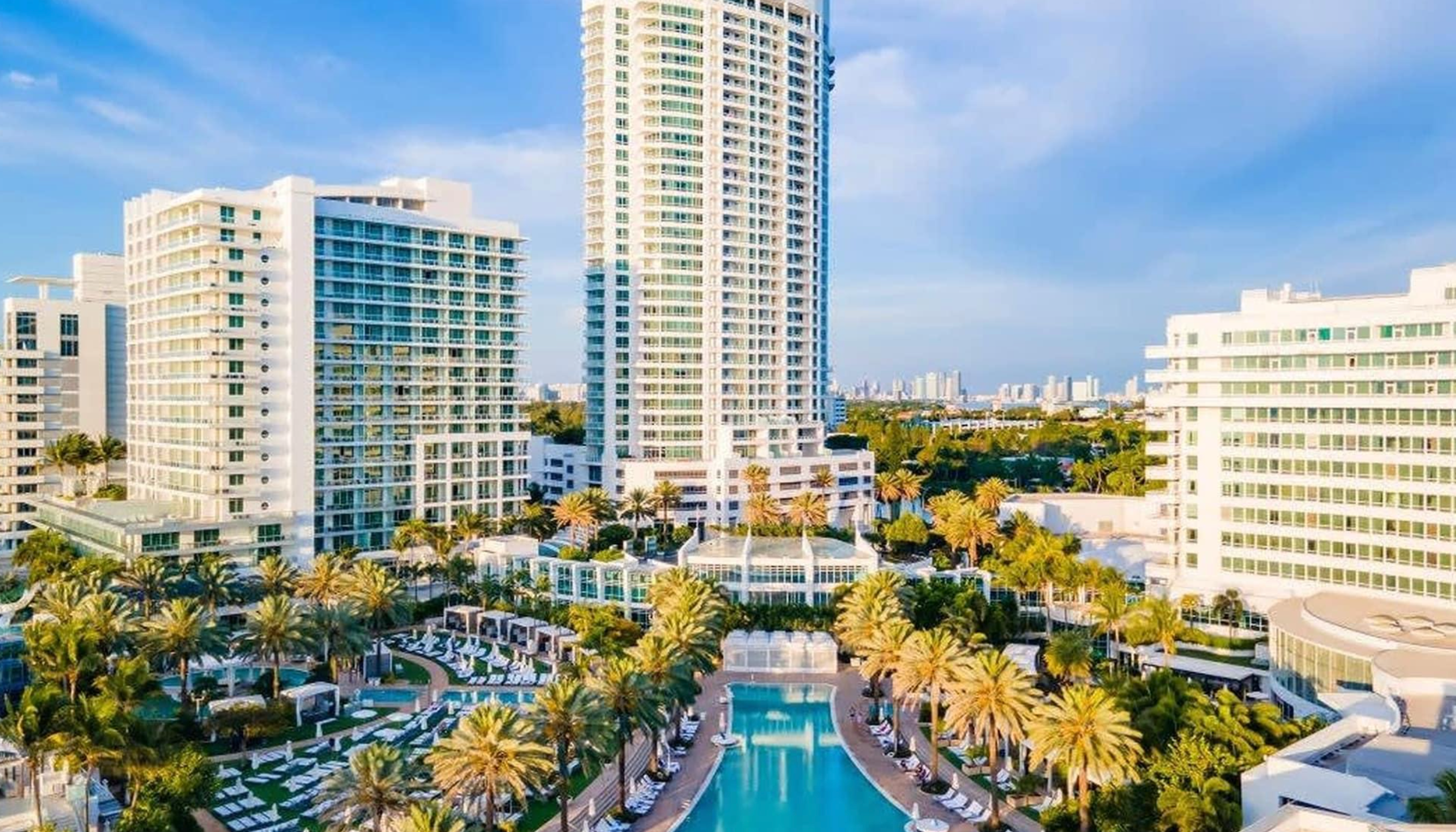
The lawsuit, filed in March, targeted Jeffrey Soffer's Aventura-based Fontainebleau Development, which owns the historic 1,504-room hotel at 4441 Collins Avenue. The disputed Tresor and Sorrento buildings, located at 4401 and 4391 Collins Avenue respectively, contain 748 combined units.
Currently, approximately 674 owners participate in the resort's managed rental program, allowing the Fontainebleau to lease their units directly. The remaining owners operate independently through platforms like VRBO, which became the focus of the legal dispute.
The plaintiffs argued that new regulations violated longstanding settlement agreements permitting independent owners to rent their units without interference, restrictions, limitations, fees, or costs imposed by the hotel. These settlements had governed operations for two decades without challenge.
However, Fontainebleau's legal team successfully argued that the agreements carry no legal weight because neither the Tresor nor Sorrento condo associations formally voted to incorporate the settlements into their declarations. This technical oversight proved decisive in the court's ruling.
Matthew Estevez, representing the condo associations, expressed surprise at the outcome, noting that both parties had abided by the settlement terms for 20 years. The unexpected ruling forces plaintiffs to reconsider their legal strategy from the beginning.
The disputed regulations require independent rental operators to maintain physical presence or use approved agents during guest check-ins, pay higher housekeeping costs, and obtain approval before using the Fontainebleau name in marketing materials. The owners' emergency motion to halt these requirements was also unsuccessful.
Fontainebleau maintains these rules protect staff and guest safety, while clarifying that non-program participants are exempt from the additional housekeeping fees.
Sean Burstyn, the resort's attorney, suggested that future condo-hotel developments should incorporate similar litigation arguments into their founding documents. This recommendation carries particular relevance across South Florida, where condo-hotels represent a prevalent mixed-use development model, often featuring luxury brands like W Hotel, Four Seasons, Carillon, and Mr. C.
The ruling establishes important precedent for the region's hospitality sector, potentially influencing how developers structure condo-hotel agreements and operational frameworks in future projects.