University of Miami Plans Massive Coral Gables Campus Transformation
The University of Miami is embarking on a comprehensive campus expansion featuring new student housing, its first full-service hospital on the main campus, and a seven-story football operations center. The transformation is backed by $500 million in county-approved revenue bonds as part of the university's 10-year strategic plan.
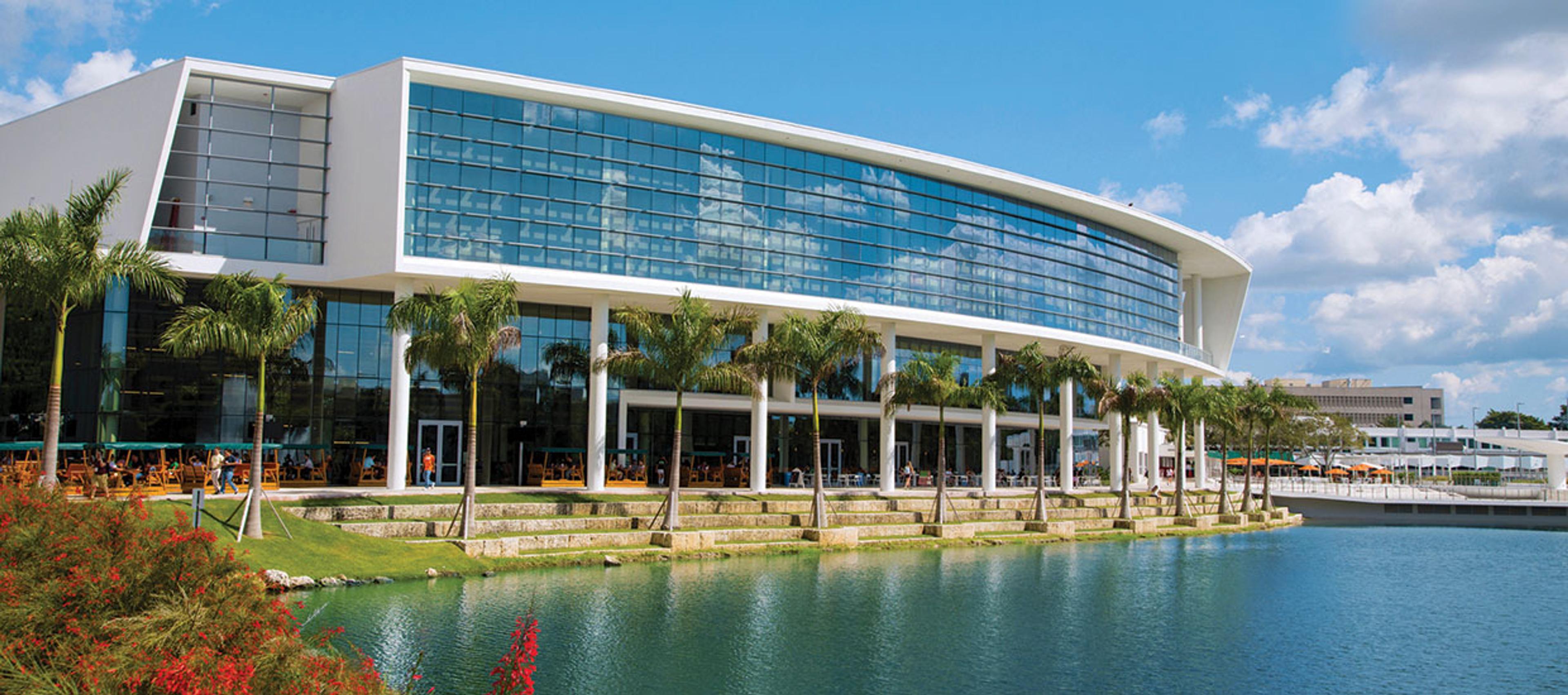
The University of Miami is launching an ambitious transformation of its Coral Gables campus as it enters its second century, with plans that include new residential facilities, a full-service hospital, and expanded athletic infrastructure backed by substantial public financing.
Miami-Dade County commissioners approved $500 million in revenue bonds in March to support capital projects across five University of Miami locations, including the main Coral Gables campus, the medical campus, the Rosenstiel School on Virginia Key, and UHealth facilities in Doral and North Miami.
The centerpiece of student life improvements is Gables Village, a massive 573,804-square-foot residential complex that will replace the existing Mahoney-Pearson Residential College after its scheduled demolition this summer. The project will feature two multistory towers containing 1,458 beds, primarily private single rooms, along with study lounges, classrooms, recreational spaces, and a 700-seat dining hall. Construction is expected to finish by mid-2029.
This residential expansion follows the successful completion of Centennial Village in 2024, which replaced Stanford and Hecht residential colleges and added 881 beds for first-year students. Additional phases of that project will continue through 2026, demonstrating the university's commitment to modernizing student housing while maintaining continuous availability.
Perhaps the most significant long-term development involves establishing the university's first full-service hospital on the Coral Gables campus. Currently under review by the City of Coral Gables Development Review Committee, the facility would dramatically expand healthcare services beyond the existing Lennar Foundation Medical Center, which operates as an outpatient facility.
The proposed hospital site sits between the University Metrorail Station and the Watsco Center, strategically positioned near major transportation infrastructure. The facility would provide inpatient, outpatient, and emergency care services directly on the main academic campus, representing a fundamental shift in how the university integrates medical services with its educational mission.
To accommodate this expansion, university officials are seeking significant zoning modifications, including a 30% increase in allowable building area on campus, expanded campus boundaries along Ponce de Leon Boulevard, and increased retail allowances within campus development zones. These changes would provide greater density and flexibility for future academic and medical construction projects.
The comprehensive development strategy stems from the university's "Roadmap to Our New Century," a strategic plan unveiled during its centennial celebration. Founded in 1925, the institution marked its 100th anniversary in 2025 and used the milestone to establish goals for advancing research capabilities, healthcare services, student life, and global engagement over the next decade.
University leaders have positioned this roadmap as a framework for geographic and disciplinary expansion beyond South Florida, reflecting broader ambitions for institutional growth and national prominence in higher education and medical research.