Miami Proposes Building Fees to Replace Property Taxes
Commissioner Ralph Rosado is leading an effort to authorize local governments to use building fee revenue for general operations. The proposal aims to provide fiscal flexibility as Florida continues exploring property tax elimination measures.
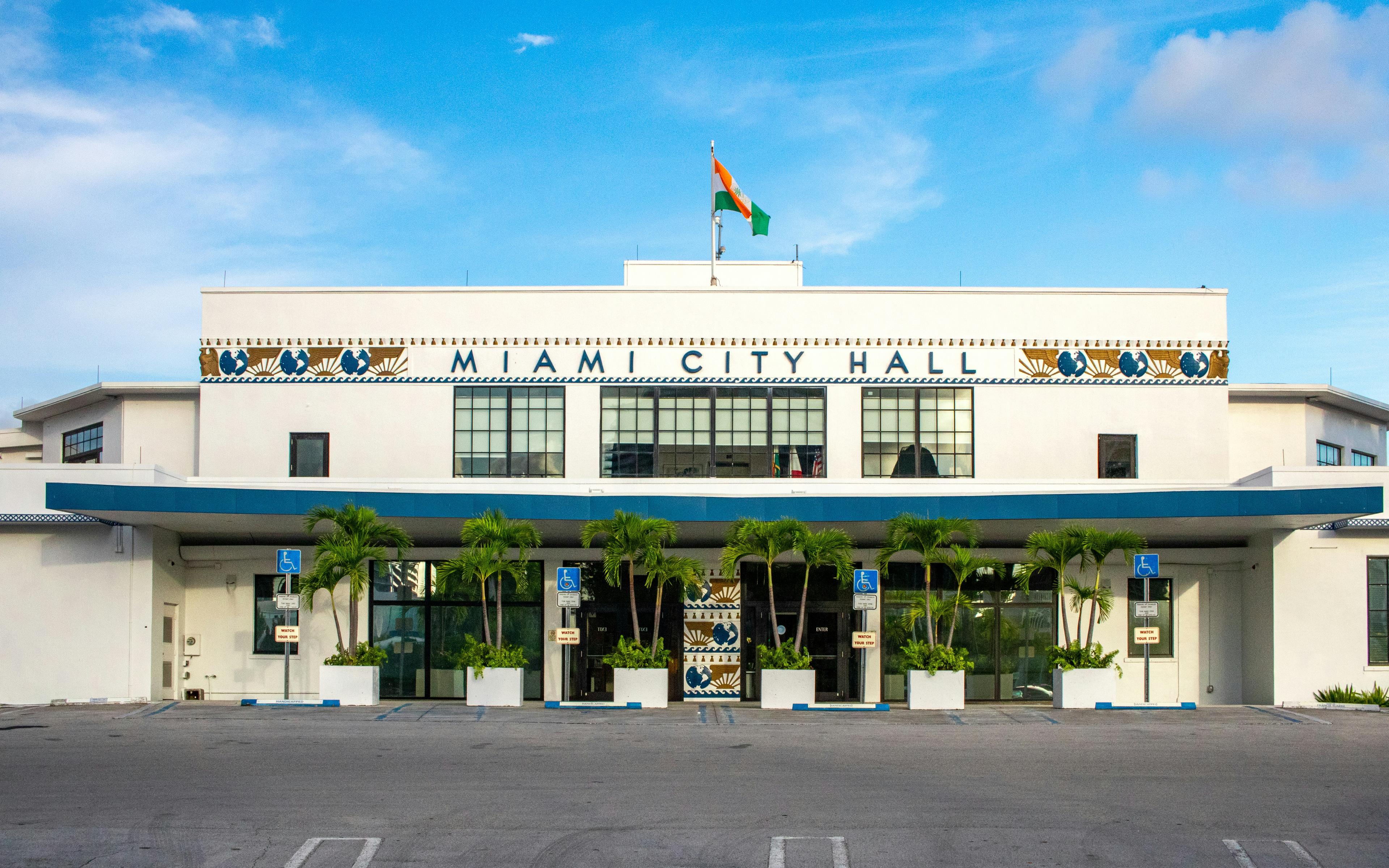
Miami is preparing to request state authorization for a fundamental shift in municipal financing that could reshape how Florida cities fund their operations. Commissioner Ralph Rosado will present a resolution to the city commission on April 23 urging Governor Ron DeSantis and state legislators to allow local governments to redirect building fee revenue toward general operating expenses.
The proposal emerges as Florida lawmakers continue advancing various property tax relief measures that could significantly impact municipal budgets statewide. Earlier this year, the Florida House passed legislation by an 80 to 30 margin that would have gradually eliminated non-school property taxes on homestead properties over 10 years starting in 2027. That measure required 60% voter approval and would have increased homestead exemptions by $100,000 annually until reaching full exemption by 2037.
While the House proposal stalled in the Senate Appropriations Committee in March, state officials continue exploring alternative approaches to property tax restructuring and reduction. The uncertainty surrounding these potential changes has prompted Miami officials to seek proactive solutions for maintaining essential service funding.
Currently, Florida law restricts building fees to covering direct costs associated with permitting, inspections, and Florida Building Code enforcement. Miami's resolution argues that removing this restriction would provide cities with a legal mechanism to offset potential property tax revenue losses while preserving critical services including public safety, infrastructure maintenance, and emergency response capabilities.
Property taxes represent the primary revenue source for Florida counties, cities, and school districts through the ad valorem tax system. Any significant reduction or elimination of these taxes would require municipalities to identify alternative funding streams to maintain current service levels and operational capacity.
Rosado's resolution extends beyond Miami's immediate needs, calling on other municipalities and counties throughout Florida to adopt similar measures. This coordinated approach could demonstrate widespread local government support for expanded building fee authority when presented to state leadership.
The timing reflects growing pressure on local governments to prepare for potential fiscal changes while property tax reform remains active in legislative discussions. Building fees currently generate substantial revenue for many Florida municipalities through ongoing construction and development activity, particularly in high-growth markets like South Florida.
If approved by the Miami City Commission, the resolution will be transmitted to Governor DeSantis, legislative leaders, and other key state officials. The proposal represents one of several strategies local governments are considering to maintain fiscal stability amid evolving state tax policy.
The broader implications extend beyond Miami, as similar challenges face municipalities across Florida that depend heavily on property tax revenue for essential operations. Success in gaining state approval could establish a precedent for other cities seeking alternative revenue mechanisms in an environment of potential property tax reform.